Stop Fighting the Lag in Your Warming Displays
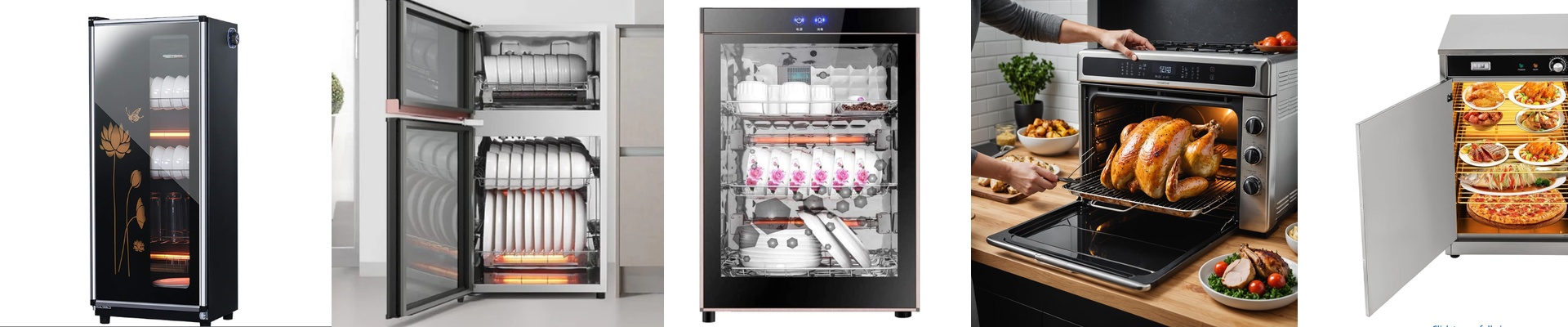
If you’ve ever run a warming display that clicks on and off every few seconds, you know the struggle. There’s this annoying gap—a thermal lag—where the heater just can’t keep up. You end up with these temperature dips that mess with your product consistency. It’s frustrating. We fixed this by switching to a specific kind of ceramic infrared tech. We call it “second-level response,” but in plain English? It just means the heat hits the food almost the instant the power kicks in. Why it actually works Most heaters are just too bulky. Think of a heavy cast-iron skillet; it takes forever to get hot. Our ceramic elements are the opposite. They have low thermal mass and high emissivity. Basically, instead of the heater “soaking” in heat before it shares it, the energy shoots straight to the surface. We dialed in the filament density so that the moment you flip the switch, the heat is there. No waiting around. Dealing with the “On-Off” Grind Here is the problem with standard lamps: they hate being switched on and off constantly. All that expanding and contracting causes thermal shock, and eventually, they just crack and die. We used a reinforced ceramic matrix to solve that. It can handle those rapid temperature swings without breaking a sweat. You can push the duty cycle as hard as you need to, and the temperature stays right where you want it. A few things to watch out for Now, there’s a trade-off. Because these heaters react so fast, they pull a lot of power in a short window. If you’re dropping these into an old display cabinet,**please check your relays.**If you’re using cheap mechanical ones, they’ll likely weld shut under the pressure of these rapid cycles. Do yourself a favor and use solid-state relays (SSRs). They can actually keep up with the speed of the ceramic. Getting it installed The good news is that these are drop-in replacements. You don’t have to tear apart your chassis or redesign your whole setup. Just one tip: keep an eye on your airflow. Make sure the heat isn’t pooling around your electronics bay, and you’re good to go.