
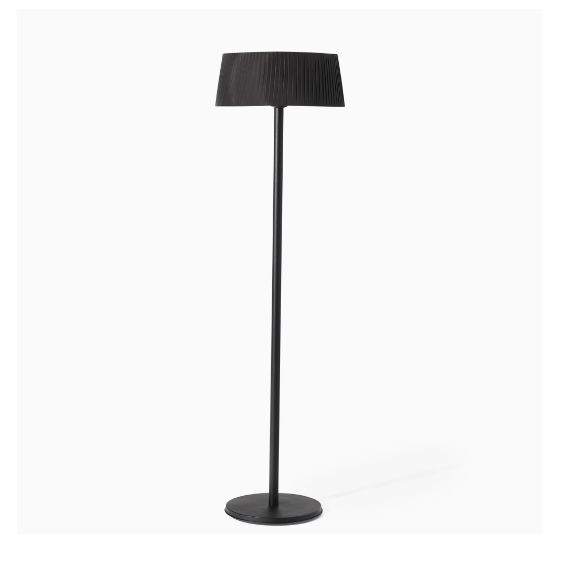
Making Outdoor Spaces Actually Warm
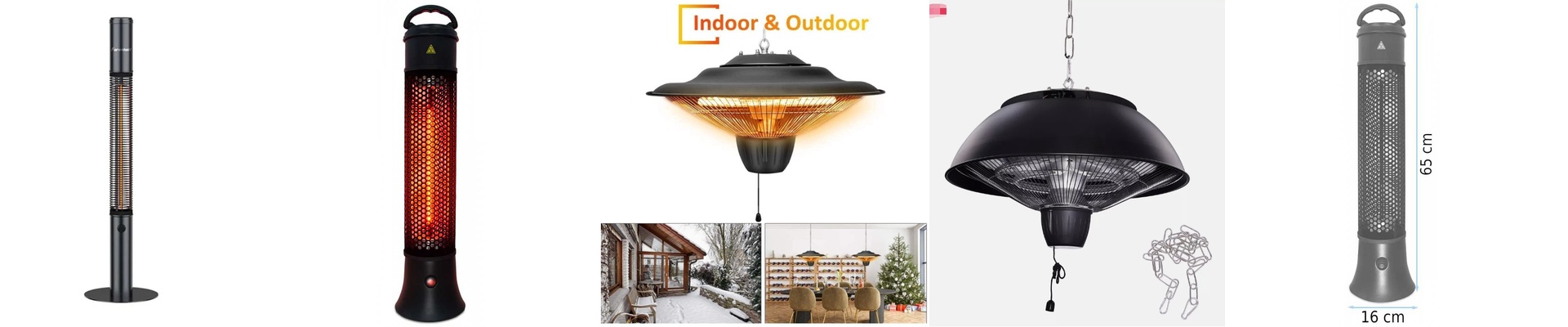
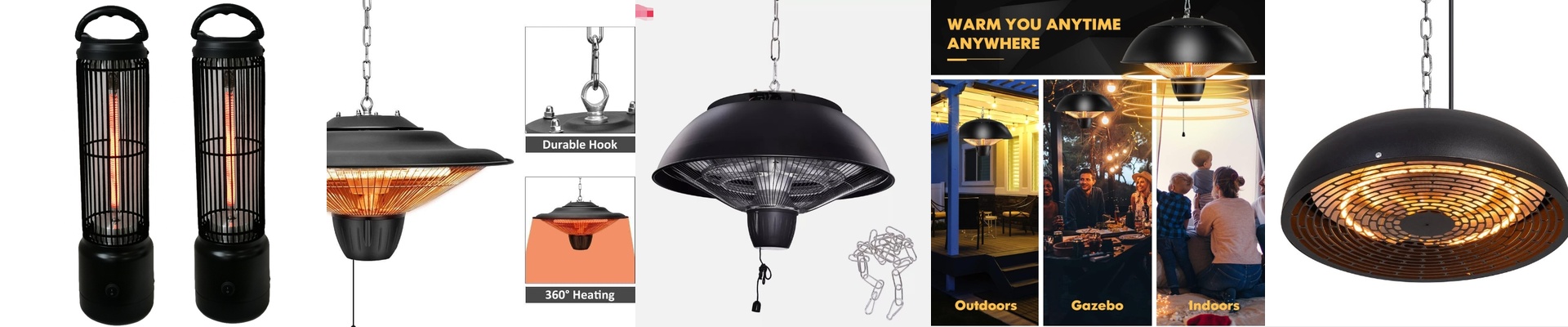
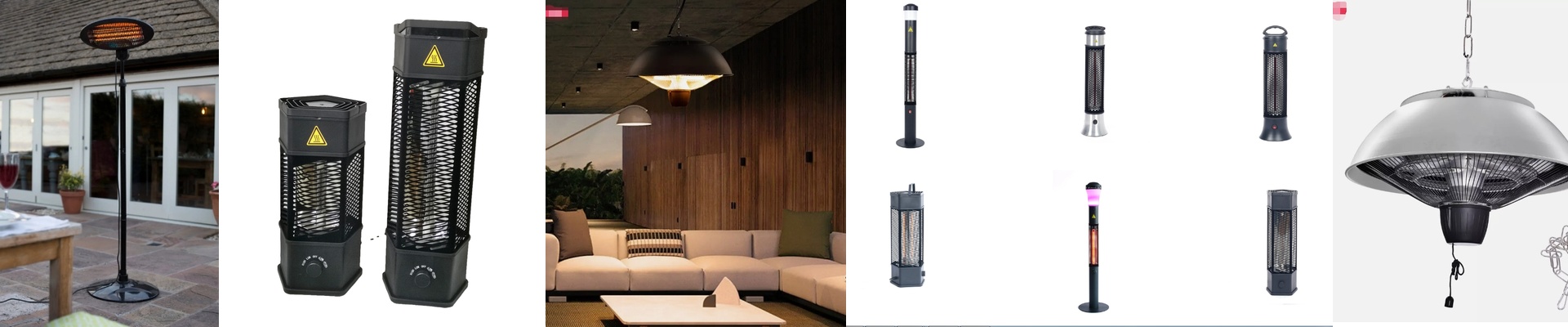
Ever tried heating a nightclub patio or an outdoor changing room? It’s a nightmare. You turn on a heater, but the warm air just floats away into the night sky the second it’s created. You’re basically trying to heat the entire outdoors, which is a losing battle. To get that cozy, high-end feel without waiting an hour, we use shortwave infrared (IR). Here is the secret: IR doesn’t bother heating the air. Instead, it beams energy straight to the people and the furniture. It’s like stepping into a patch of sunlight on a winter day. You feel it immediately. The magic of instant heat We go with shortwave emitters because they’re fast. Like, really fast. The moment you flip the switch, the filament hits its peak temperature. In a freezing changing area, you’ll feel the warmth in under ten seconds. We wrap the filaments in quartz glass to keep that heat tight and focused exactly where you need it, rather than letting it bleed out into the void. Dealing with the elements Outdoor gear takes a beating. Rain, humidity, salt air—it’s all trying to kill your electronics. If you just slap a standard indoor lamp on a patio, the moisture will eat the contacts and the whole thing will fry within a month. That’s why we build these to IP65 or IPX4 standards. We seal the housing tight and use insulated wiring so a little rain doesn’t cause a short circuit. We even use special alloys for the reflector plates so they don’t rust or dull over time. A few things to keep in mind There are a couple of catches when you’re installing these. First, these things pull a lot of power. If you’re putting in a dozen units for a big deck, you can’t just plug them into a random outlet. You’ve got to get your cable gauges and breakers right, or you’ll deal with voltage drops that make the heaters underperform. Then there’s the height. Since the heat is so intense, placement is everything. Mount them too high and you lose that “instant” magic. Mount them too low and you’re risking burnt skin or overheating the surfaces below. It’s all about finding that sweet spot where the warmth feels natural and comfortable.