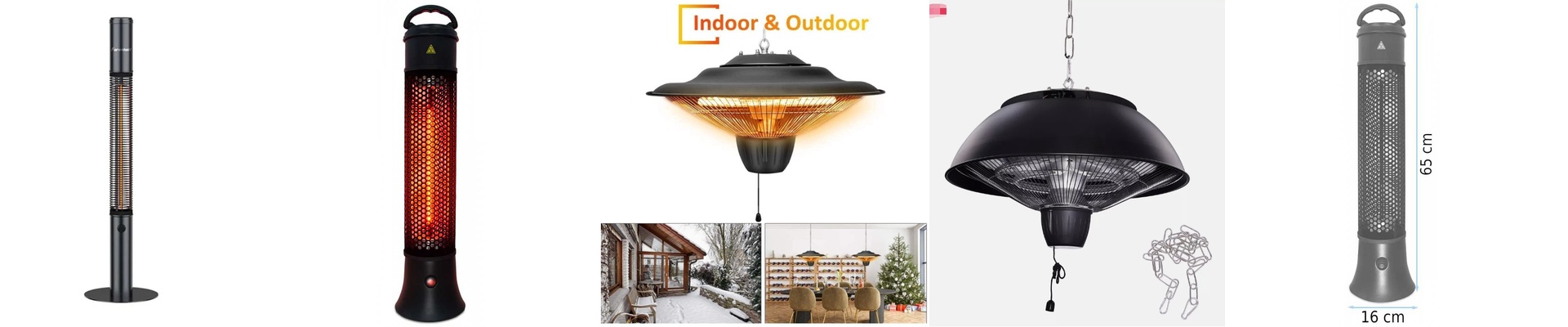
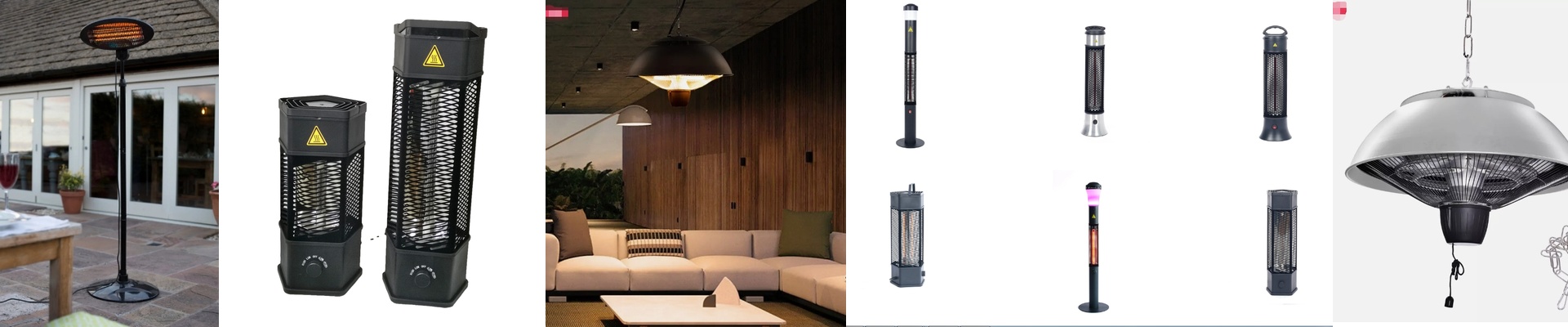
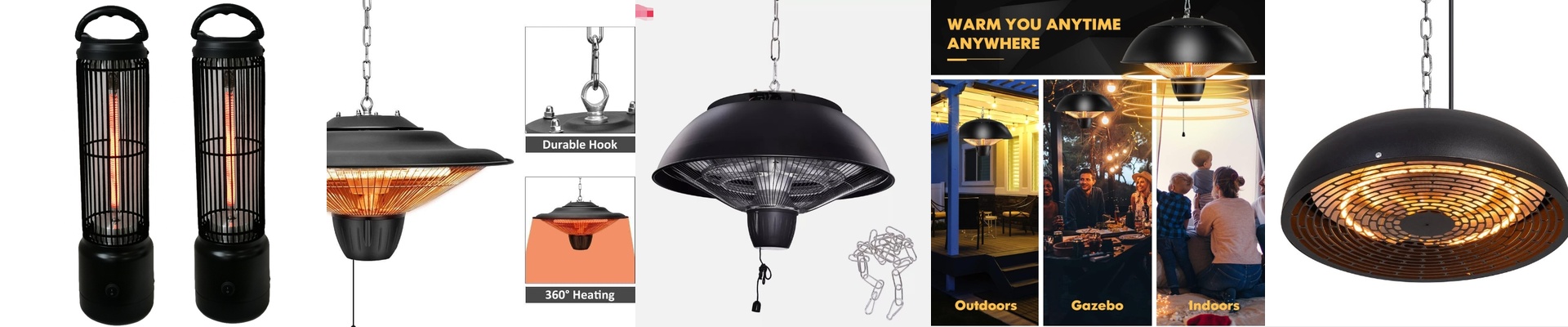
Why the “Techy Stuff” Actually Matters for Your Bathroom Heater
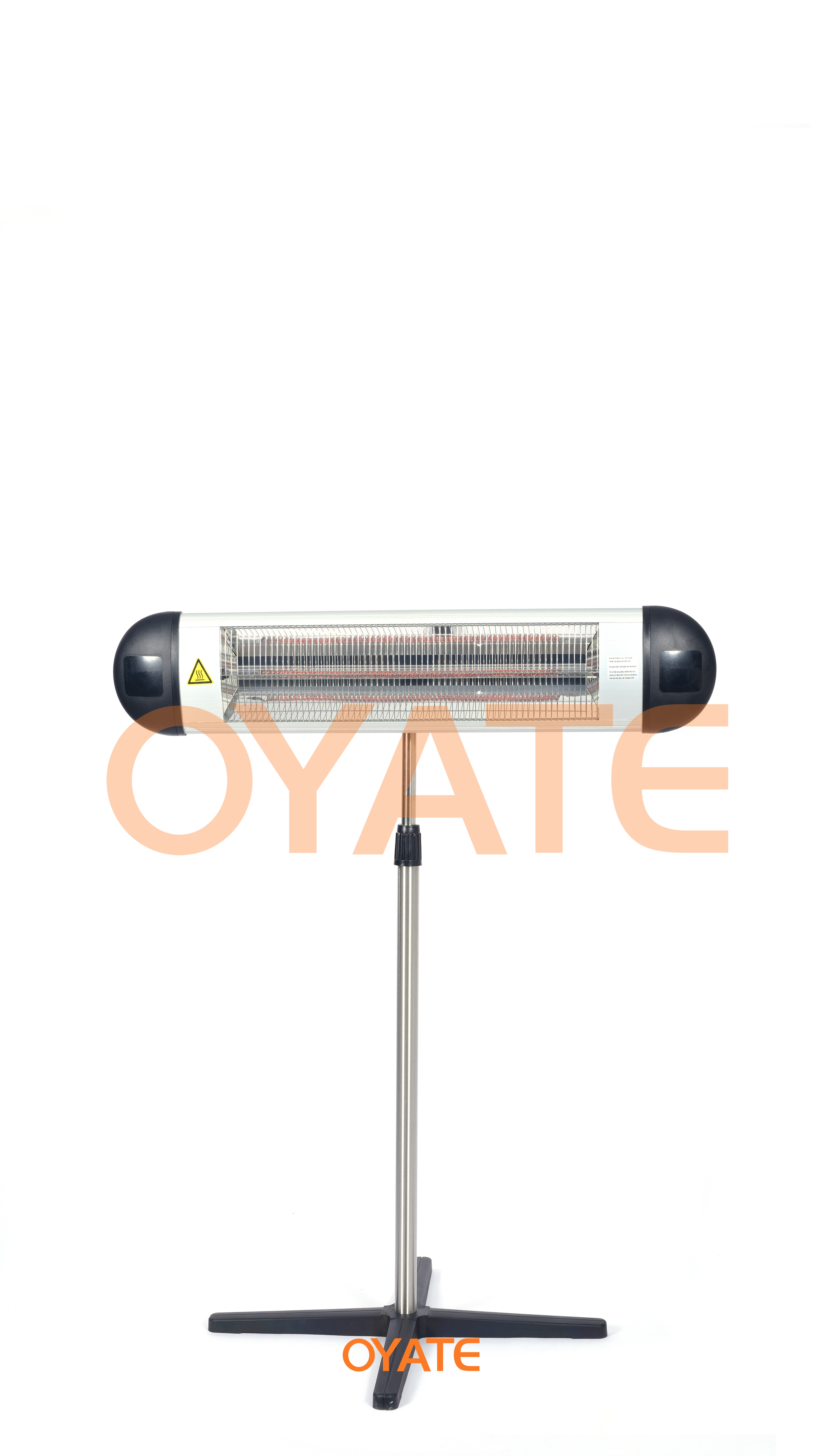
Let’s be honest: bathrooms are a nightmare for electronics. You’ve got steam everywhere, splashing water, and high heat all happening in one small room. If you throw a basic heater in there, it’s usually a disaster waiting to happen. Most of them just can’t handle the moisture or the sudden temperature swings. That’s where things like IPX5 and quartz tubing come in. It sounds like jargon, but it’s actually about keeping your house from burning down. The deal with IPX5 Think of IPX5 as a shield. It basically means the unit can take a direct hit from water jets and keep on ticking. We don’t just slap a plastic cover on it; we obsess over the gaskets and where the wires enter the box. Because if water creeps into the circuitry? You’re looking at a short circuit or a tripped breaker right when you’re shivering in a towel. Not a great way to start the morning. Why we use explosion-proof quartz Then there’s the heating element. Imagine a tube glowing at several hundred degrees. Now imagine a stray drop of cold shower water hitting it. Normal glass would just shatter. Period. That’s why we use explosion-proof quartz. It doesn’t freak out when the temperature jumps or drops instantly. It just takes the hit and stays solid. It’s the difference between a cozy bathroom and a dangerous mess of broken glass. A quick heads-up Now, these things are powerful, but they aren’t magic. The quartz is tough, but the outer housing still gets hot. When you’re installing one, just give it some breathing room. You don’t want it sitting right against a plastic fixture that might melt. At the end of the day, we designed these to be easy swaps for those old, sketchy heaters. Just wire it into a grounded circuit, and you’re set. The shell keeps the water out, the quartz handles the heat, and you get a warm bathroom. Simple as that.