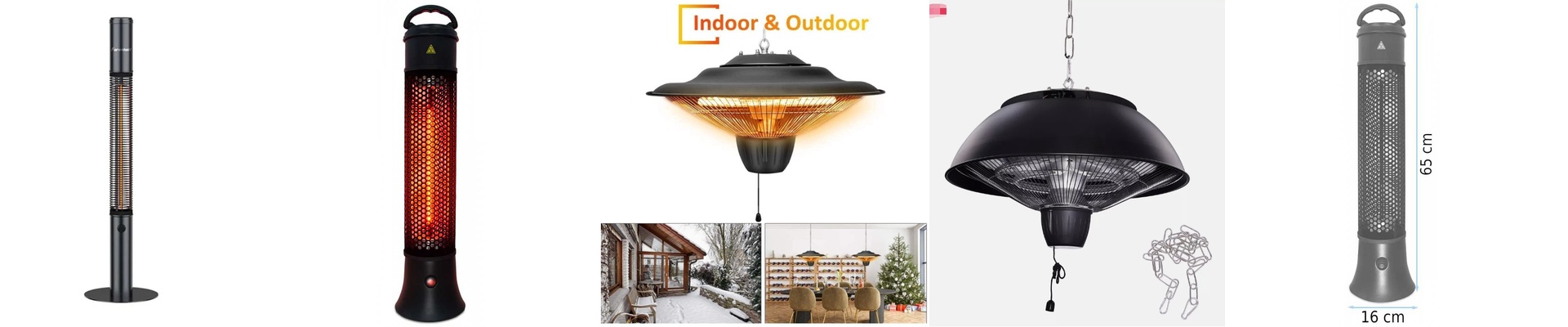
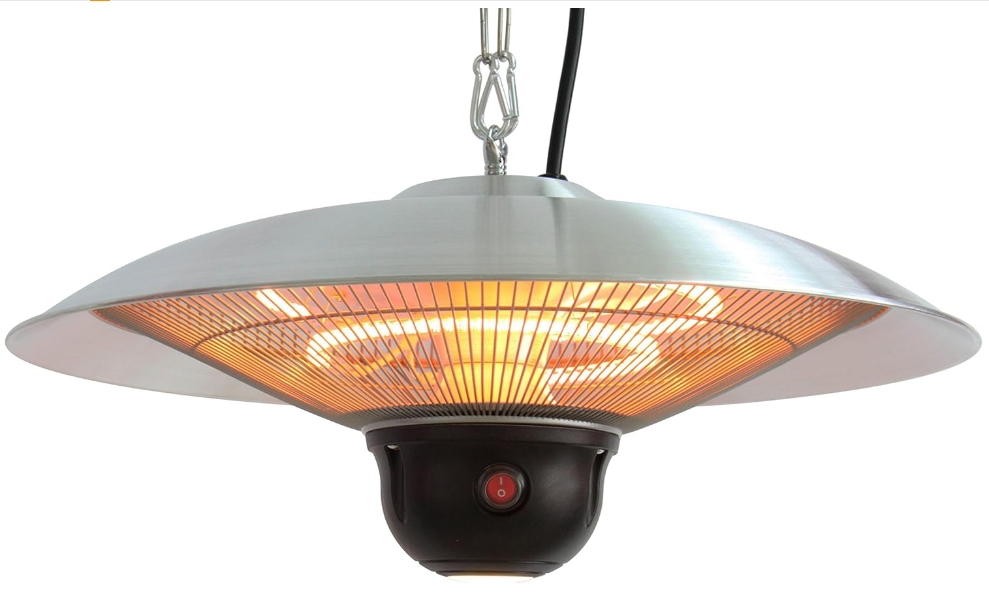
Waterproof Halogen Infrared Heaters: Real Heat for Real Outdoor Spaces
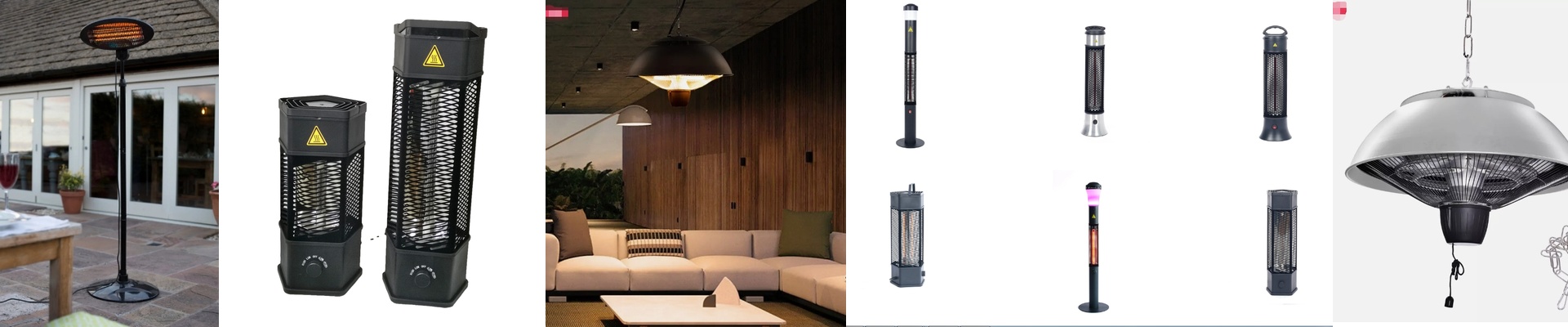
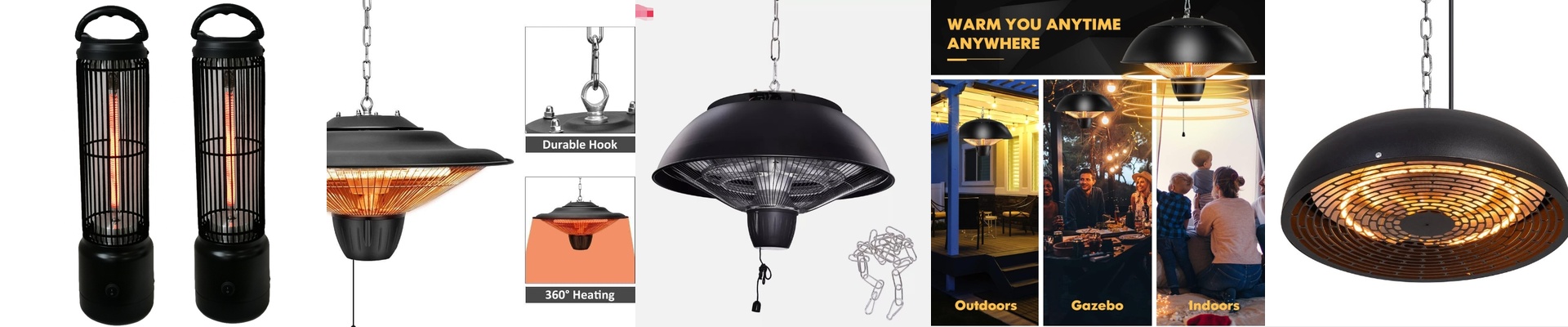
We built this waterproof heater for one simple reason: to take a beating from the weather and still deliver focused warmth right where you need it. If you run an open-air restaurant, this is the difference between a winter space that sits empty and one that keeps bringing in money. It’s a commercial-grade, waterproof infrared heater—designed to stay steady and strong, even when it’s wet and windy.
Power, Voltage, and Size—Kept Practical
It runs on 220-240V, the same power setup most commercial places already have. No need for heavy transformers. Installation stays straightforward. And the size? It’s meant for tight spots—under a pergola, along a dining rail, places where you can’t afford to waste inches. It packs a lot of heat into a small footprint. That’s intentional. You’re heating people, not trying to warm the whole sky. The result? You feel the warmth fast, and you don’t pay to heat what you don’t need. Here’s the catch: that focused power means the area right around the heater warms up quickly. So plan your mounting height and clearance carefully—give it room so nearby materials don’t get too hot.
What’s Inside: Halogen, Quartz, and a Smart Connection
Inside, a halogen-filled quartz tube delivers shortwave infrared heat. Quartz handles sudden temperature shifts and stands up to moisture. The halogen gas cycle helps protect the filament, so output stays stable over the life of the lamp. The housing is built to be waterproof—rain and high humidity don’t scare it. And when it’s time to swap the lamp, you don’t need tools. We use an R7s connector, a proven industrial setup that makes replacement quick and painless.
Why This Works for Open-Air Commercial Spaces
In an outdoor restaurant, this heater zeroes in on tables and seating zones. Radiant heat travels through the air without heating the air itself, so guests feel warmth almost instantly. And because it’s waterproof and tough, it keeps working season after season, cutting down on downtime and maintenance headaches. From an operations angle, the payoff is clear: consistent comfort means seats stay filled, and tables turn faster when it’s cold. It starts fast, doesn’t demand a ton of clearance, and fits cleanly into what you already have. But here’s the smart move: outdoor heating performs best when you zone it. Pair the unit with a thermostat or controller so you can match the heat to occupancy and the weather. That way, you avoid wasting energy while keeping everyone comfortable.