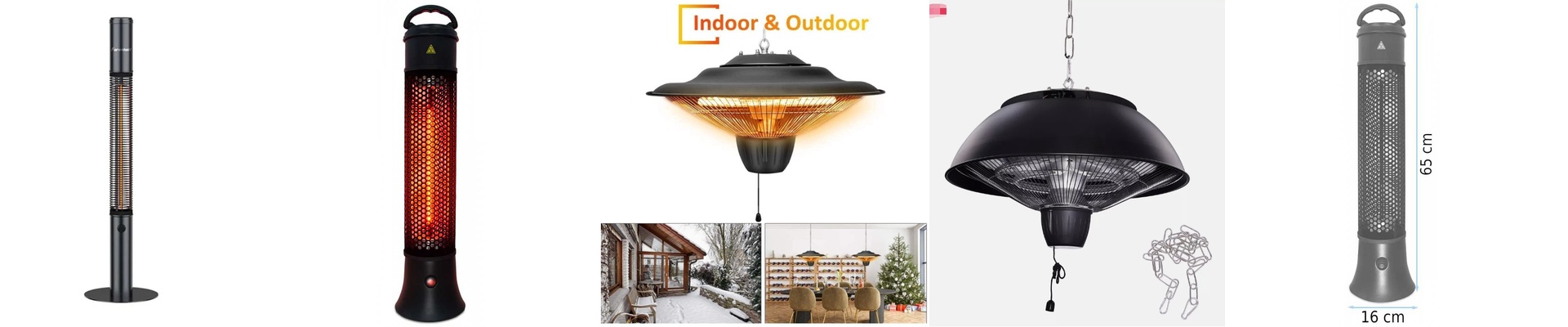
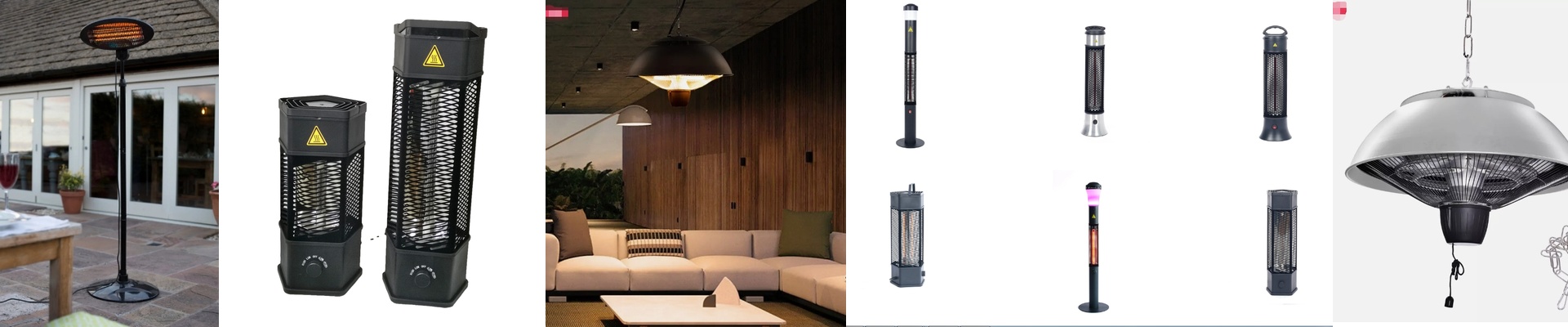
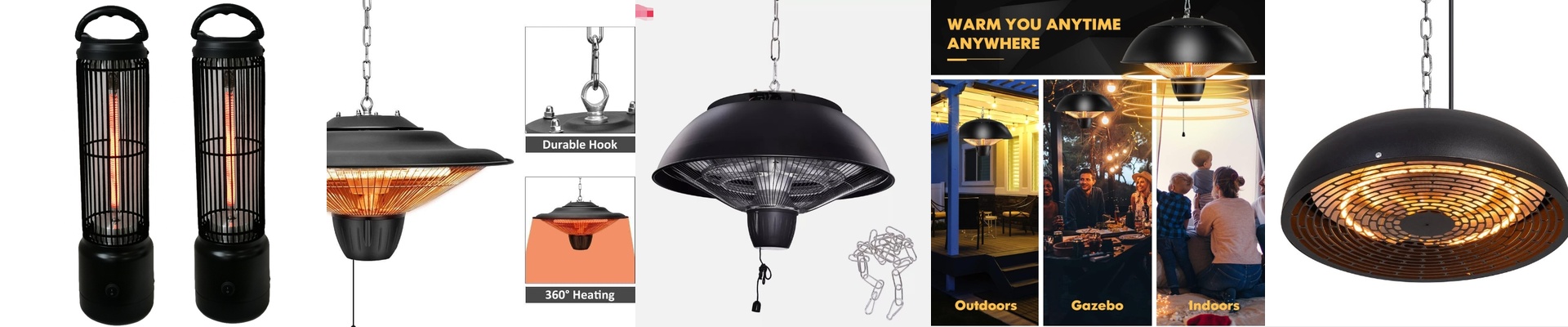
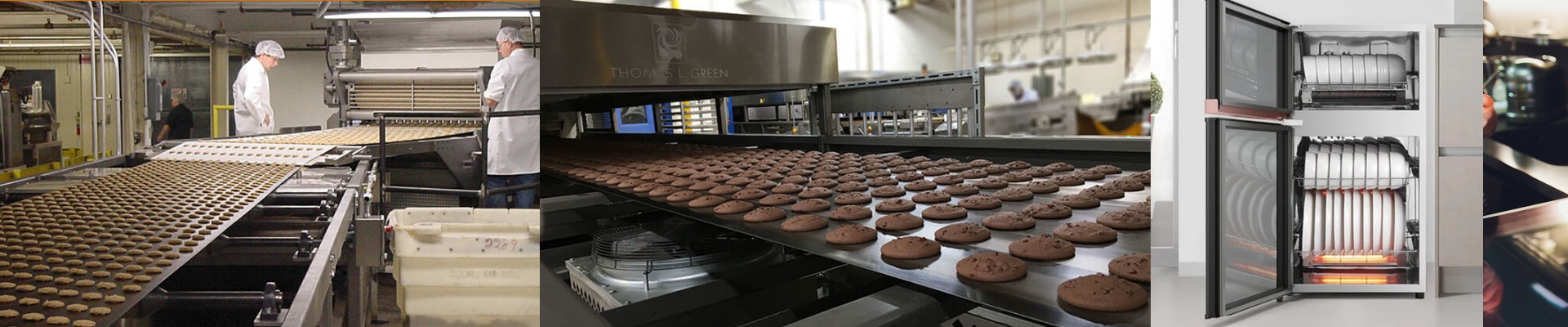
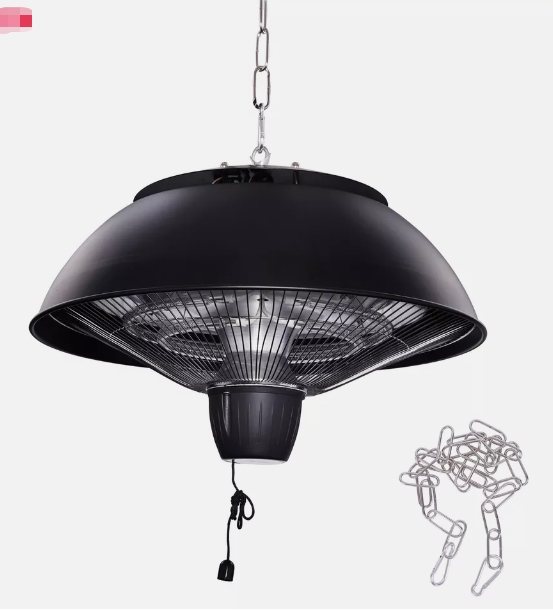
On a plant floor, downtime isn’t just idle time—it’s lost output, materials cooling off, and the mad scramble to get things moving again. When you need heat, you can’t afford to wait on a custom build. We built our industrial electric infrared heaters to move fast, from the first engineering sketch right up to the pallet ready to ship. What matters under the hood These heaters lean on short-wave infrared radiation, so the warmth goes straight where it’s needed—onto people and objects—instead of heating the air. At the core is a quartz tube with a tungsten filament, chosen for quick heat-up and consistent output. You’ve got standard voltage options in 240V and 380–480V, with power ranging from 2 kW to 12 kW, so you can match the capacity to the space. The housings are IP54-rated to keep dust and splashes out, and we built in thermostat control for steady, repeatable comfort. For safety, tip-over protection shuts the unit down if it gets knocked, and a steel safety cage shields the element. Why this fits real-world ops Fast response means your team feels warmth quickly, and production keeps rolling. The modular design lets us assemble standard models in days, not weeks, and we keep critical parts on hand so custom tweaks don’t turn into bottlenecks. In practice, you see quicker cycle starts, fewer temperature swings, and lower operating cost because infrared heats the target directly, not the whole volume. Fewer interruptions, steadier workflow, and a more comfortable floor. A few field realities These heaters do their best work with direct line-of-sight to the target, and output drops as distance increases—so placement matters. They need dedicated circuits and proper mounting hardware; for industrial use, hardwiring is usually the cleanest route. Plan for clearances and ventilation, and double-check voltage compatibility at your facility. We include clear wiring diagrams and mounting templates to keep installation straightforward.