
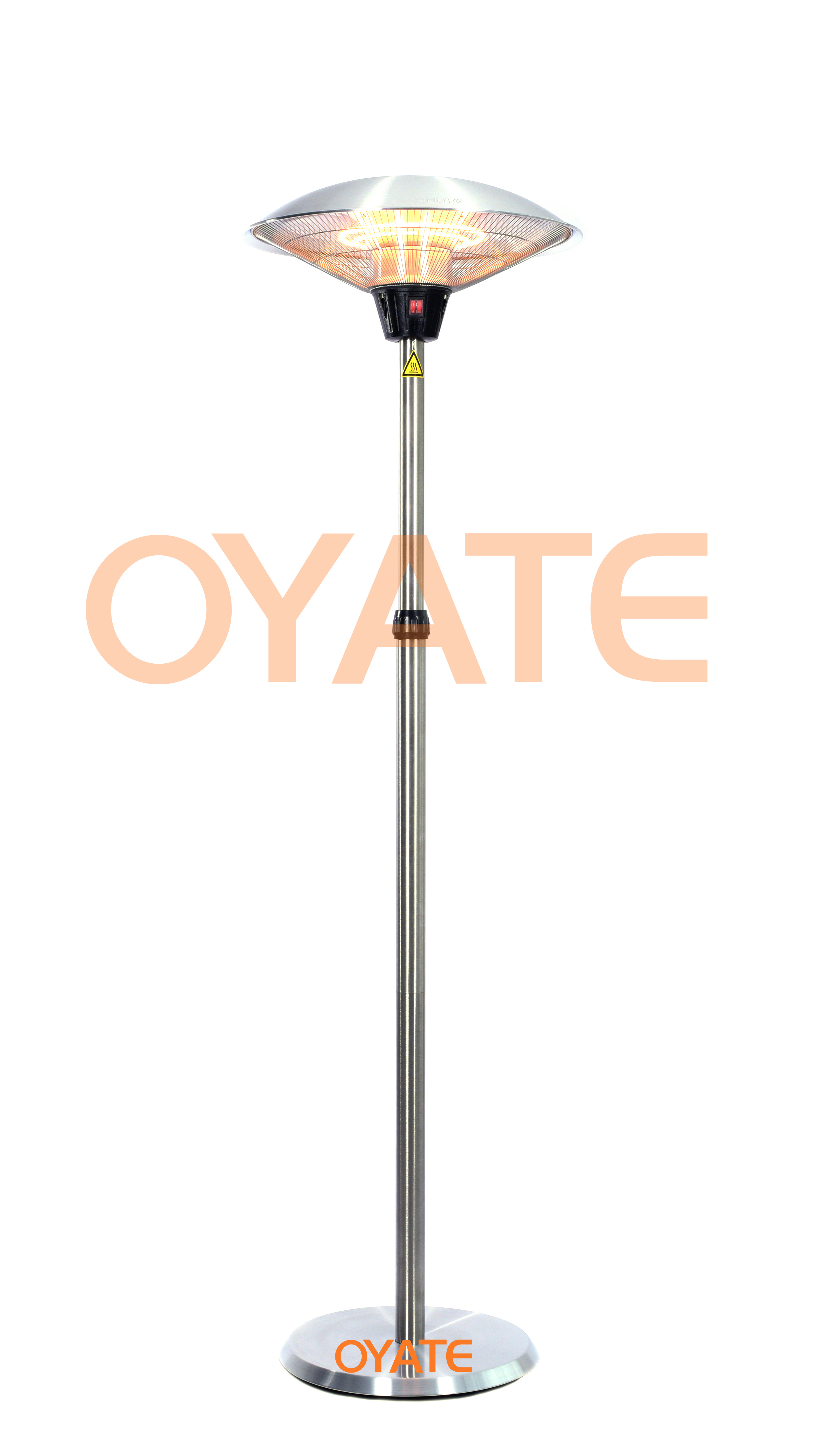
When the sun drops and the wind turns mean, a tent heater isn’t just “heat.” It’s the line between a night that never ends and one that feels properly comfortable. We built our approach around precise radiant warmth, because in the field you measure comfort the way you feel it: how fast the shivering stops, and how steady the warmth holds.
What matters, under the hood
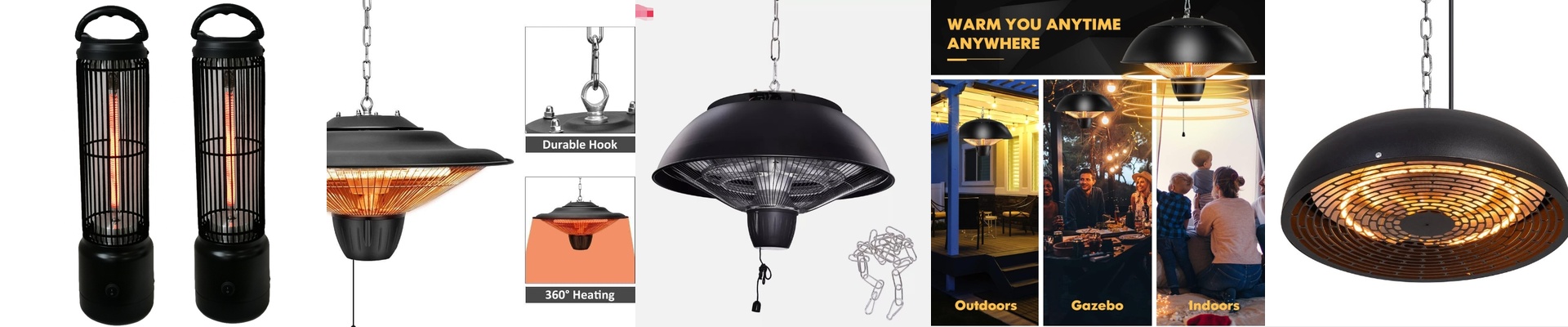
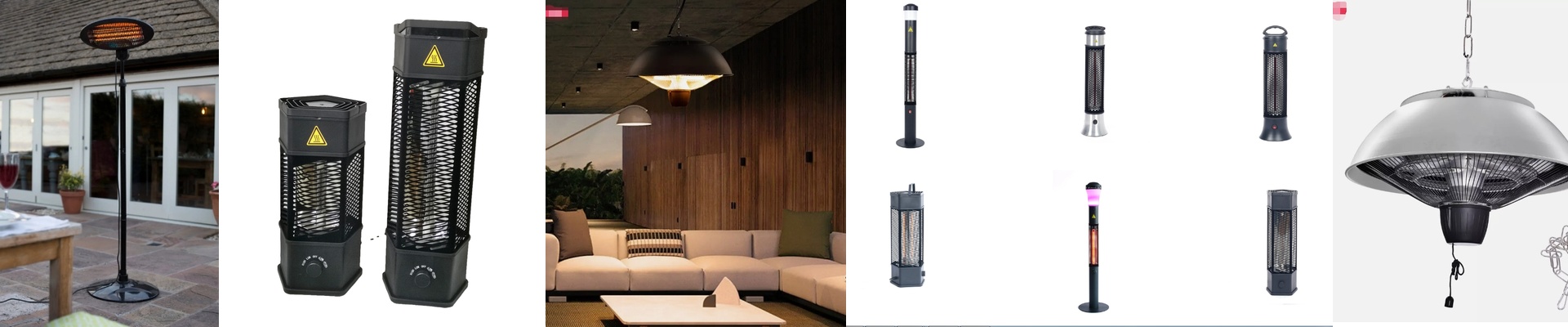
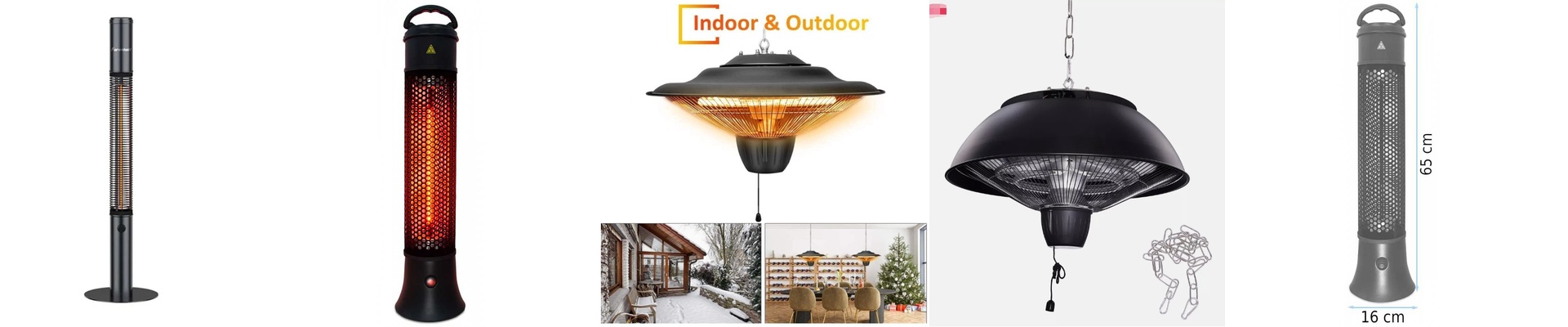
We pair a carbon fiber infrared element with a focused reflector to throw heat where you need it—directly onto people and surfaces—instead of trying to warm the air. That means faster comfort and less wasted energy. Many units run on 120V and pull 1500W, which is enough radiant output for typical camping tents, pop-up shelters, and compact outdoor living setups. A built-in thermostat helps hold the temperature you set, and tip-over protection shuts the heater off if it gets knocked over. In damp conditions, look for an IP rating that shows protection against dust and splashing water.
Why this approach works in a tent
Air heating in a tent can feel slow and uneven—cold spots show up, and gear stays clammy. Radiant heat hits on contact, so you feel the warmth almost immediately, and the steady output makes for better sleep and easier mornings. The footprint is small where space is tight, and the operation stays quiet—no loud fans, no drafts swirling around. For families, weekend campers, and anyone hosting outdoors, that translates to fewer interruptions, more time outside, and warmth you can count on.
The practical details you can’t skip
Tent heaters do their best work when you aim the warmth toward seating and sleeping areas, and they should always be run with adequate ventilation. Make sure your shelter has enough airflow to prevent buildup, and confirm your power source—wall outlet, generator, or battery—can handle the wattage without strain. If you’re using an extension cord, go with a heavy-duty cord rated for the full load. That keeps voltage steady and keeps the heater running safely.