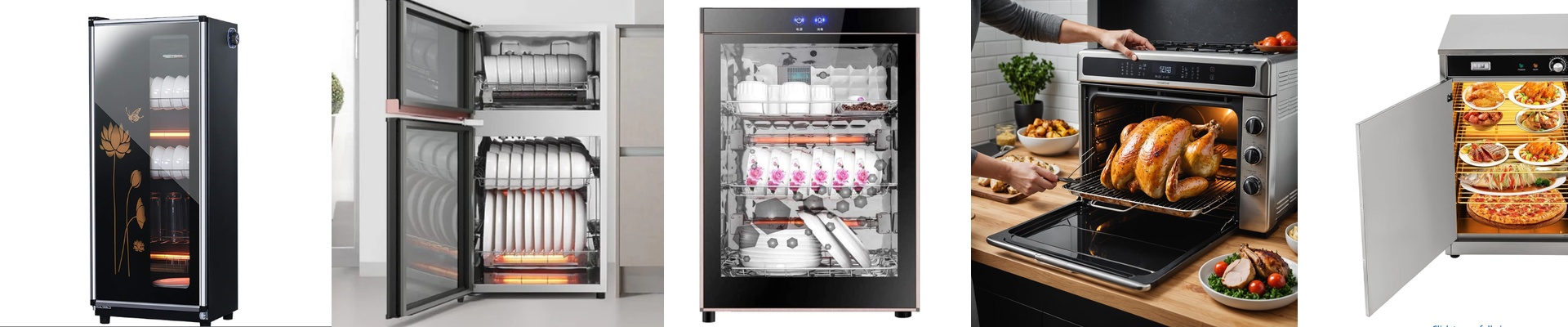

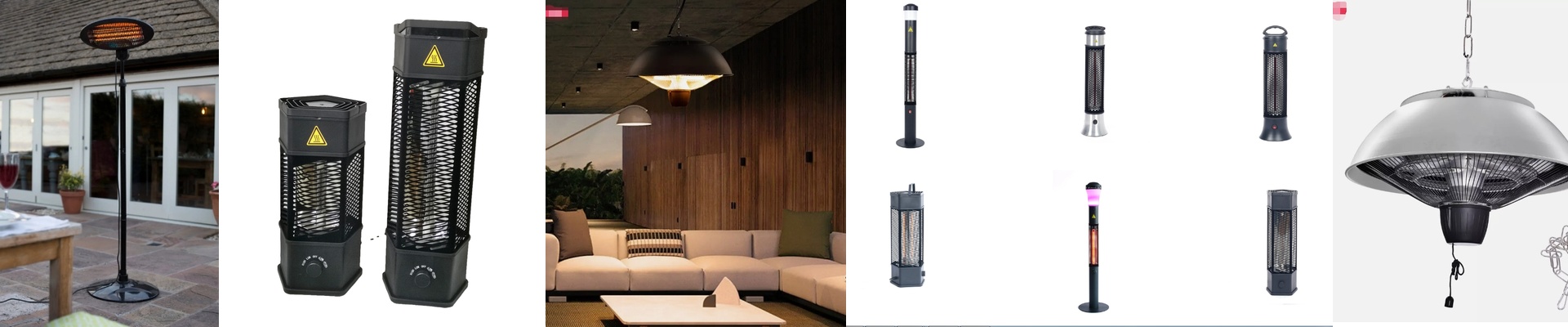
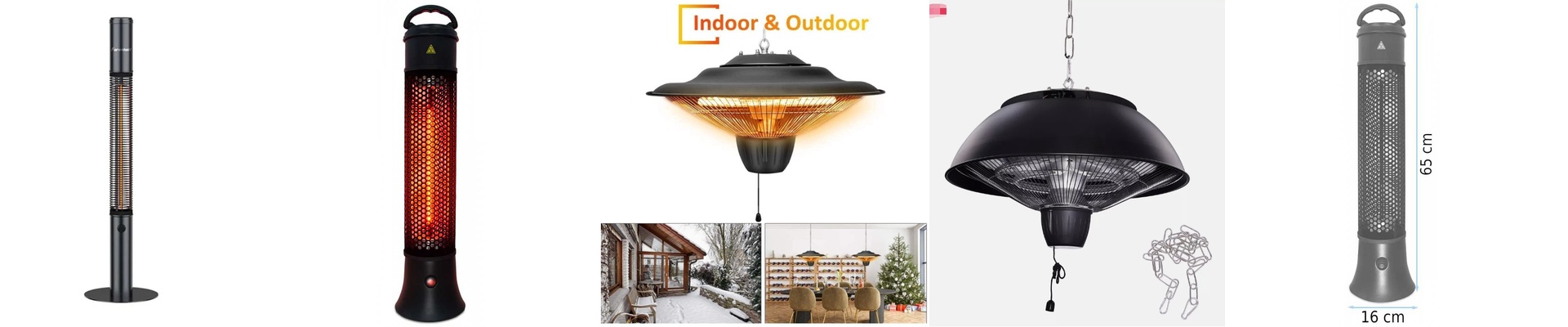
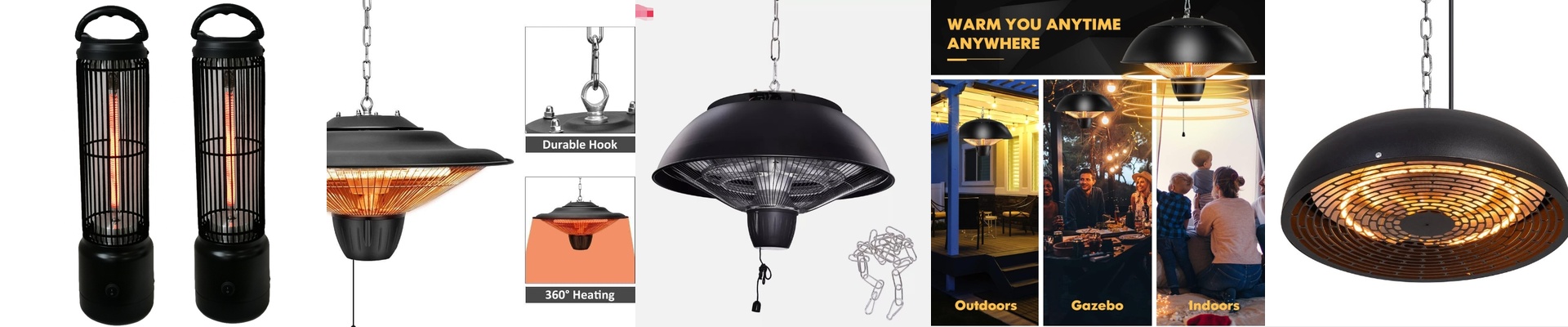
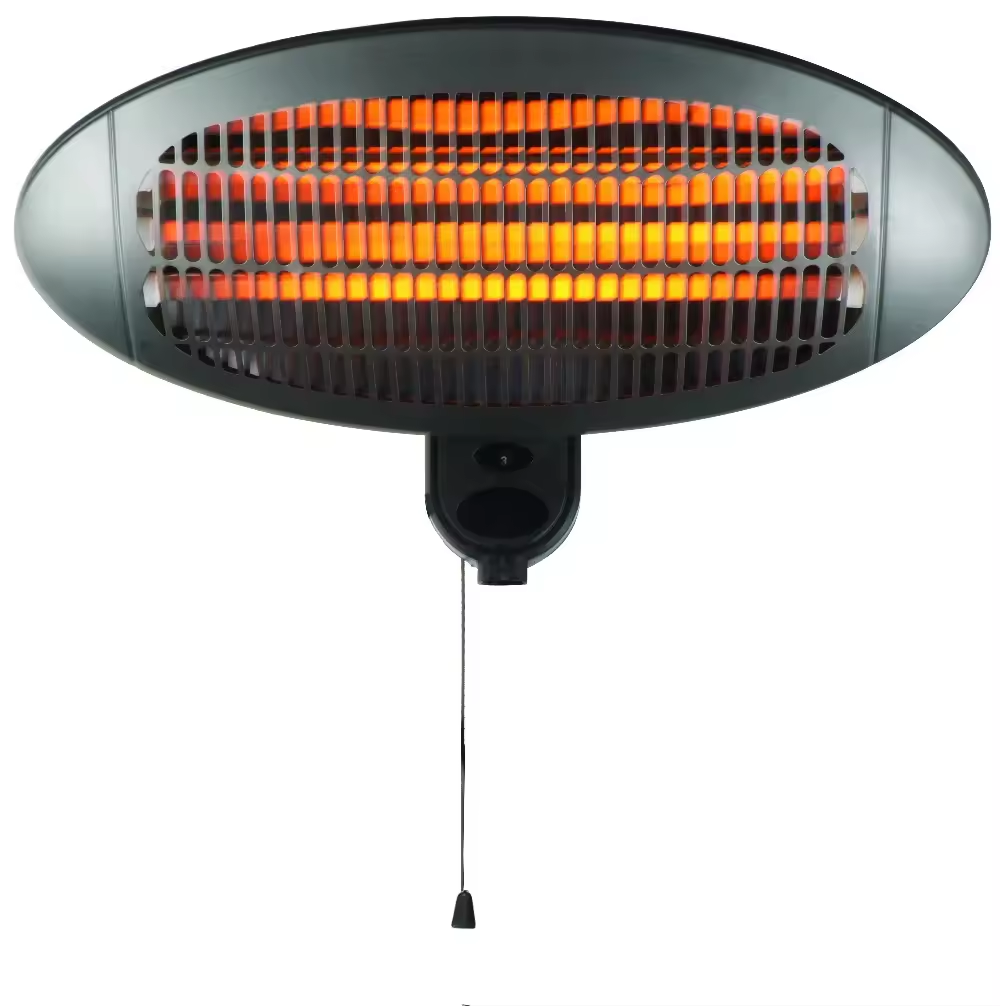
After spending time in 2,000 European homes, one thing hit home: warmth in a nursery only works when it stays out of the way. No scorching surfaces. No noisy fans. No air so dry it wakes a sleeping baby. We built an infrared heater to fit that reality—quiet, cool to the touch, and accurate with its heat.
What matters under the hood
We went with near-infrared (NIR) radiant heat because it warms people and objects directly, not the air between. In practice, that means comfort comes back fast after a door opens, without a blast of air that kicks up dust. The core is a carbon fiber element inside a sealed quartz tube. It runs on 230V and fits a standard outlet, delivering 1,200–1,500W of focused warmth. Control comes from a thermostat that holds the room steady instead of letting it swing between too hot and too cold. Safety is baked into how it feels. The outer housing stays comfortably warm, even when the element is active. Tip-over protection cuts power if the unit gets bumped, and overheat protection pauses output if airflow is blocked. It behaves predictably, even when you’re moving around the nursery in the dark.
Why this approach fits a nursery
Temperature swings matter in a baby’s room. Too cool, and sleep gets restless. Too warm, and the air feels heavy. Radiant heat keeps the immediate space stable, so bedtime stays consistent. Because it warms surfaces rather than pushing air around, you avoid the dryness that often comes with forced-air systems. And the quiet operation means white noise and lullabies aren’t drowned out.
What to keep in mind
Placement matters. Keep the heater at least 1 meter from bedding, curtains, or anything that could block airflow. Give it a dedicated outlet and clear space around it so it runs within its designed temperature limits. This is a radiant solution for personal and nearby comfort, not a whole-room heater for large, drafty spaces. If you want even, ambient warmth in a bigger nursery, pair it with gentle air movement.