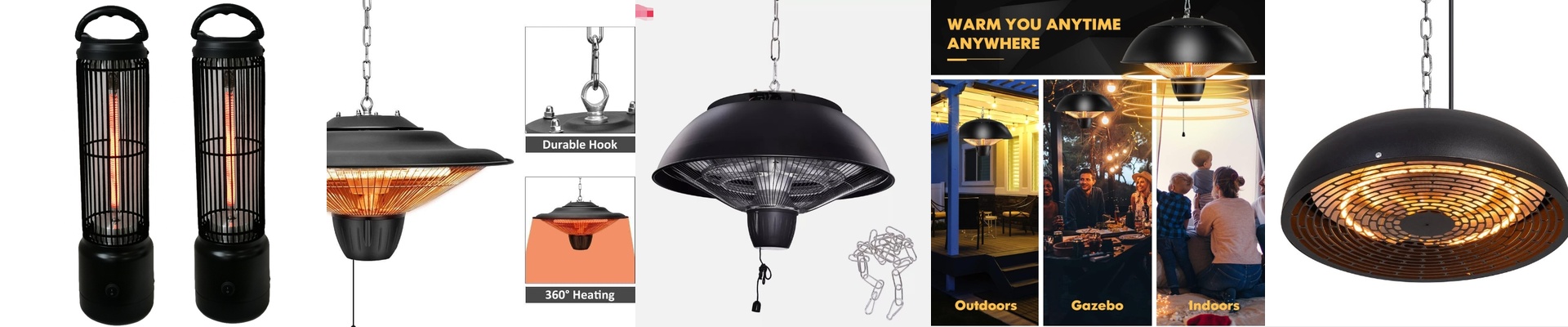
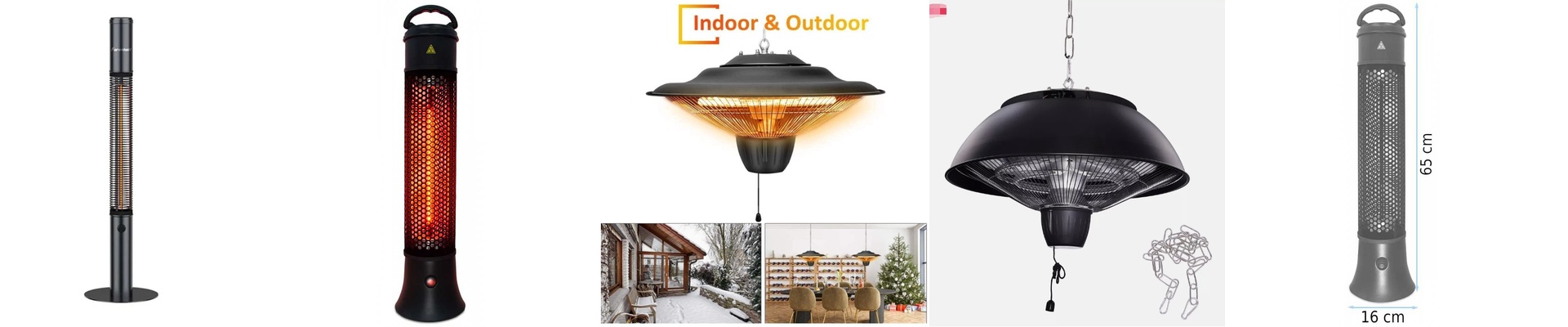
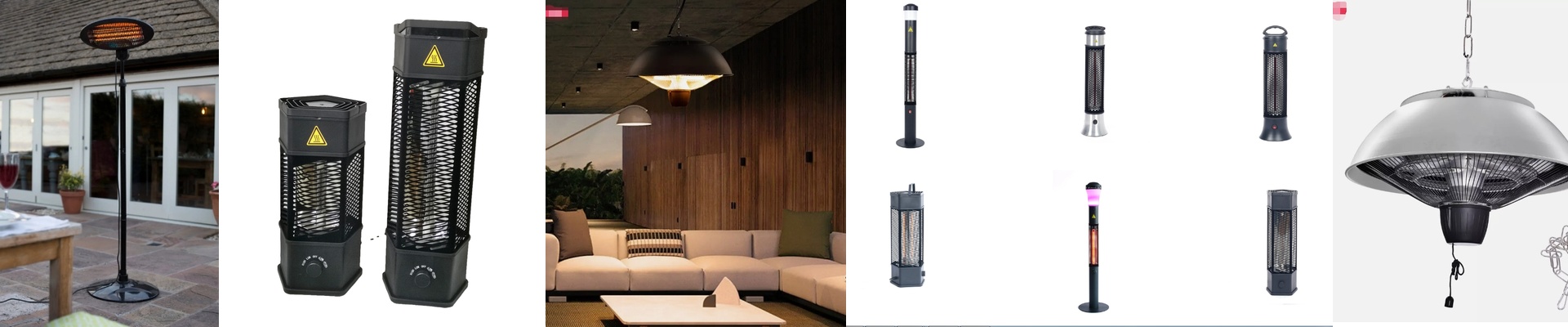
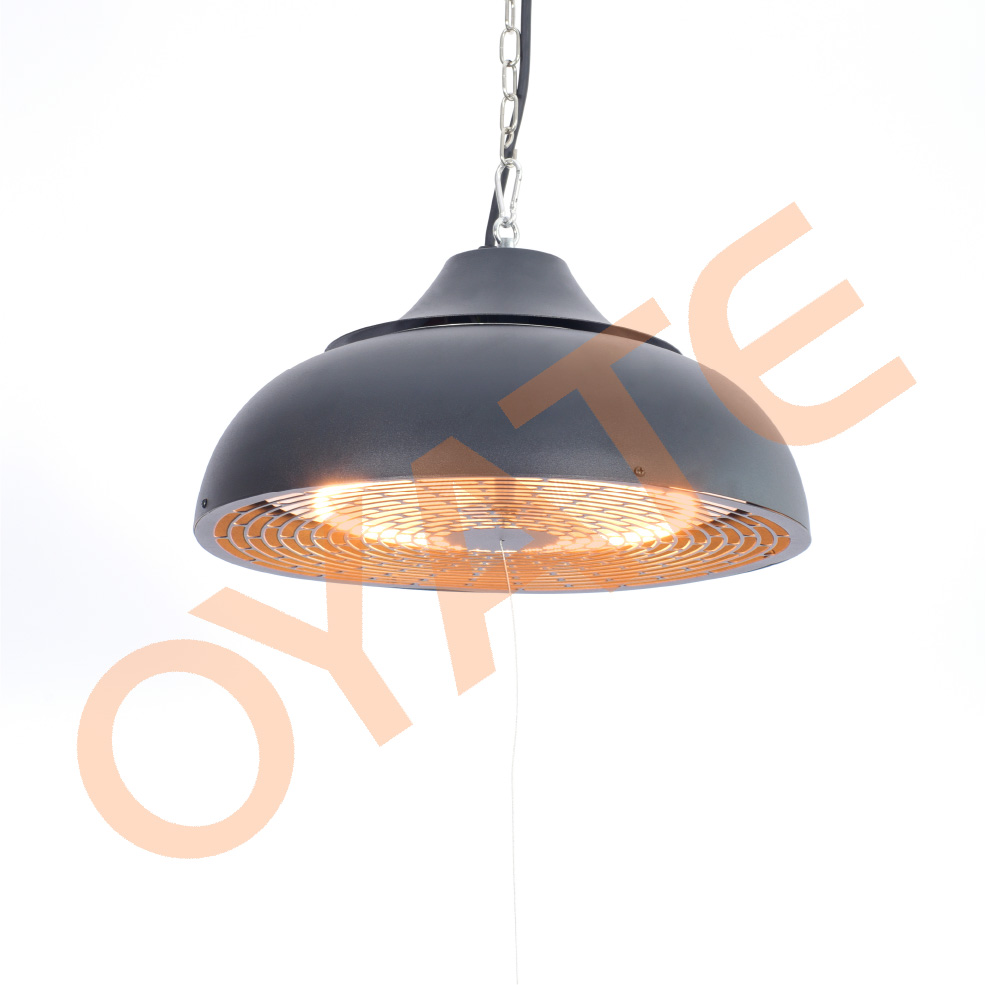
If you’ve ever run a kerosene stove to heat a remote place, you know the drill. You get warmth, sure—but you also get that gritty smell, soot, and the nonstop need to ventilate. You’re basically negotiating with every breath. We built the freestanding infrared heater as a straight swap—clean warmth that keeps indoor air decent while still delivering immediate, directional heat. What matters, under the hood This unit uses infrared radiant technology, so it warms people and objects directly instead of heating the air first. That means localized comfort with less air movement and less dust getting stirred up. Inside, a durable carbon fiber element comes up to temperature fast and holds steady output, backed by a thermostat for consistent control. The unit stands on its own, and tip-over protection adds a practical safety margin. It runs on standard household power, so there’s no fuel to handle, no open flame, and no combustion byproducts hanging around the room. Why it makes sense in tight, off-grid spots In off-grid setups or spaces that are hard to ventilate, ditching kerosene isn’t just about convenience—it’s about air. Our infrared heater delivers heat without the smoke, odor, and particulates that come with burning fuel. The payoff is fewer irritated eyes, fewer dry throats, and a breathing environment that stays more stable. You feel the warmth within seconds, and the room stays quieter because there’s no noisy fan churning air around. For families who care about health, it’s heat that feels like a fix, not a trade-off. The practical details Infrared warmth works best with a clear line of sight—think of it like sunlight. Position the heater so it hits the main seating area, and keep a sensible distance so you don’t cook nearby surfaces. Since it’s electric, it needs a dedicated outlet, and you shouldn’t run it long on an extension cord. It’s not meant to be the only heat source for a huge, open room, but it shines as targeted, cleaner heat for the places you actually live in.