Introduction
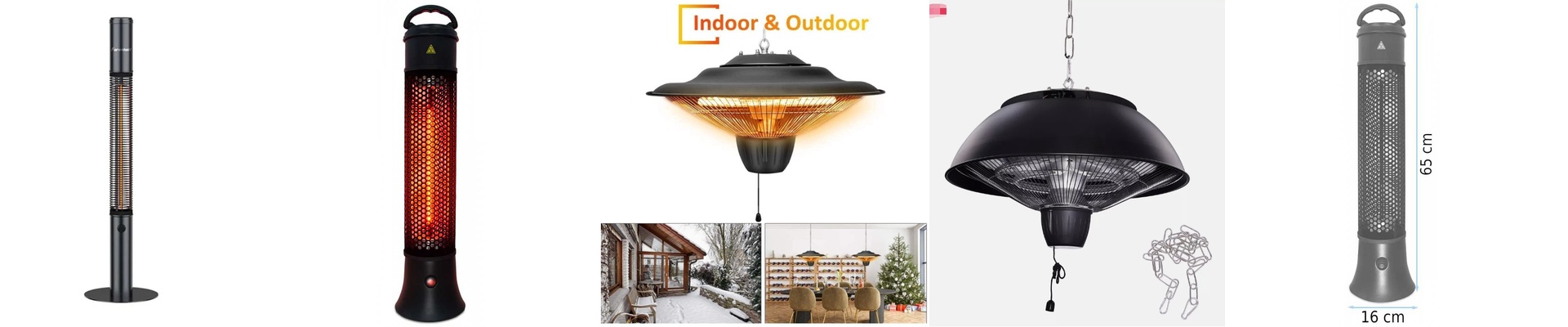
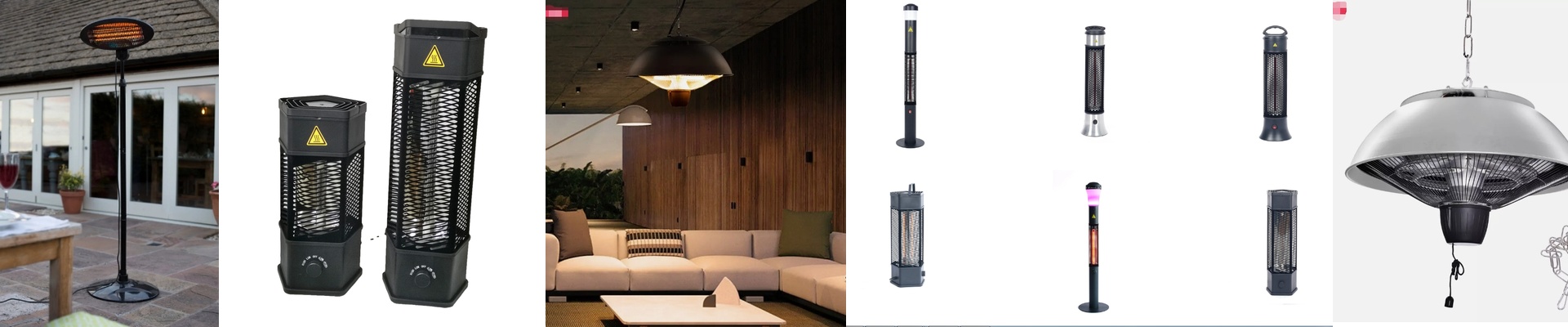
We built this remote-control heater for the plant floor. Because sometimes you just need heat—fast—without having to walk across the shop to flip a switch. It’s a halogen lamp, designed for spot heating, pre-heating a process, or keeping one small area at the right temperature. Inside, you get a rugged quartz envelope, a high-density filament, and an R7s base. That means it drops straight into a lot of the industrial fixtures you already have. No fuss. Just swap it in and get back to work.
Here’s how it actually works
This heater runs on 400V for a simple reason: stability over distance. When the heater is mounted out on a machine cell and the controls are at the panel, you need power that stays consistent down the line. 400V gives you less voltage drop than 230V, so the heat stays steady where you need it. The wattage is tuned for high heat density, so the ramp-up is quick and the temperature control at the target spot feels tight and responsive. And the size? It’s meant to fit into compact reflector housings. The 300mm length is a common spec that keeps the footprint small while still throwing a clean, defined heat pattern.
The materials that matter
Halogen technology keeps the filament stable by running the bulb hot and using a regenerative halogen cycle. That cycle helps reduce blackening, so the output stays steady over time instead of fading on you. The quartz envelope is built to handle thermal shock, so it won’t crack under repeated on/off cycles. And the R7s connector? It’s a secure two-pin interface that’s standard in many industrial heaters. Wire it up, lock it in, and you’re done—fast, every time.
Where it shines—and what to watch for
Use this setup when you need localized heat in enclosed workspaces, when you’re pre-heating machinery, or when the whole room shouldn’t get warm—just the spot. The remote control lets you start, stop, and adjust output from the control station, which makes life safer for the operator and keeps the process more repeatable. One thing to keep in mind: that high heat density needs room to breathe. Plan for proper airflow or shielding, and keep the clearances right, so surrounding components don’t take the heat.