Stop Buying New Blow Molding Machines (Try This Instead)
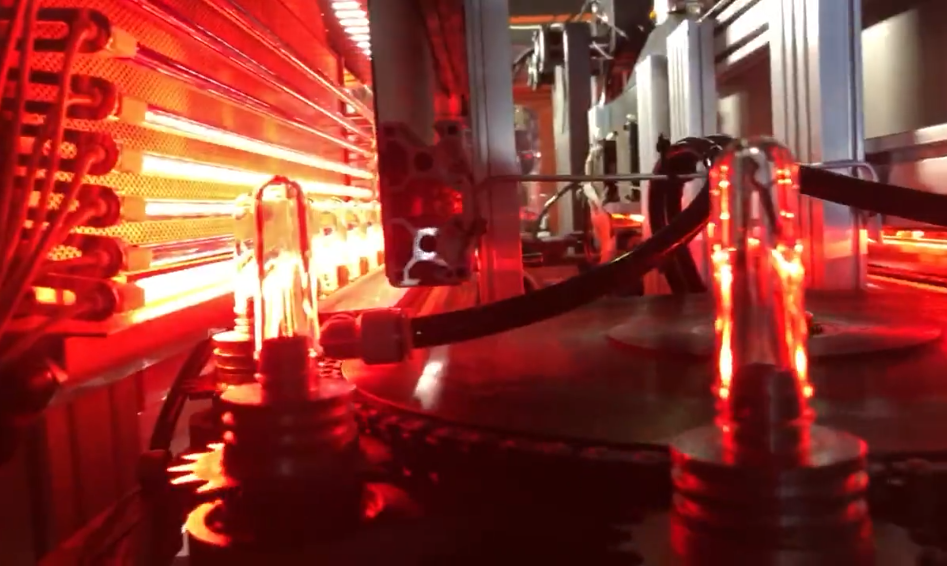
If you’re running a small or mid-sized operation, you know the frustration of an old blow molding machine that just can’t keep up. Your cycle times are dragging, and you’re losing money every hour the machine crawls. But here’s a secret: you probably don’t need to drop a fortune on a brand-new machine. Most of the time, the bottleneck is just the oven. If you swap out those tired old lamps for high-output infrared heaters, you can slash your preheating time and actually move more product through the door. Let’s talk about the heat. To get more preforms through the oven, you need more “punch” from your heaters. We build ours to hit specific targets—like 400V high-output setups—so your PET material hits that magic glass transition temperature way faster. Think of it this way: jumping from a low-wattage tube to a 2500W unit is like switching from a candle to a blowtorch. You’re hitting the plastic with way more IR energy. Just a heads-up, though. This puts more pressure on your power supply and makes the oven run hotter. You’ll want to make sure your cooling fans are up to the task. If they aren’t, you risk warping the machine frame, and nobody wants that. The gear inside. We use quartz glass with special coatings that shift the IR spectrum. Why? Because you want the heat to sink deep into the plastic, not just scorch the surface and leave you with a mess. As for the installation, we keep it simple. We use standard R7s or Sk15 connections. They’re basically drop-in replacements. You just wire them into your existing sockets and you’re good to go. No drilling, no hacking, no headaches. What happens when you actually do it? When you beef up the heating elements, you don’t need as much oven length to get the temperature you need. That means you can crank up the conveyor speed. Your cycles get shorter. Everything moves faster. But there is a catch. Because these lamps react so much quicker than the old-school ones, your window for temperature control gets a bit tighter. You’ll need to spend some time tweaking your PID controllers so you don’t accidentally overheat the neck of the preform. It takes a little bit of patience to dial it in, but once you do? It’s a completely different machine.