Getting the heat right on your Sidel Matrix
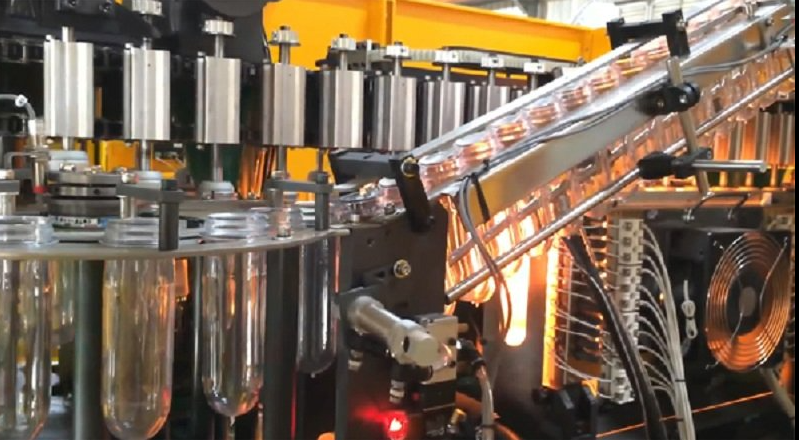
Here is the deal with swapping out OEM infrared lamps in a Sidel Matrix: the biggest headache is the temperature curve. If your heat density is off—even by a tiny bit—everything goes sideways. You end up with uneven heating, which means thin walls in your bottles or that annoying pearlescence in the PET. It’s a nightmare to fix once the bottles are already blown. That’s why we build our lamps to be a dead ringer for the OEM specs. No guesswork. Hitting the same heat profile To keep your temperature curve exactly where it needs to be, we obsess over the wattage-to-length ratio. Think about it. If a lamp is just a fraction too long, or if the voltage drop is slightly off, the radiation pattern shifts. We spec our filaments to match the exact ohms and voltage your Matrix system expects. The result? The heat hitting the preform stays consistent from the start of the oven to the end. The fit and the feel Nobody wants to spend their afternoon fighting with a part that doesn’t fit. We use high-purity quartz glass because it can handle the brutal thermal shock of rapid cycling without cracking. These are true drop-in replacements. The end-caps and connectors are identical to the originals, so you aren’t messing with your wiring or trying to force a lamp into a reflector where it doesn’t belong. Plus, we use specific coatings to tune the IR wavelength. This helps the heat actually sink into the PET polymer instead of just bouncing off the surface. A few real-world tips Because these match the OEM specs, you can keep your current machine settings. No need to spend hours recalibrating the oven. But a word of caution: running high-wattage lamps in a tight cluster creates a lot of ambient heat inside the housing. Check your cooling blowers. Make sure they’re clean and actually blowing air. If the airflow is blocked, the housing will overheat, and your filaments will burn out way faster—no matter how high the quality of the lamp is.