
Why Fast Response Actually Lowers Your Power Bill
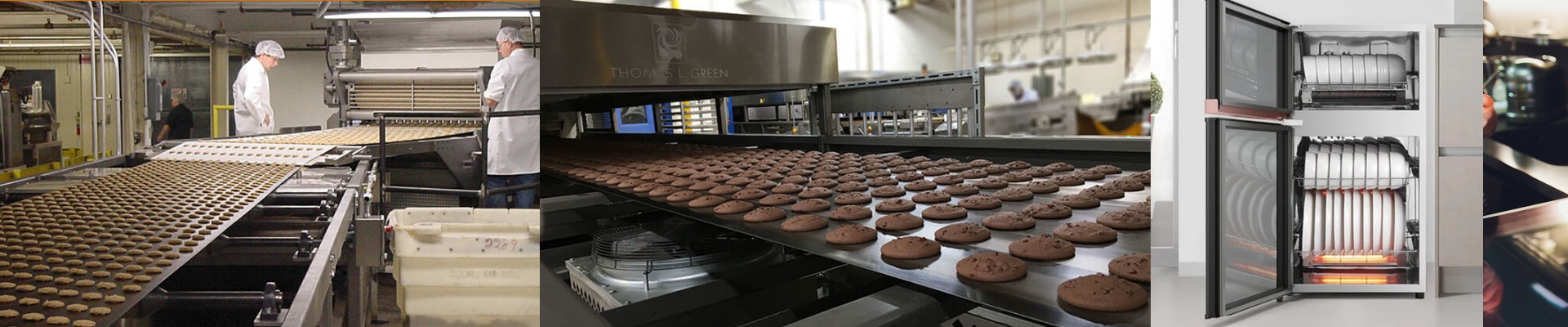
Most engineers think “fast response” is just a vanity metric—like a faster 0-60 on a car. But when you’re running a rotary oven with ceramic heaters, that speed is actually where you save your money. Here is the problem with standard heating elements: they’re heavy. Not just in weight, but in “thermal mass.” They take forever to get hot and even longer to cool down. It creates this annoying thing called “overshoot.” Your controller tells the heater to stop at 200°C, but the element is still glowing and dumping stored heat into the oven. Suddenly, you’re at 210°C. Now you’re fighting your own equipment, over-cooling or cycling power just to get back to where you wanted to be. It’s a waste. We use specific ceramic blends to kill that lag. These heaters hit the target in seconds. **The moment you hit your temperature, the power cuts.**No lingering heat, no guessing games, and no paying for energy you didn’t actually need. Then there’s the rotation side of things. In a rotary oven, your parts are constantly moving through different zones. If your heaters are sluggish, your parts spend too much time waiting for the heat to “catch up,” or worse, they get scorched because the heater couldn’t cool down fast enough. When you have second-level response, the heat moves as fast as the oven spins. You can snap the temperature up or down the exact moment a workpiece enters or leaves the zone. It’s tight. It’s precise. But look, there is a catch. These fast-response ceramics are aggressive. They flick on and off constantly to keep those tolerances tight. If you try to run them on cheap, slow-switching relays, you’re going to fry your electrical panel. You can’t cut corners on the wiring. You need high-frequency switching gear that can handle the workout without burning out. If you get the electrical side right, the rest is easy.