Why clear Quartz Changes the Way You Bake
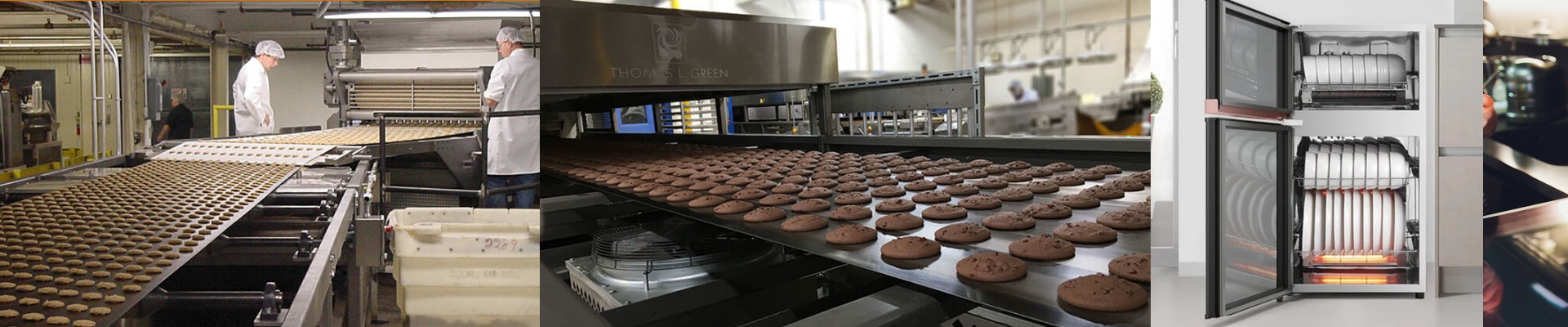
Most bread ovens are slow. They rely on heating up the air around the dough—convection or those slow-ramping resistive elements—which takes forever. We do things differently. We use clear quartz radiant tubes. Instead of waiting for the air to get hot, these tubes shoot short-wave infrared radiation straight into the dough. It’s a direct hit. You can go from room temperature to 300°C in a matter of seconds. **It’s fast. Really fast.**And that changes your whole workflow.
The Secret is in the Glass
Here is the thing: speed comes down to weight. Heavy cast-iron or stainless steel elements act like sponges; they soak up a ton of heat before they actually start giving it off. Quartz doesn’t do that. Since the quartz envelope has such low thermal mass, it doesn’t waste time getting itself warm. It just transmits the energy. The moment you flip the switch, the filament hits peak temperature. No more standing around waiting for the oven to “pre-heat.” You just get that immediate, sharp blast of heat.
The Details That Matter
We stick with high-purity clear quartz for a reason. It lets the infrared energy pass right through the glass without getting trapped. Some people use coated tubes, but that shifts the energy spectrum. Clear quartz keeps everything focused exactly where it needs to be: on the bread. Plus, these tubes are designed to be drop-in replacements for high-end ovens. They pack a massive amount of power into a tiny space, so you can get a lot of heat density without needing a giant oven cavity.
A Few Things to Watch Out For
Now, having that much power in a small package comes with a catch. Because these tubes hit 300°C almost instantly, your connectors take a beating. The metal expands and contracts rapidly every time you use them. If your wiring or sockets aren’t rated for that kind of stress, they’ll fail. And a heads-up on power: keep your voltage steady. If it jumps around, you’ll burn out the filament way sooner than you should. A good voltage regulator is a lifesaver here. If you’re the one designing the system, keep in mind that this kind of heat changes how the crust behaves. You get way more control over that “oven spring,” but you have to be careful with your timers. If you blink, you might scorch the surface.