Why you should ditch resistance wires for ceramic infrared in your deck ovens
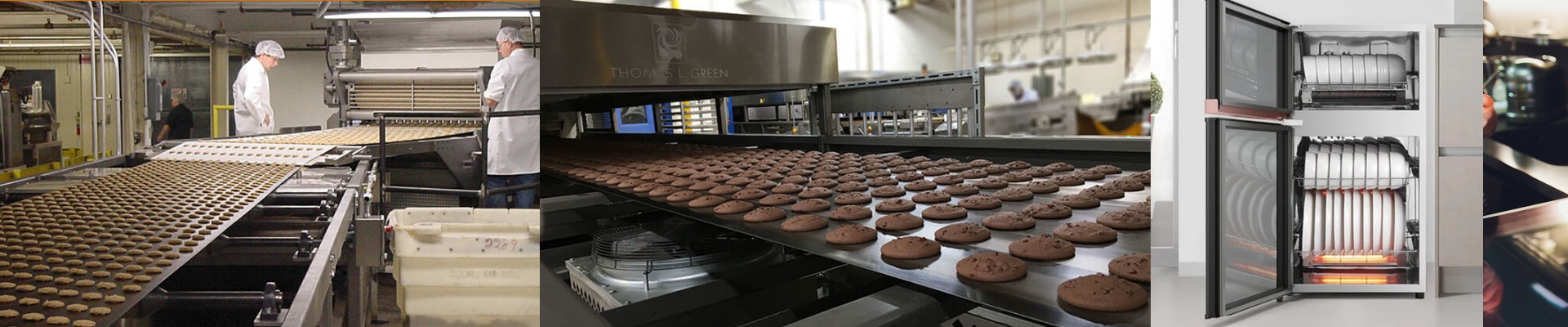
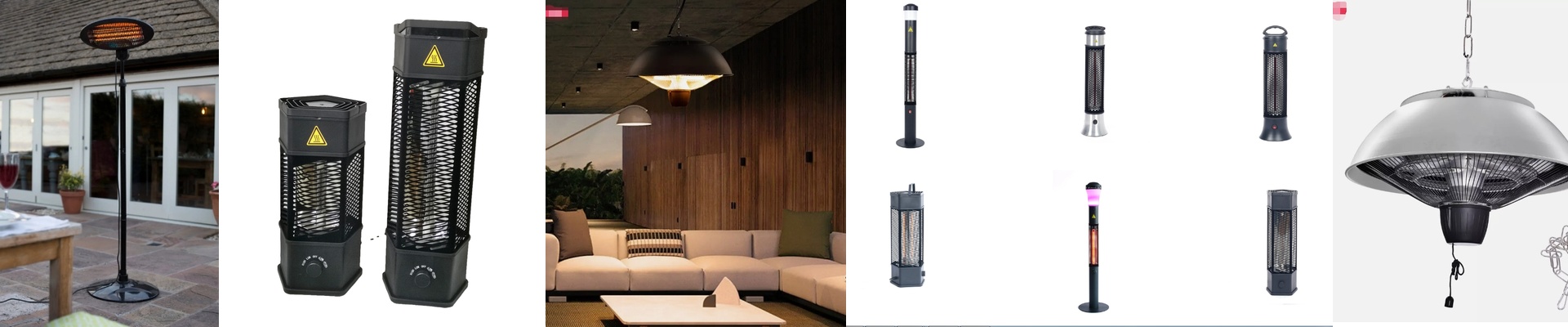
Most deck ovens work in a pretty clunky way. You’ve got those old-school resistive heating elements that spend way too much time warming up the air and the oven walls before the heat actually reaches the stone. It’s slow. It’s wasteful. You’re basically paying to heat the room while your dough just sits there. Ceramic infrared heaters handle things differently. Instead of warming the air, they send energy straight into the food. It’s all about how the heat moves. Think of it this way: traditional coils are like trying to warm your hands by heating up the entire house. Ceramic infrared is more like stepping into the sunlight. We use a specific ceramic material that turns electricity into infrared radiation, and that heat punches right through the surface of your product immediately. The best part? You aren’t waiting around forever for the oven to get up to temp. It happens fast. Really fast. And since you aren’t fighting heat loss through the oven’s outer shell, your electric bill actually starts to look a bit friendlier. Now, there is a catch. You can’t just rip out a wire and slide in a ceramic plate and call it a day. These heaters are powerful and react quickly. If you don’t have a PID controller to manage that speed, you’ll end up scorching the bottom of your crust before the middle is even warm. You’ll need to tweak your control system to keep things balanced. What this means for your daily grind. If you’re running a high-volume bakery, getting rid of that “thermal lag” is a huge win. Your workflow just feels smoother because the oven responds to you, not the other way around. Just one tip: double-check your wiring. Make sure it can handle the specific wattage of the ceramic plates, or you’ll be spending your morning replacing blown fuses instead of baking bread.