Stop the Bathroom Mold: Why Infrared is Better Than a Fan
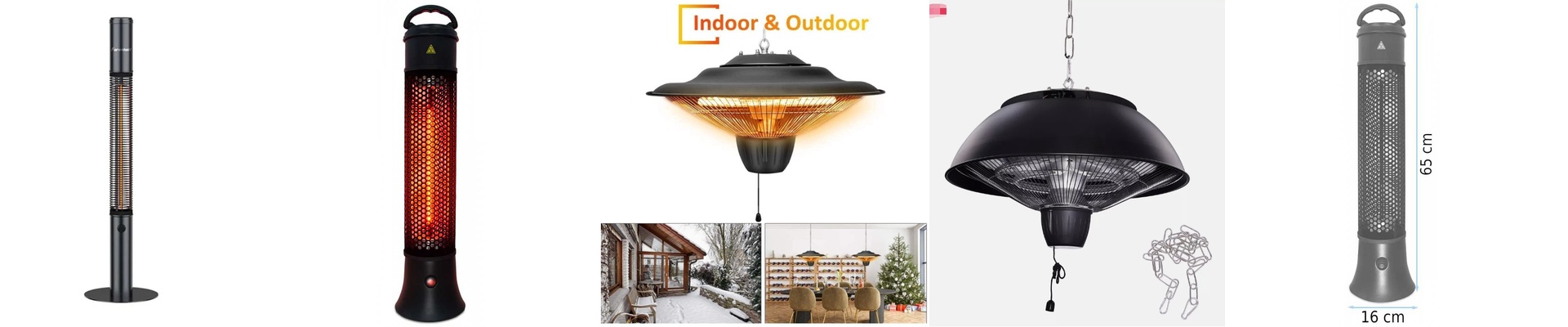
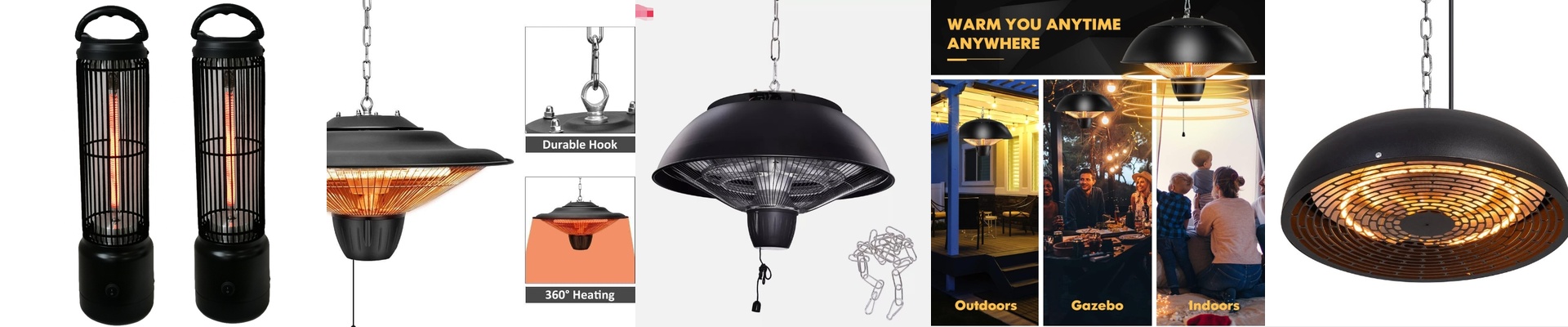
Most people think of those infrared lamps in the bathroom as just a way to keep from shivering while you dry off. But if you look at it from an engineering perspective, it’s actually a clever way to fight moisture. When we put these short-wave infrared (SWIR) systems in a ceiling, we aren’t just trying to warm up the air. We’re going after the water molecules clinging to your walls and ceiling.
How it actually works
Mold loves those damp, stagnant corners where water just sits there. Standard heaters just warm the air, which—believe it or not—can actually cause more condensation on your cold tiles. Infrared is different. It doesn’t care about the air; it goes straight for the surface. The light penetrates the tiles and grout, shaking up the water molecules and forcing them to evaporate fast. By hitting those specific “spectral peaks,” the heat reaches the actual material of the wall. It dries things out right where the wall meets the air. And since mold needs standing water to grow, you’re basically taking away its food source.
A few things to watch out for
Now, there are some trade-offs. We use high-purity quartz glass for these lamps because it lets the heat through perfectly. But quartz is brittle. If you’re installing these in a spot where things get bumped around, you’ll want a good shield over them. You also have to be careful with the wattage. If the heat is too intense for the size of the room, you might dry out your sealant joints too quickly. That leads to cracking. My advice? Use a staggered firing sequence. It keeps the surface temperature steady without baking your bathroom into a sauna.
Making it easy
The best way to do this is to hook the units up to a timer or a humidity sensor. Running the lamps for about 15 minutes after you shower is usually plenty to clear the dew point. It’s a great alternative if you’re working with a tight space where a massive, noisy exhaust fan just won’t fit. One last tip: keep the quartz tubes clean. Dust acts like a blanket, blocking the heat. If they get dirty, you’ll have to run the lamps longer to get the same result, which just wastes energy.