Stop Waiting for Your Rotary Oven to Warm Up
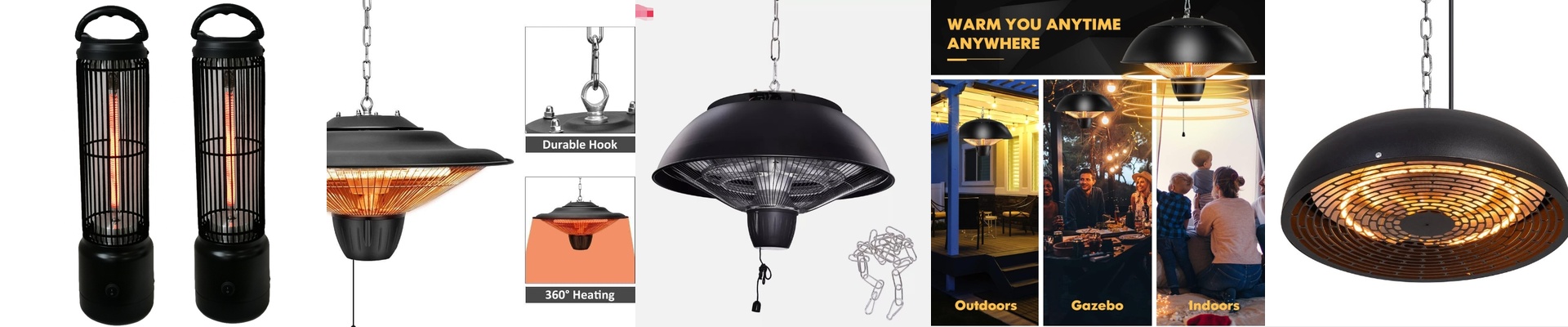
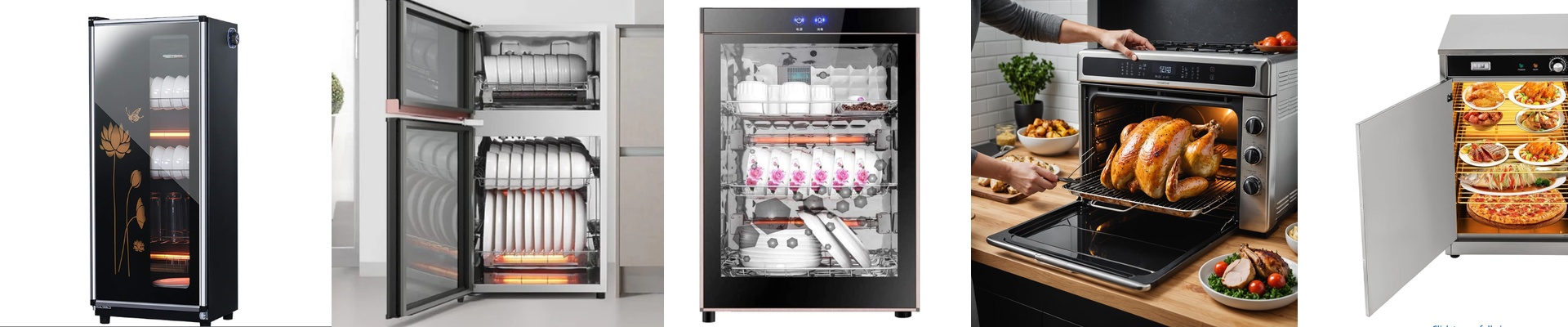
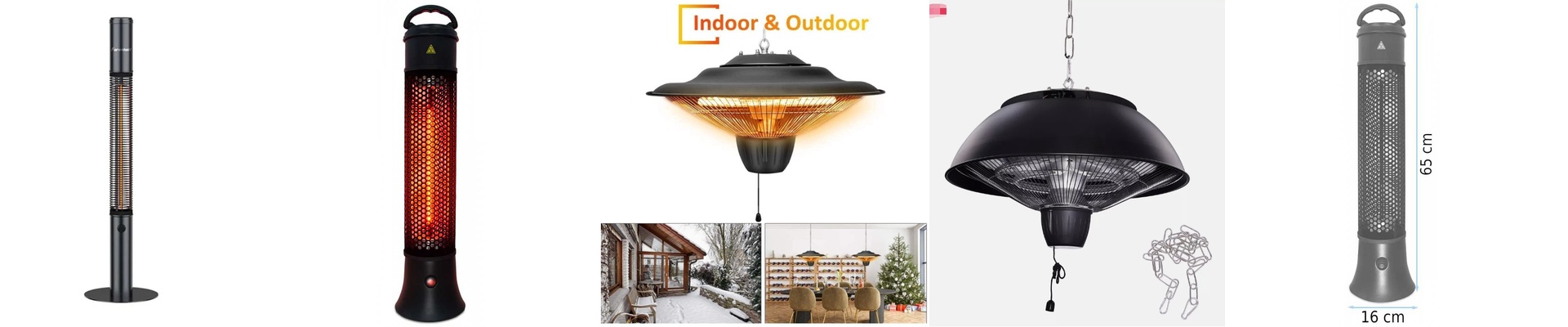
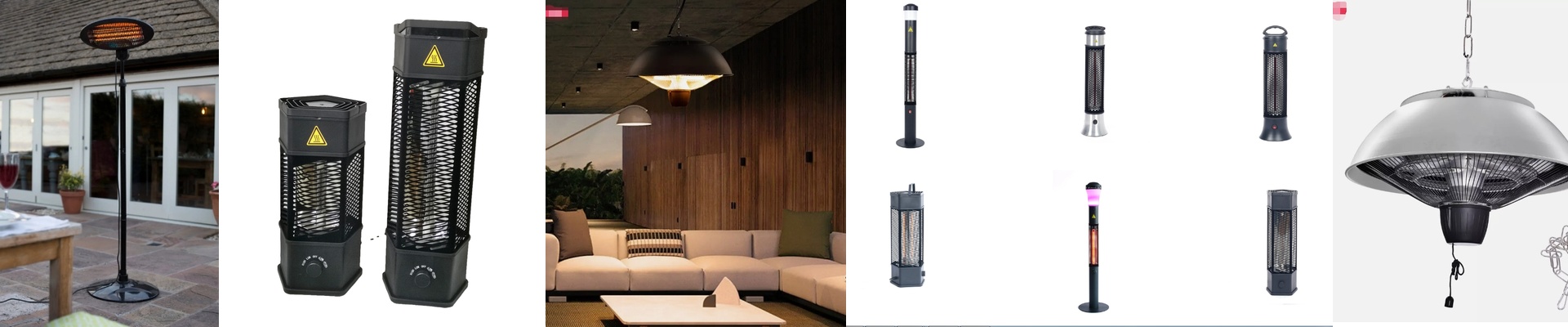
If you run a cafe, you know the drill. You turn on the rotary oven, and then… you wait. And wait some more. When your preheat cycle drags on, everything else slows down. Your rhythm is off, and your production schedule takes a hit. We found a way to fix that by adding infrared (IR) heating elements into the mix. Think of these as a shot of adrenaline for your oven. How it actually works Most ovens just heat up the air, which takes forever. IR is different. It uses electromagnetic radiation to beam heat directly onto the oven walls and your product. It’s a much faster response. We’ve tuned these elements to fit the voltage and wattage of commercial units, so the heat goes exactly where it needs to be, right when you need it. The gear inside We use quartz-halogen tubes for this. Why? Because the halogen cycle keeps the filament from wearing out too fast, even when things get scorching hot. Plus, we use standard connectors—things like R7s or Sk15. This means you can usually get them wired up without having to spend your afternoon fabricating custom brackets. The quartz glass is also key. It lets the shortwave radiation pass right through instead of soaking it up, so the energy hits your dough instead of just heating the glass. A quick heads-up Now, here is the catch. You can’t just throw these in and call it a day. Adding an IR booster pulls more power. If your wiring is old or too thin, you’re asking for a burnout. You’ve got to make sure your electrical setup can handle that initial surge when the oven first kicks in. But once you’ve got the power sorted? It’s like putting a turbocharger in your oven. You’ll hit your target temperature in a fraction of the time, and you can actually get to baking.