Fixing those annoying cold spots in your industrial ovens
If you’ve spent any time around large steam ovens, you know the struggle. You pull out a tray and the center loaves are perfect, but the ones on the edges? They’re pale. Under-baked. Just plain wrong. It happens because heat loves to leak out of the edges and door seals. Standard convection just can’t keep up. It’s too slow to fight that perimeter chill, and you end up with a batch that looks like a patchwork quilt. We figured out a way to stop this by putting rapid-response infrared heaters right where the heat loss happens: at the edges.
How the heat actually works
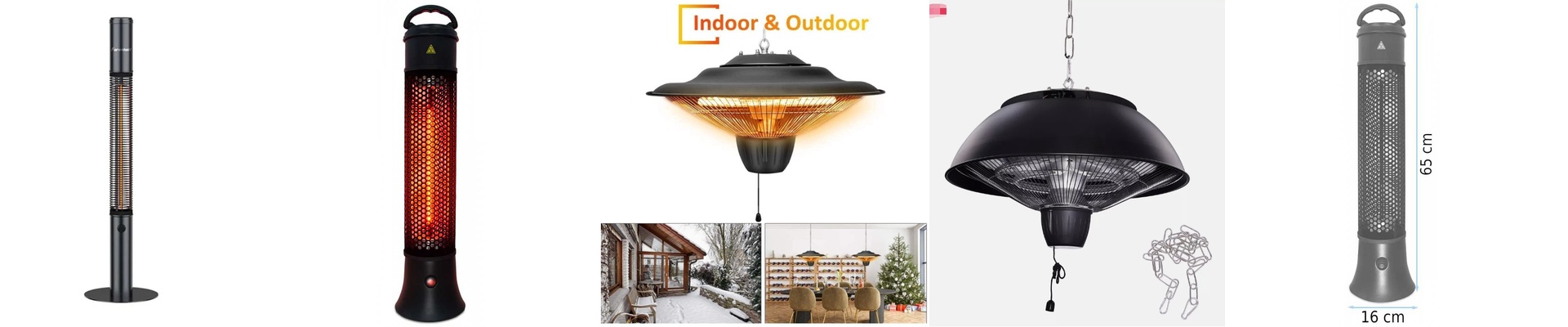
Think of it this way: convection is like trying to warm up a room with a fan. It takes a while. Infrared is different. It’s more like stepping into direct sunlight. The energy hits the dough instantly. By lining the edges of the oven with these lamps, we basically create a “thermal curtain.” It blocks the cold from creeping in and keeps the edges as hot as the center. We use short-wave infrared emitters because they pack a punch. They hit the target temperature in seconds. No more “pale edge” loaves slowing down your line.
Getting it set up
The best part? You don’t have to rip out your whole oven. These heaters are designed to drop right into the spots where your standard heating elements usually go. We use high-wattage quartz tubes to make sure there’s enough power to cover the entire footprint of the oven. You can plug these straight into your existing PID controllers. Since they ramp up so fast, you can set them to “pulse.” The lamps only kick in when the sensors feel a temperature dip. This is key—it means you get a perfect crust without accidentally torching the bread.
A few things to watch out for
Now, this isn’t magic; it’s physics, and there are some trade-offs. Infrared heat is directional. If you cram your loaves too close together or the lamps aren’t spaced right, you’ll see “striping” on the crust. You have to be precise with how you align the lamps to your trays. Also, a heads-up: those quartz tubes are fragile. If your bakery floor is a bit chaotic—lots of heavy vibrations or things bumping into the equipment—you’ll want to install some protective guards. It’s a small step that saves you from a very expensive broken tube.