Stop Fighting Your Rotary Oven: A Better Way to Get Your Heat Back
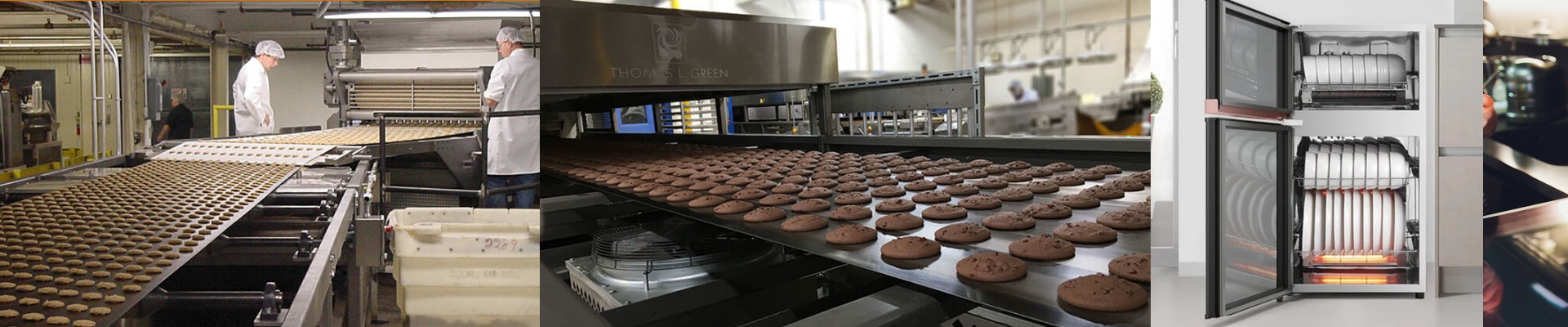
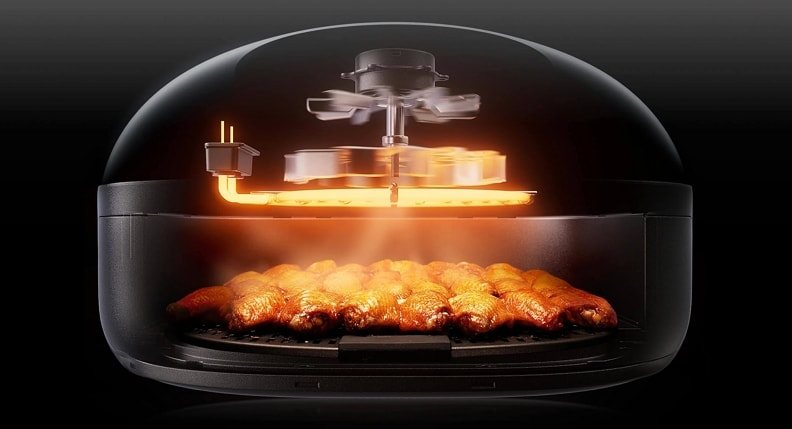
If your rotary oven is struggling to hit the right temperature—or worse, you’re getting those annoying cold spots—you don’t necessarily need a new machine. Usually, it just means your heating elements are tired. They’ve worn out. We make 220V infrared heating bulbs specifically to fix this. Instead of spending a fortune on a full system overhaul, you just swap out the old, dying tubes for ones that actually put out the heat you need. The nitty-gritty on power Most of these industrial setups run on 220V. For us, it’s all about the wattage-per-centimeter. The higher that number, the faster your oven ramps up. And faster ramp-up means your cycles finish quicker. But here is the catch:**the fit has to be perfect.**If your bulb is off by even 5mm, it won’t sit right in the socket. That leads to uneven heating, and nobody wants a product that’s half-baked. Quartz and the “Wave” question We use high-purity quartz glass because it can handle the shock of being turned on and off rapidly without cracking. Depending on what you’re baking or curing, you’ll want either short-wave or medium-wave emitters. Short-wave digs deep into the product. Medium-wave stays mostly on the surface. And don’t worry about the wiring. We can customize the ends—whether you need specific lead wires or standard plugs—so you can just plug them in and get back to work without rewriting your entire electrical map. A quick word of caution These are drop-in replacements, which makes them easy. But if you’re tempted to jump to a much higher wattage to fix a “weak” oven, hold on a second. More power means more current. If your old cables aren’t thick enough or your fuses are dated, you’re asking for trouble. You don’t want to overheat your terminals or fry your controllers. Just double-check your power supply capacity before you go for the high-wattage upgrade. It’s a small step that saves a huge headache later.