Why You Actually Need Explosion-Proof Quartz Glass in Wet Spots
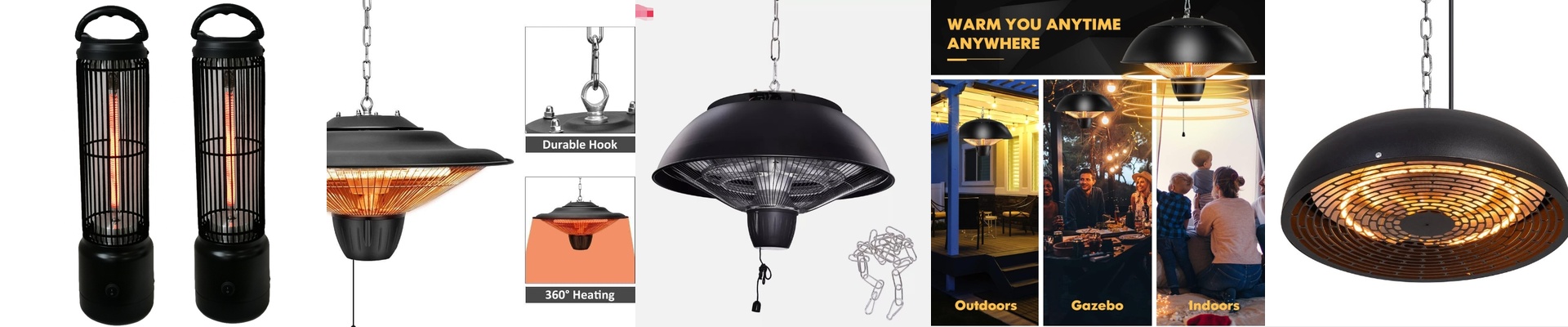
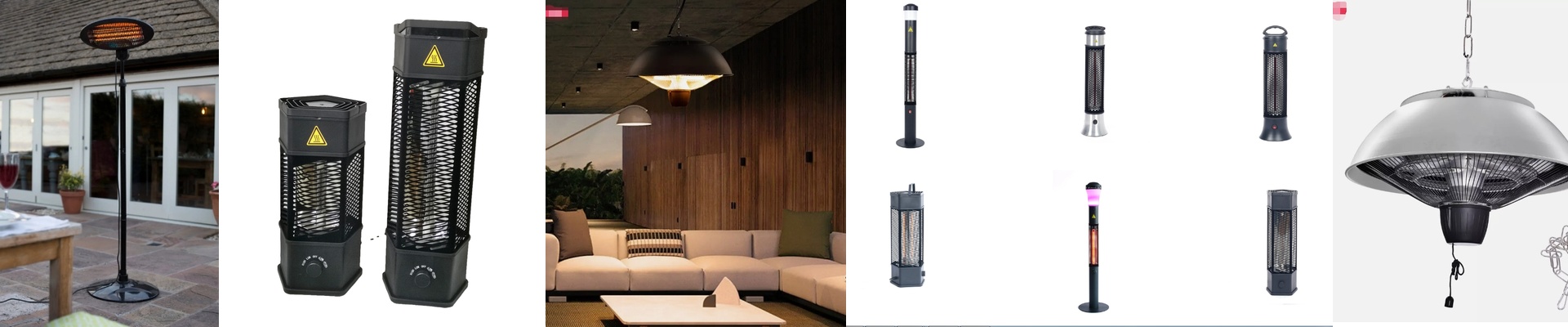
Imagine you’re installing an infrared heater in a bathroom or an outdoor shower. It feels like a luxury upgrade until you realize the physics at play. You’ve got a heating element screaming at several hundred degrees, and then—bam—a cold drop of water hits it. Standard quartz glass just can’t handle that. It’ll crack. Every single time.
The “Thermal Shock” Problem
Here is the thing about quartz: we love it for infrared lamps because it lets the heat pass right through without soaking it up. But it has a weakness. When a tiny, cold droplet hits a scorching hot tube, the temperature in that one specific spot plummets. This creates a massive amount of stress inside the glass. If that glass isn’t treated or tempered, it doesn’t just crack—it shatters. That’s where explosion-proof quartz comes in. We use these tubes because they’re built for those wild temperature swings. And if the worst happens and one does fail? It’s designed to crumble into small, dull pieces instead of spraying shards across the room.
Getting the Setup Right
Once you’ve got the right glass, you still have to worry about the rest of the build. These lamps usually sit in waterproof housings, and you’ve got to make sure those seals are tight. Because if water leaks into the electrical terminals, you’re looking at a short circuit. Not a great way to start your morning shower. Also, keep an eye on your fixtures. These lamps put out a ton of heat instantly. If you try to save a few bucks by using cheap plastic housings, don’t be surprised when they start to warp or melt.
The Trade-off
Now, let’s be real: explosion-proof quartz costs more to make. It also handles infrared waves a bit differently. You might notice a tiny dip in raw heat compared to those thin, lab-grade tubes. But honestly? That’s a small price to pay for the peace of mind knowing your heater isn’t going to blow up just because someone splashed a bit of water on it.