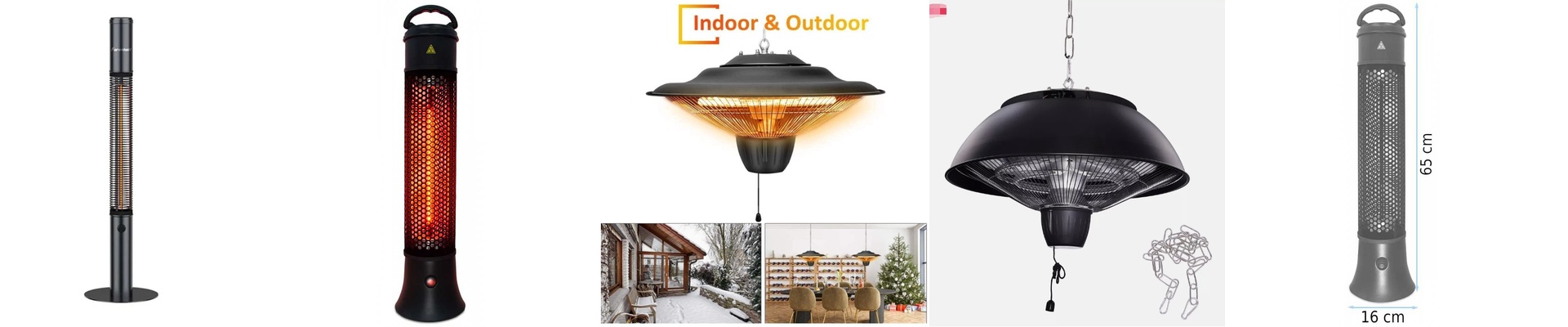
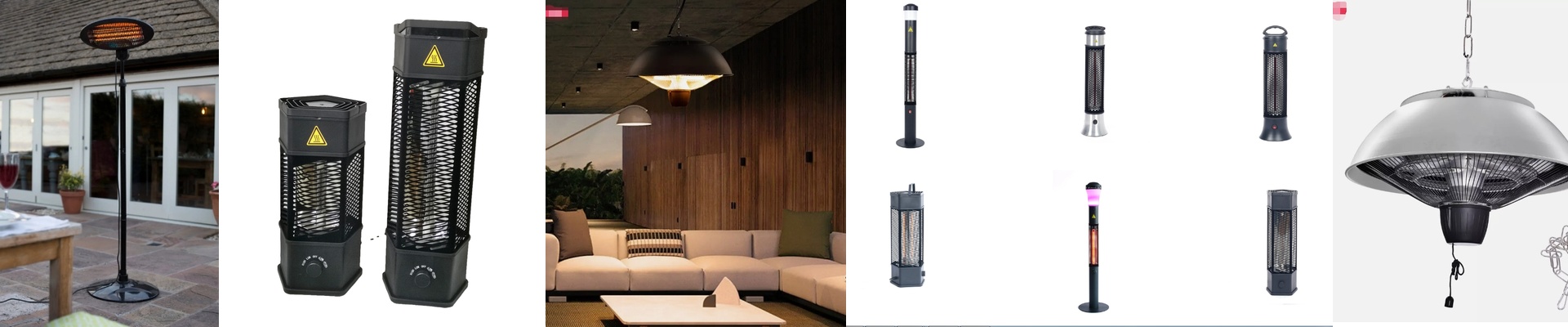
Keeping Your Bathroom Infrared Heaters Safe and Dry
Let’s be honest: bathrooms are a nightmare for electronics. Between the thick steam from a hot shower and the occasional direct splash, it’s basically a wet zone. If you put a standard heater in there, you’re just asking for trouble. You need something that hits theIP65 standard. In plain English? It means the guts of the heater are locked away from the moisture.
The Secret to the Seal
Getting a heater to be truly waterproof comes down to the gaps. We focus heavily on the seal where the lamp housing meets the wiring. We use silicone gaskets and sealed cable glands. Why? Because moisture is sneaky. It can actually “crawl” through wires via capillary action. If water finds a path from a live wire to the metal chassis, you’ve got a ground fault on your hands. To stop that, we tuck the heating element inside a sealed ceramic or quartz sleeve. It stays dry, and you stay safe.
Don’t Skimp on the Hardware
I’ve seen cheap heaters use plastics that just can’t take the heat. They warp. Once they warp, the seal breaks, and steam leaks right in. That’s why we use high-grade dielectric materials for the sockets. They hold their shape even when things get scorching. Plus, the wiring itself is rated for high-humidity environments so the insulation doesn’t just crumble over time.
The Trade-off (And how to handle it)
Here’s the thing: when you seal a heater this tightly, you lose some airflow. Because the unit is airtight, the outer casing is going to feel hotter than a heater that’s open to the air. It’s just physics. You’ll want to make sure your mounting brackets and wall materials can handle that “heat soak” without scorching. And don’t crowd them. If you pack these units too close together, you’ll likely trip the thermal cutoff. One last tip:Wire it to a GFCI. Even with an IP65 rating, a Ground Fault Circuit Interrupter is your safety net. It’s the final line of defense that keeps a small glitch from becoming a disaster.