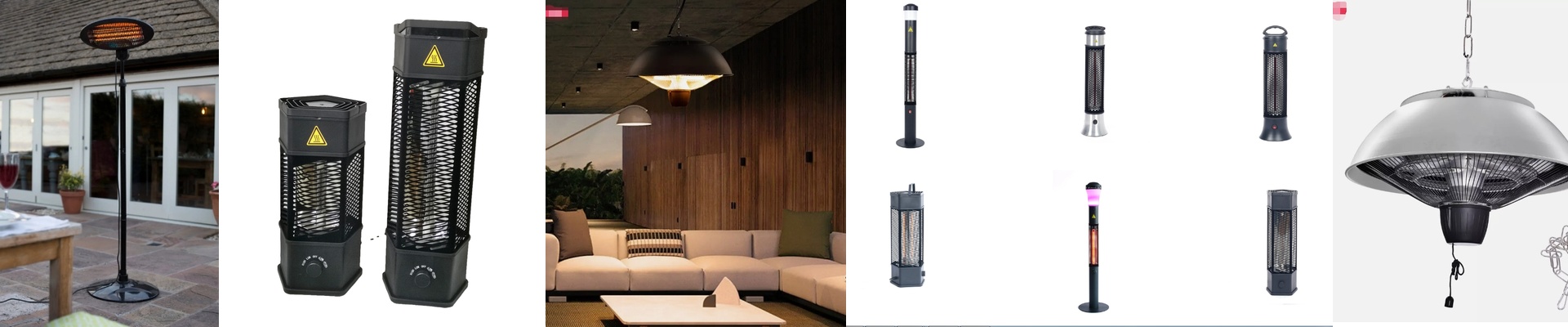

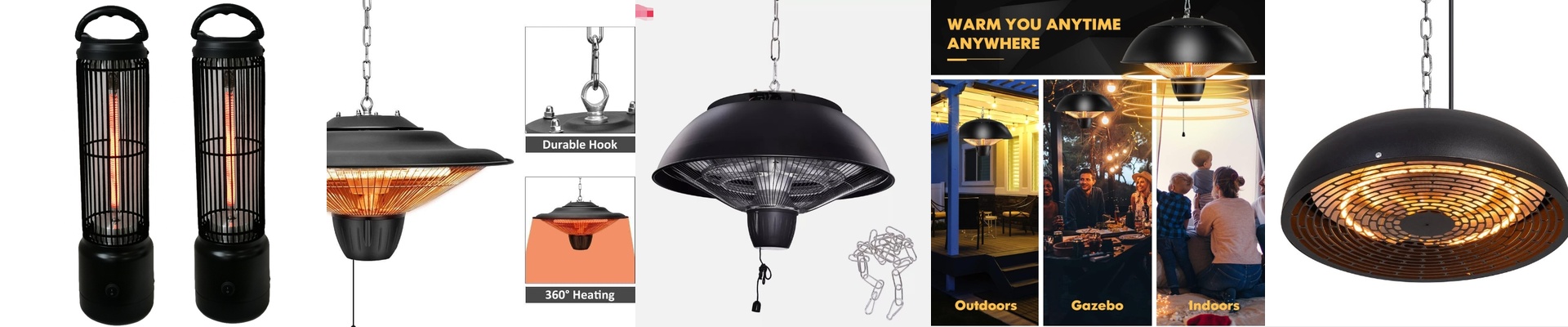
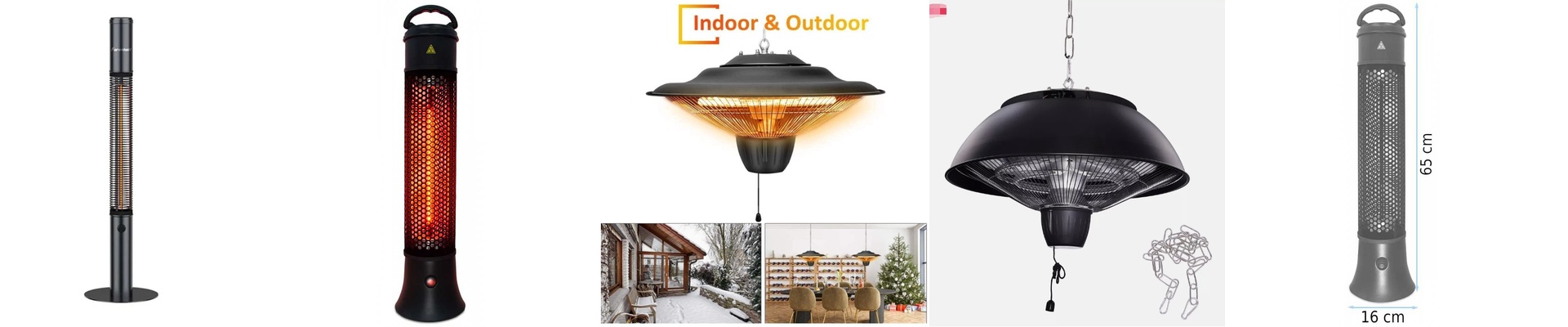
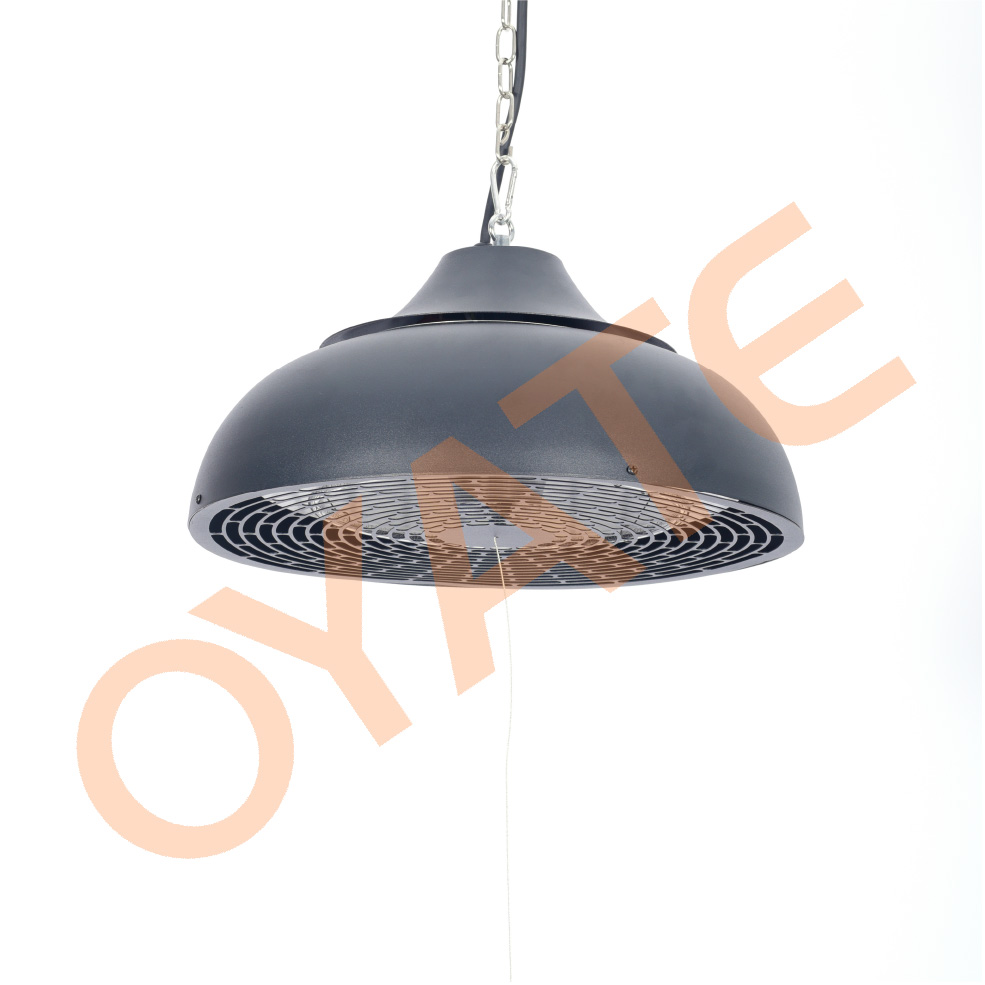
Why we’re ditching old lamp heaters for waterproof infrared
Ever used one of those old-school “light-warmers”? You know the ones—basically just a giant, power-hungry lightbulb. They’re honestly a waste. Most of the energy goes into making the room bright rather than making you warm, and they’re notorious for leaking. That’s why we’re seeing everyone switch to waterproof infrared heaters. They use these specialized, sealed housings (the IP-rated stuff) that keep the heating element totally separate from the chaos of the room.
It’s about how the heat actually hits you
Most heaters try to warm up the air. But if you’re in a drafty bathroom, that warm air just floats away the second a breeze hits. It’s frustrating. Infrared is different. It sends out waves that hit your skin and the walls directly.**You feel it instantly.**No waiting around for the room to finally warm up. We use quartz tubes filled with halogen gas to get things hot fast, keeping the heat exactly where you want it.
Dealing with steam and splashes
Water and electricity are a nightmare pairing. In a standard lamp heater, steam usually finds a way into the socket. That’s how you get short circuits or bulbs that burn out way too early. The high-spec infrared units fix this with tempered glass and tight gaskets. They’re built to handle splashes and heavy vapor without breaking a sweat. One heads-up, though: these things pull a lot of power. If your wiring is old or your breaker is too weak, you’re going to trip the power the moment you flip the switch. Make sure your electrical setup can actually handle the load.
The trade-offs
Here’s the catch. These units give you way more heat, but you have to be smart about where you put them. Since infrared works on a “line-of-sight” basis, you can’t just hide it behind a partition or mount it way too high on the ceiling. If you can’t see the heater, you won’t feel the heat. And no, you can’t just screw these into a regular light socket. You’ll need a dedicated waterproof housing and proper grounding. It’s a bit more work to install, but the hardware lasts way longer than those fragile old bulbs. It’s worth the extra effort.