Stop Waiting for Your Oven to Warm Up
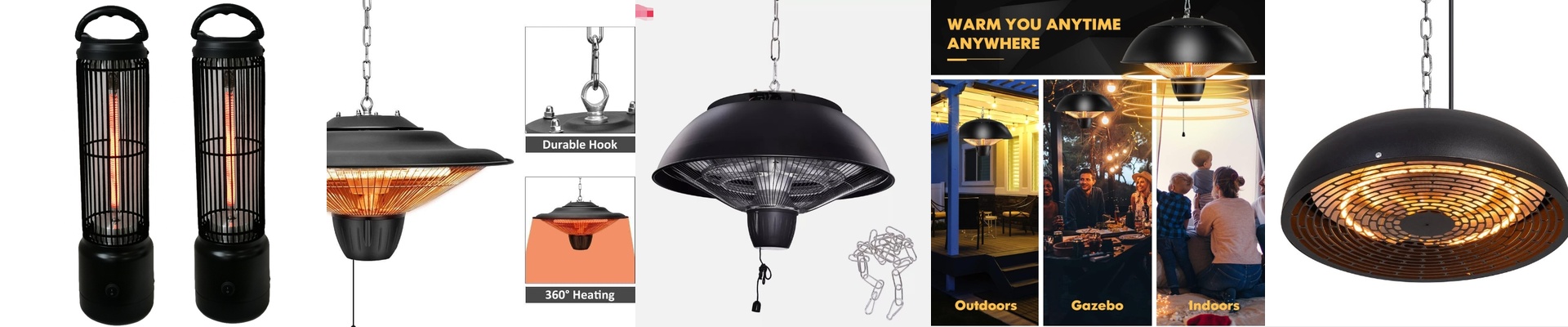
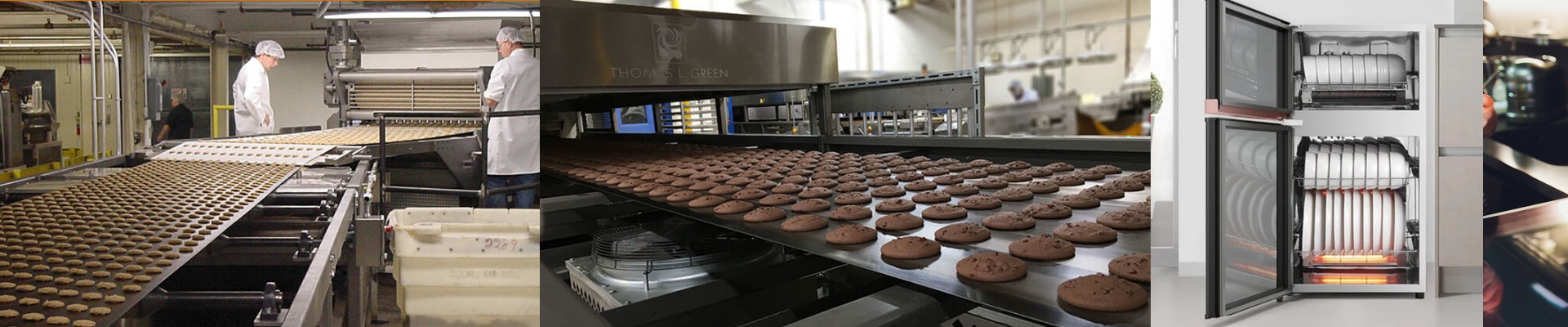
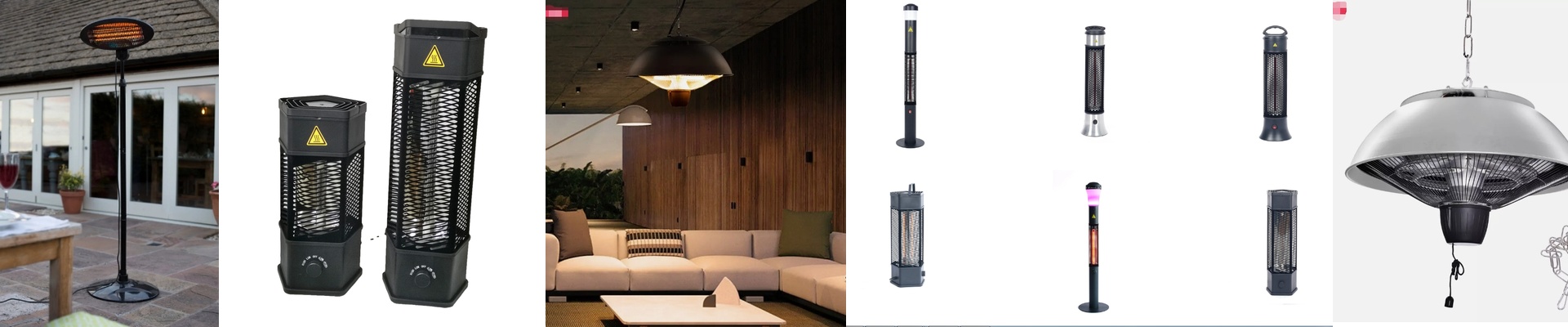
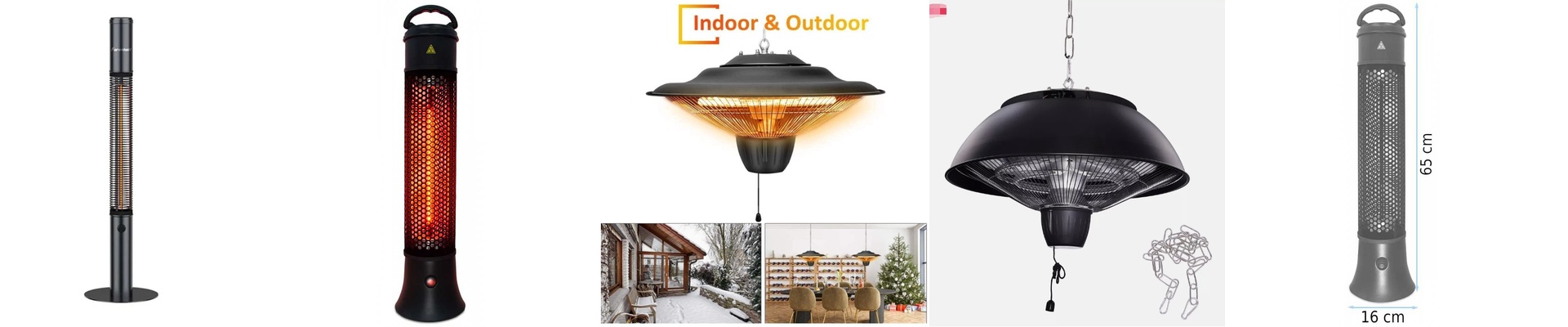
Anyone who’s spent time on a production line knows the frustration of the “preheat crawl.” You’ve got everything ready to go, but you’re stuck waiting on a convection oven that takes forever to get up to speed. It’s a bottleneck that kills your momentum. The problem is that these ovens spend way too much time heating up the air around the part. It’s inefficient. That’s where adding an infrared (IR) heat bridge comes in. Instead of warming the whole room, you’re hitting the part itself. It’s fast. Really fast. While standard coils are slow and steady, IR lamps use short-wave radiation. Think of it like stepping into the sun on a cold day—you feel the heat instantly. By putting these lamps right at the oven entrance, you hit your target temperature in seconds. Suddenly, your whole line can move faster because you aren’t babysitting a slow warm-up.
Getting the Setup Right
When we build these, we focus on power density. We use high-wattage quartz tubes because they react instantly. The quartz is the secret—it lets the filament get screaming hot without melting the rest of the housing. One practical tip: make sure your voltage matches your plant’s grid. Nobody wants to deal with bulky, annoying transformers taking up floor space. If you’re already on a high-voltage setup, you can keep the current draw low while still getting a massive spike in heat. We use standard connectors, so you can basically just drop these into your existing line.
The Reality Check
Now, this isn’t some magic fix that works without effort. You have to be careful. Because short-wave radiation is so intense, your shielding has to be spot on. If you crank up the wattage too high without zoning it properly, you’ll end up scorching the surface of your part before the inside even gets warm. And don’t forget the fans. These lamps put out a lot of heat, and if your cooling isn’t up to the task, you’re going to fry your wiring. The best way to handle this? Pair it with a PID controller. It lets you dial in the power so you don’t overshoot your temperature. It keeps everything steady and predictable as the parts move across the bridge.