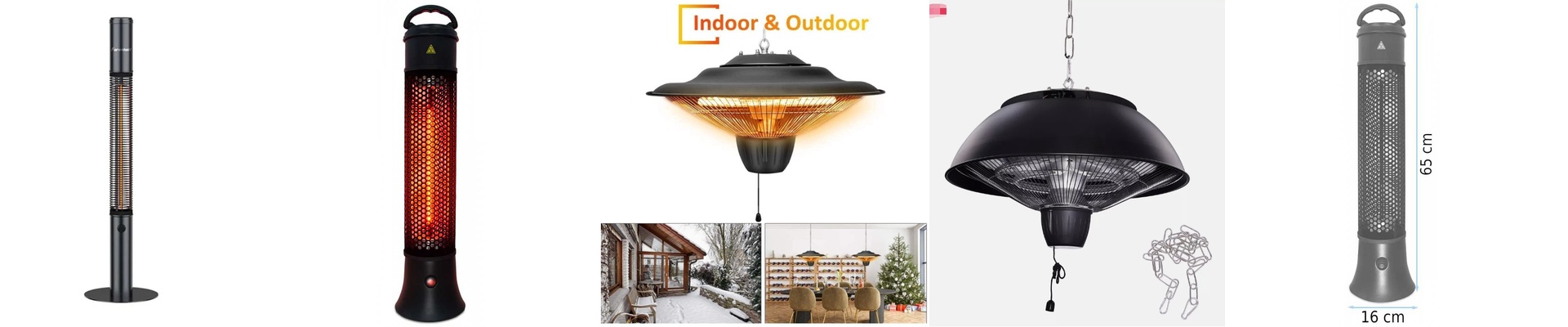
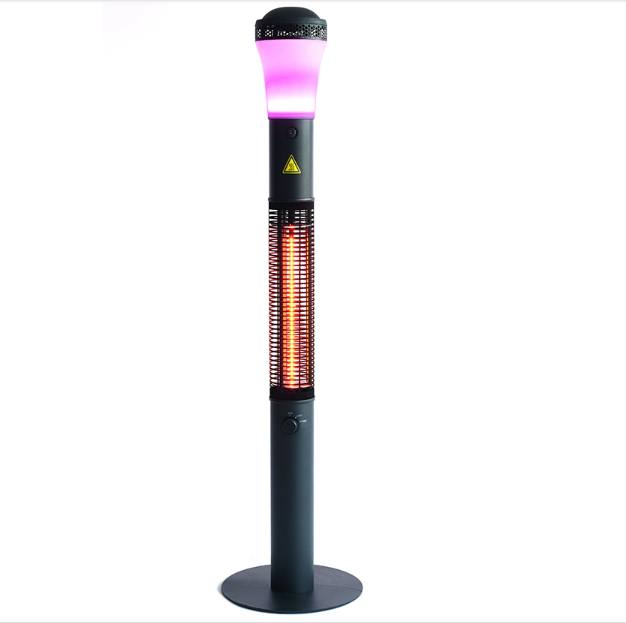
Stop Letting Your Patio Go to Waste This Winter
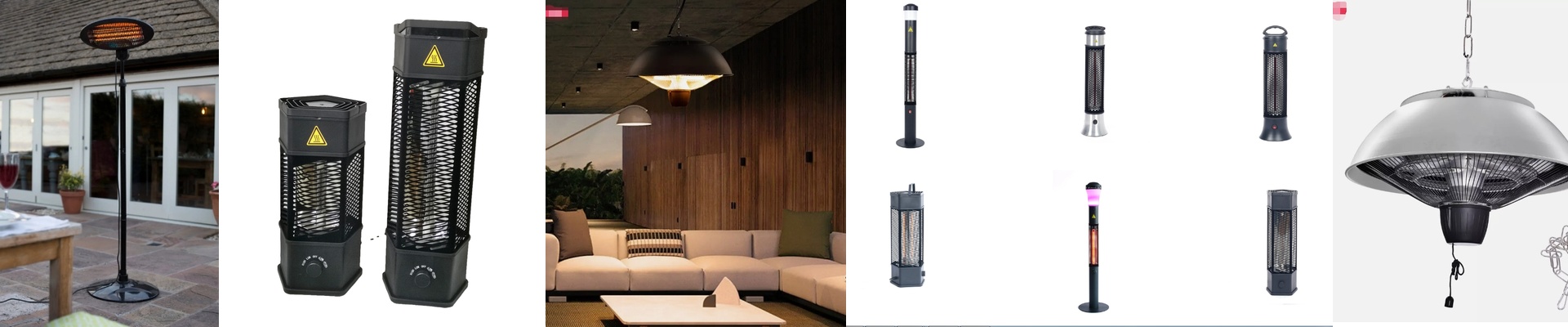
It’s a classic problem. You’ve got a great outdoor space, but the second the temperature drops, those tables sit empty. Most people try to fix this with those big forced-air heaters, but here’s the thing: in an open-air setup, the wind just steals the heat before it ever reaches your guests. You’re basically paying to heat the sidewalk. That’s why we stick with shortwave infrared. Instead of trying to warm up the air, it beams heat directly onto your customers and their chairs. It feels like sitting in the sun on a crisp October day. And because it doesn’t rely on the air, a breeze won’t blow your investment away.
Dealing with High Ceilings
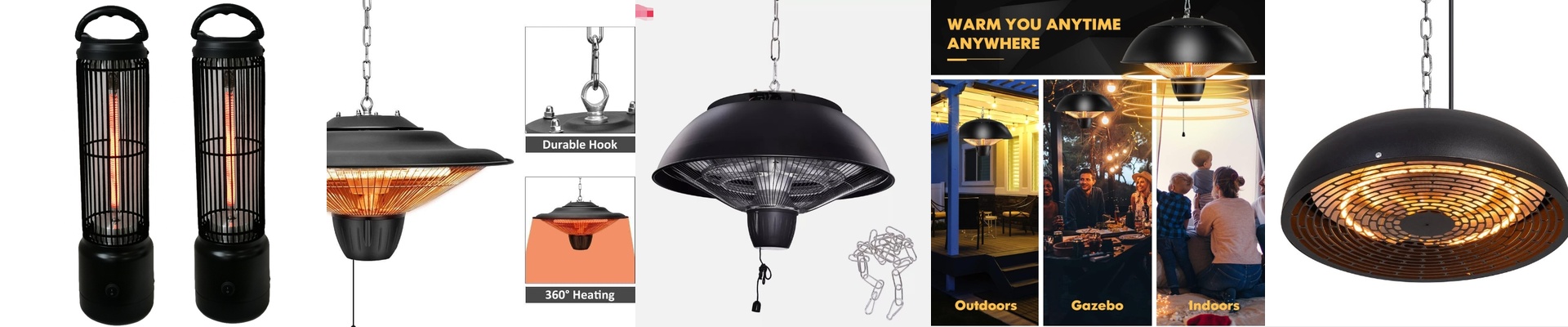
If your heaters are mounted high up—say, over 10 feet—you’ve got a bit of a challenge. Heat likes to scatter. If you just throw up standard units, the warmth disappears into the sky before it hits the table. To fix that, we use high-wattage emitters with focused reflectors. Think of it like a flashlight instead of a lantern; it narrows the beam so the heat actually lands where the people are. When you get the power right, guests feel that warmth the second they sit down. That’s the secret to keeping people happy. When they aren’t shivering, they stay longer. And when they stay longer, they order that extra round of drinks or a dessert they weren’t planning on.
The Nitty-Gritty on Gear
We usually go with quartz-halogen tubes. Why? Because they’re fast. Really fast. They hit full temperature in seconds, so you aren’t waiting around for the patio to “warm up.” Plus, you can set these up on a zoned system. If you only have two tables filled, you can dim the heat. If it’s a packed Friday night, you crank it up. One heads-up, though: these things are power-hungry. A big array of infrared heaters puts a lot of pressure on your electrical panel. You’ll want to make sure your wiring and breakers can handle the load. There is nothing worse than having your power trip right in the middle of the dinner rush.
Making the Math Work
Turning a seasonal terrace into a year-round spot is just smart business. You’re already paying for the lease on that square footage—you might as well make it make money every single night of the year. The cost of the equipment pays for itself pretty quickly when you start adding more covers to your nightly total. Just make sure whoever installs them mounts them securely. These units need to handle the wind and the weather without budging.