Keeping Babies Warm Without the Harsh Glare
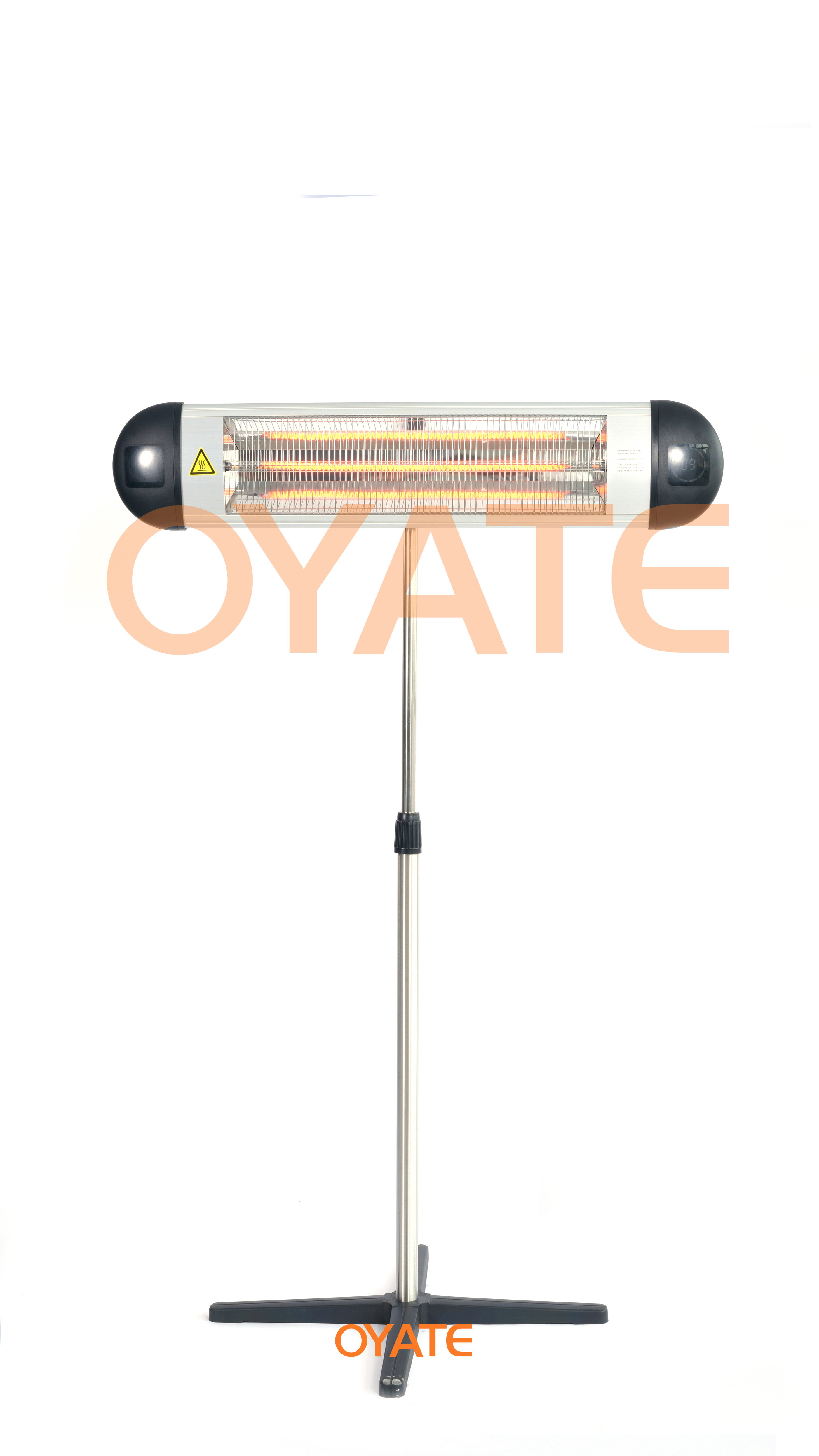
When you’re designing a heater for a nursery or a bathroom, you can’t just crank up the heat and call it a day. It’s not about raw power; it’s about being gentle. Standard infrared lamps are way too intense. They put out a lot of visible light and UV rays that can be hard on the eyes. For a newborn, whose eyes are still developing, that kind of brightness is just too much. Cutting the glare Nobody wants a heater that feels like a spotlight in a dark room. To fix that “blinding” effect, we use special coatings and filtered quartz. Think of it like sunglasses for the lamp. These filters block out the harsh light but let the warmth—the mid-to-long wave radiation—slide right through. You get all the cozy heat you need to keep a baby warm, but the light stays soft and subtle. We keep things in the 700nm to 2500nm range because it hits the skin just right without hurting the eyes. Safety first, always We also have to make sure the heat doesn’t bunch up in one spot. A “hotspot” is a nightmare when you’re dealing with delicate skin. To stop that, we use a diffused reflector. It basically spreads the warmth out evenly so it feels like a soft blanket rather than a laser beam. And the housing? We use high-temp polymers. That way, if a parent accidentally brushes against the chassis, they aren’t getting burned. The trade-offs Here’s the thing: when you filter out the light, you lose a bit of efficiency. Because we’re blocking those specific frequencies, you might need a slightly higher wattage to get that same “toasty” feeling you’d get from a clear bulb. It also takes a little longer to warm up. These aren’t like halogen tubes that snap to full heat instantly. It’s a slower burn, but it’s worth it for the peace of mind. One last tip: if you’re using a high-frequency dimmer, just double-check that your driver can handle the load. You don’t want the light flickering while you’re trying to soothe a baby to sleep.