Introduction
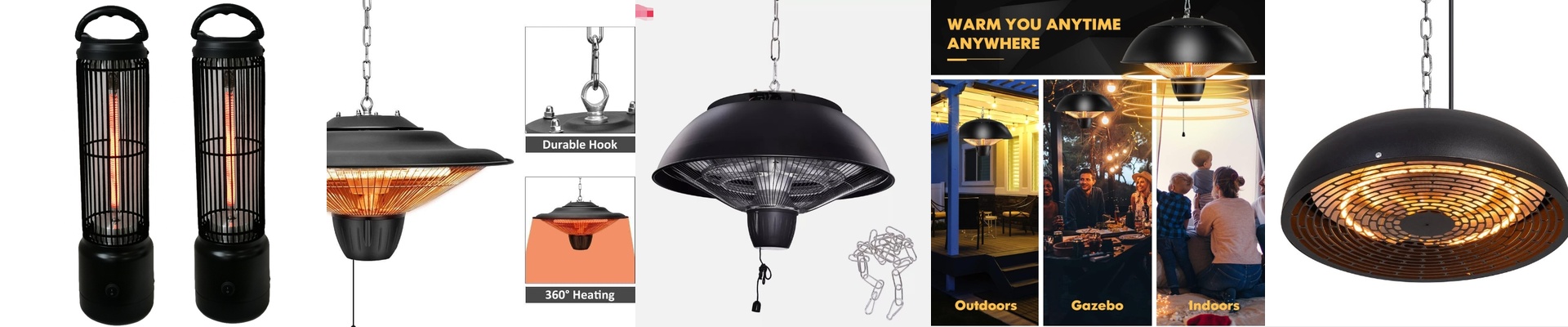
Picture this: you’re running a tough industrial job, and steady heat isn’t just nice to have—it’s the whole point. That’s exactly why we built these oil-filled radiator heaters. At the heart of it, you’ve got an enclosed heating element sitting inside thermal oil. It spreads heat through both convection and radiation, giving you predictable, controllable warmth. No surprises, no hot spots. Just dependable heat that keeps your process humming, without the heating element ever being directly exposed to what you’re working on.
What Makes Them Tick
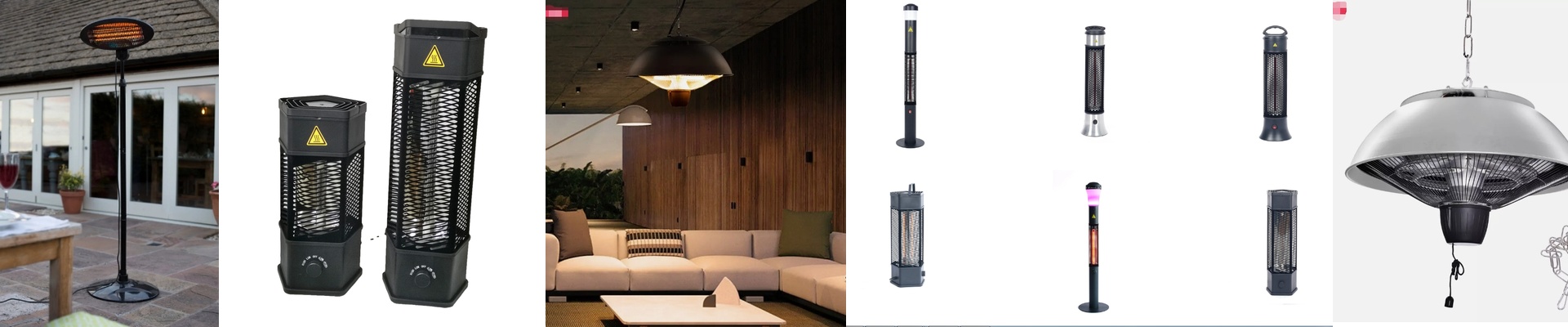
Let’s get into the guts of how these heaters slide into your setup. We make them to run on the power you already have—230V or 400V. And we size the wattage to match your heat needs, anywhere from 1000W up to 2500W. No one-size-fits-all here. As for size, we keep things compact. A 300mm length gives you a small footprint for tight spaces. But when you need to cover a bigger area, we’ve got longer versions—600mm and 900mm—that spread the heat evenly across the whole zone. The oil reservoir and metal housing do the heavy lifting, making sure the heat distributes smoothly. You get consistent temperature across your target, not just a blast of heat in one spot.
The Inside Story
Inside, the heating element is sealed tight in quartz. The whole thing is filled with halogen gas, which keeps the filament temperature stable and stretches out the heater’s lifespan. We also add a reflective coating on the quartz. It pushes the infrared energy forward, so more heat goes right where you need it—onto the workpiece—and less gets wasted into the surrounding area. Then there’s the wiring. We use an R7s connector because it’s secure, built for high heat, and easy to swap out on the line. That means less downtime and quicker service when you need it.
Where They Shine
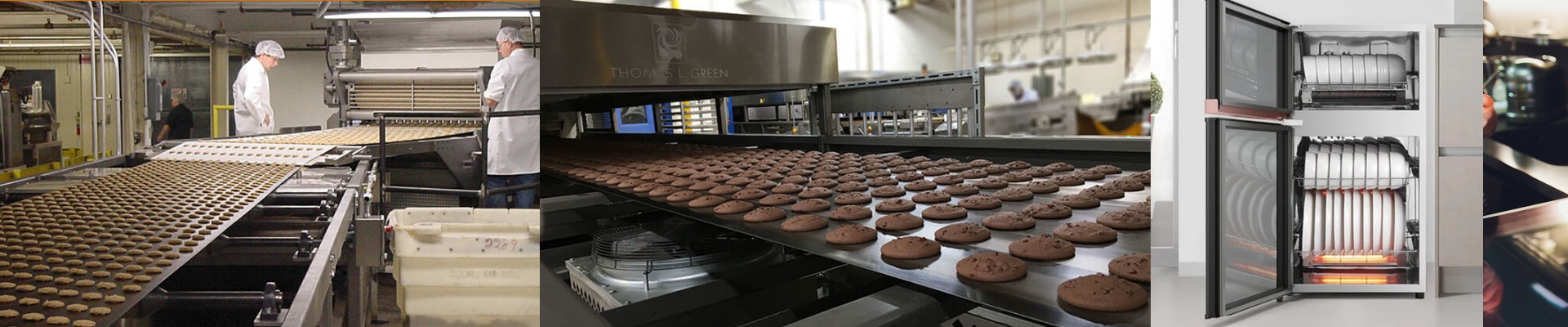
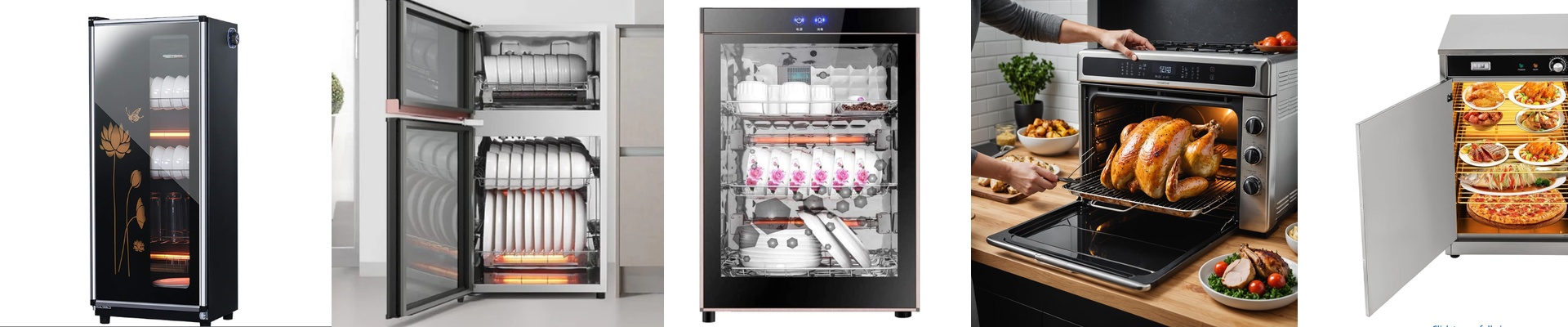
These heaters are your go-to when you need a lot of heat in a small space. Think plastic preheating, adhesive curing, or drying components. The sealed build keeps contaminants out and stands up to the constant heating and cooling cycles. Now, a heads-up: with that kind of power density, you do need proper cooling and thermal management around the heater. That keeps everything in check and prevents the surrounding area from getting too hot. And here’s the best part—we design these heaters to drop right in as a replacement. So you can keep your process temperatures steady without having to tear apart the whole assembly.