Stop Drying Out Your Food: Why We Use Infrared in Convection Ovens
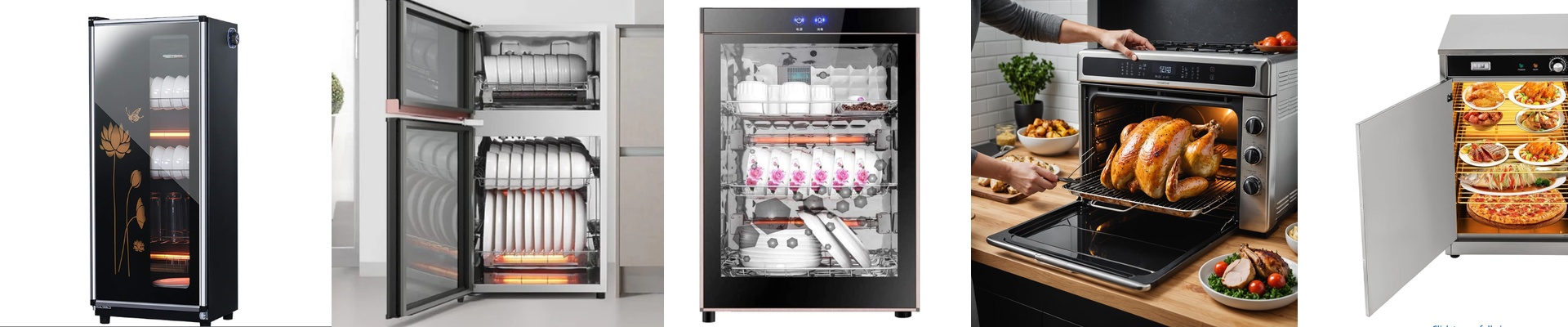
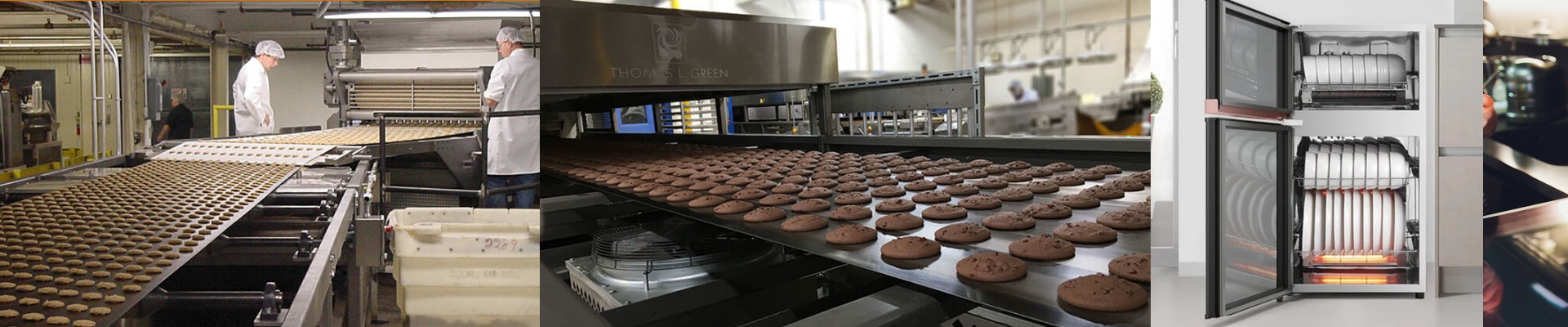
Ever notice how standard convection ovens just… suck the life out of your food? It’s because they rely on forced hot air, which is great for some things, but it tends to strip away moisture before the food is actually done. We found a better way. We started adding infrared (IR) heating lamps into the mix. Think of it like this: convection heats the air, and then the air heats the food. IR skips the middleman. It sends energy straight to the surface of the food. This lets you get that perfect sear on the outside—locking in the juices—before the inside has a chance to dry out.
Getting the Heat Just Right
It all comes down to how much power is actually hitting the food. We use short-wave infrared emitters because they punch through the surface fast. Depending on what you’re cooking, we play around with the wattage and the distance between the lamp and the tray. If you want a quick thermal shock to create a crust (which basically acts as a shield for the moisture), you go high-wattage. It’s a bit of a balancing act, but it works.
The Nitty-Gritty Stuff
We don’t use cheap glass here. We use high-purity quartz to house the tungsten filaments because it can handle extreme temperature swings without snapping. Some of our lamps even have special coatings. These make sure the heat actually gets absorbed by the food instead of just bouncing off the oven walls. And a quick tip on the build: we stick to R7s or SK15 bases for the wiring. Why? Because loose connections cause arcing, and that’s a fast track to a burnt-out lamp. A tight fit is the only way to go.
The Trade-Off
Now, IR isn’t a magic wand. It’s incredibly intense, which means it can create hotspots if you aren’t careful. You can’t just turn on the lamps and walk away. You have to balance that IR heat with your fan speed. If the air isn’t moving enough, you’ll end up with a charred exterior and a raw center. To keep things from spiraling, we use fast-response PID controllers. It keeps the temperature steady so you don’t overshoot your target and ruin the batch.