A Smarter Way to Dry Your Bread: Infrared Heating
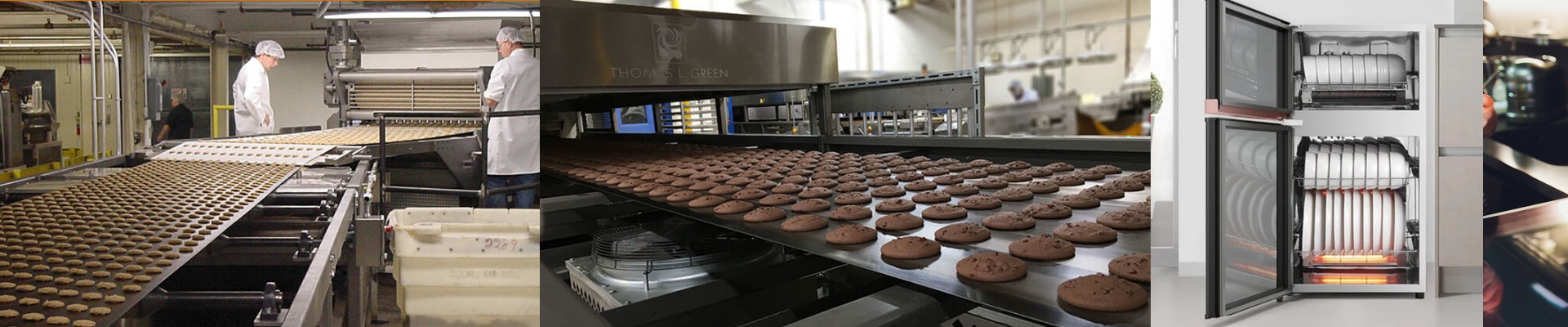
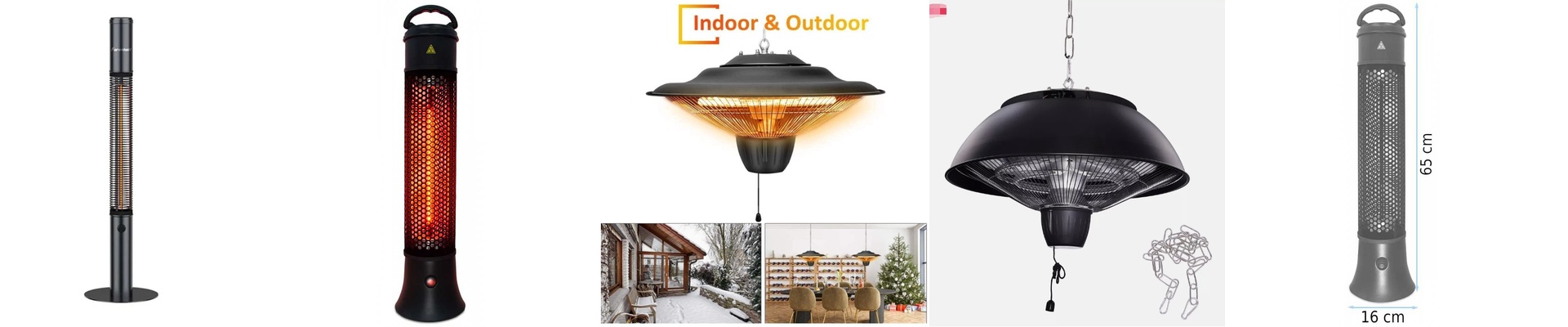
Everyone in the commercial baking world is talking about “green kitchens” right now. It sounds like a buzzword, but the goal is actually pretty simple: stop wasting energy without ruining the crust. Here’s the problem with standard convection or steam heating. You have to heat up all the air in the oven first. That’s a lot of energy just to warm up empty space. Infrared (IR) heaters flip the script. Instead of heating the air, they send electromagnetic waves straight into the dough. It’s direct. It’s fast. And it just makes sense.
How it actually works
When you’re in the drying phase of a steam oven, IR lamps do the heavy lifting. You aren’t sitting around waiting for the entire oven cavity to hit a certain temperature. The short-wave radiation just sinks right into the pastry. This kicks the surface moisture out quickly. The result? Your crust sets faster and looks better. Plus, because you aren’t fighting to heat a giant volume of air, you can get moving way sooner.
The “Gotcha” with Power Density
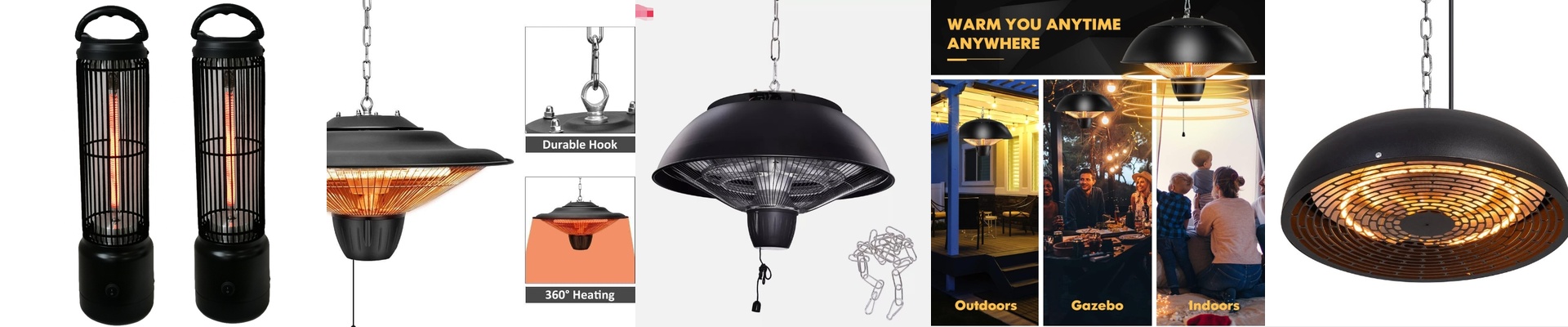
Now, if you’re spec-ing these out, you’ll be looking at wattage density. You want those high-wattage quartz tubes to keep up with a busy industrial line. But there is a catch. When you pump that much heat into a small space, your housing and wiring have to be able to take it. If you go too heavy on the wattage but skimp on the ventilation for your electronics, you’re going to fry your controllers. It’s a balancing act.
Making the workflow leaner
The real win here is that you stop leaning so hard on those massive, power-hungry boiler systems for constant steam. Try this: use steam for the initial rise, then switch to IR for the final drying and browning. It’s a hybrid approach that seriously cuts down your kWh per batch. For the engineers, this is great news because the heating assembly takes up less room. You can just wire these into your existing zones or add them as a separate drying stage. It’s a simple way to shave money off the energy bill and actually hit those emission targets without a total overhaul.