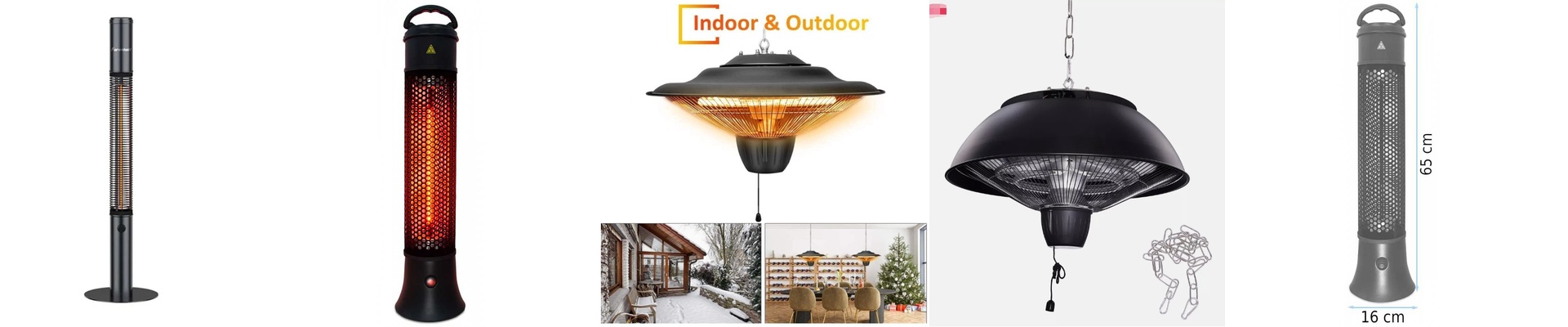
Why Your Outdoor Heater Actually Dies (And How We Fixed It)
Outdoor garden heaters live a pretty brutal life. One minute they’re blasting intense heat, and the next, they’re sitting in a damp, salty breeze. Most people think the heating element is what gives out first. But honestly? That’s rarely the case. The real culprit is almost always the lead-wire junction.
The slow burn
Here is what’s happening under the hood. In those cheap, consumer-grade heaters, the spot where the heating element meets the power cable is a massive weak point. When the heater kicks on, that heat doesn’t just go forward—it crawls backward along the wire. If the sealant isn’t built for that kind of constant thermal stress, it gets brittle. Then it cracks. Once you’ve got a crack, you’ve got a doorway. Humidity and salt air sneak right in, causing the wires to carbonize and eventually short out.Boom. No more heat.
Why we do things differently
We decided to stop using the generic silicone or heat-shrink tubing you find in budget builds. Those things just melt or peel away after a season or two. Instead, we use a multi-stage potting compound and high-temp fluoropolymer sleeves. Think of it as a heavy-duty shield. It keeps moisture far away from the terminals, but it’s flexible enough that the wire can expand and contract without ripping the seal open. Now, there is a trade-off here. Because this seal is permanent, you can’t just “unplug” a wire if something goes wrong in the field. You’d have to replace the whole lead assembly. It’s a bit more work to fix, sure. But it’s the only way to stop the wires from burning out in the first place.
The “Breathing” Problem
You’ll see an “IP65” rating on the box, which basically means it can handle dust and a few splashes of water. But water isn’t the only enemy. The real killer is something called the “breathing” effect. When the heater cools down, it creates a tiny vacuum that actually sucks moist air inside the housing. By sealing the junctions properly, we make sure the internals stay bone-dry even as the unit cycles on and off. It keeps the current steady and, more importantly, ensures the housing doesn’t become live. It’s just safer. And it lasts way longer.