Stop Fighting the Wind: The Secret to Warm Outdoor Dining
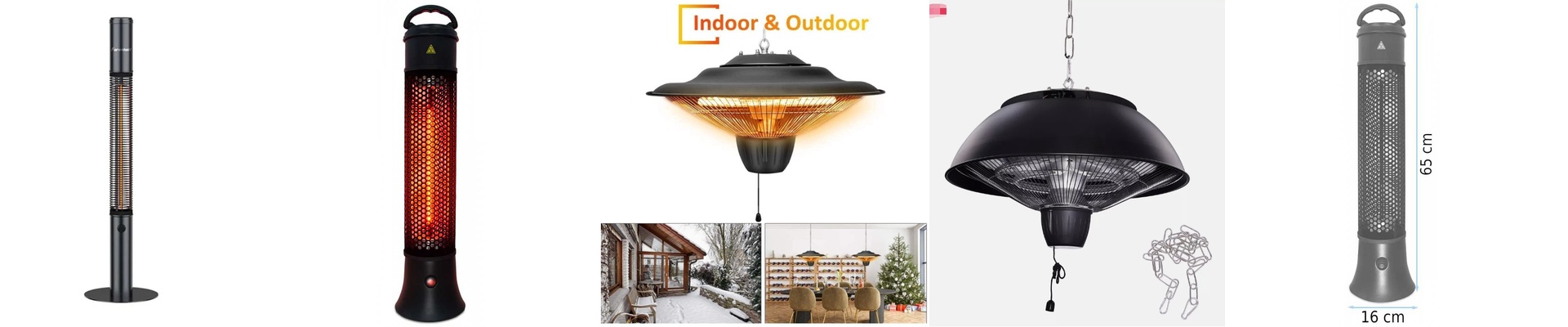
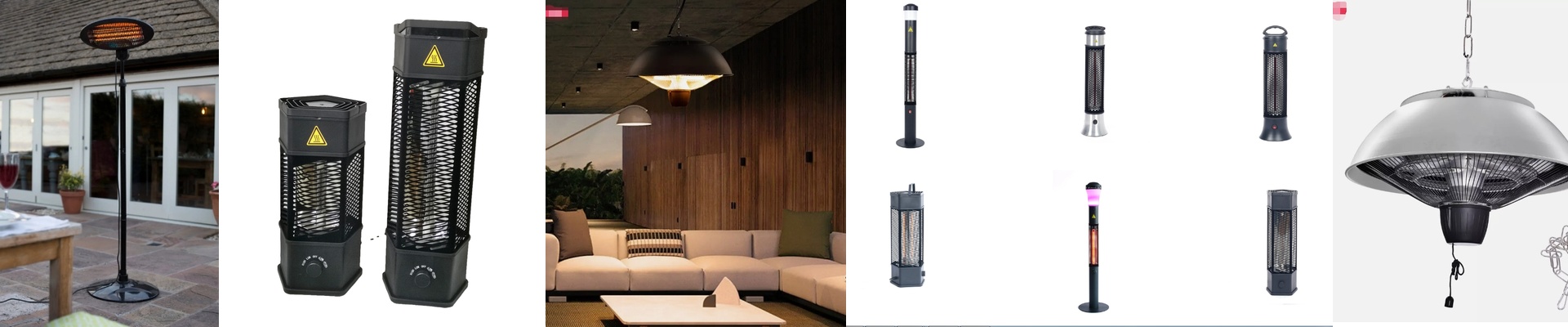
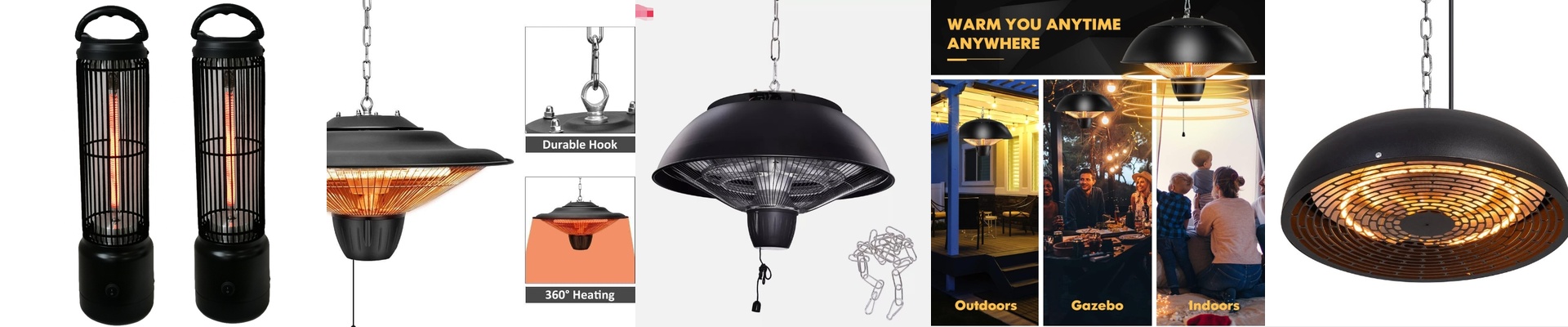
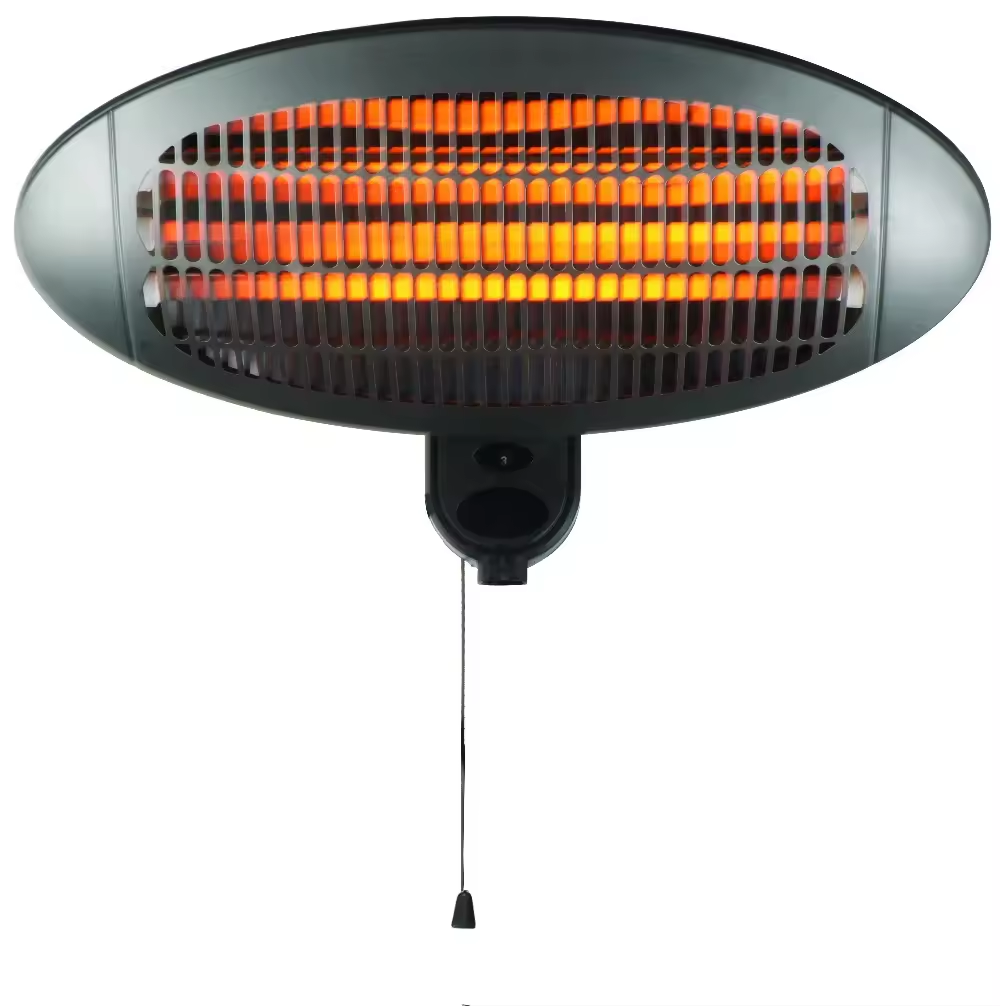
Let’s be honest: heating an outdoor patio is usually a losing battle. If you’ve ever used those big forced-air heaters, you know the drill. They pump out hot air, and then a slight breeze comes along and carries that warmth right away. You’re basically paying to heat the neighborhood. We do things differently. We use ceiling-mounted infrared (IR) heaters. Instead of trying to warm the air, these things send out waves that hit people and furniture directly. It’s like sitting in the sun on a crisp October morning. You feel it instantly.
Why the ceiling is the only way to go
If you want your guests to actually enjoy their meal, you have to put the heat overhead. Think of it as a “heat umbrella.” When a customer sits down, they’re immediately wrapped in warmth. It doesn’t matter if it’s windy or freezing outside; the heat is coming straight down on them. Now, there’s a catch. The higher your ceiling, the more power you need. If you’re mounting these way up high, we’ll bump up the wattage to make sure that warmth actually reaches the table and doesn’t just vanish halfway down.
Turning dead space into profit
A freezing patio in December is just wasted real estate. It’s a liability. But once you get a high-output IR array going, that space becomes a goldmine year-round. When people are warm, they stay. Simple as that. And here is the real win for your bottom line:table turnover. When a patio is “sort of” warm, people linger in that lukewarm haze for hours. But with a concentrated heat source, they stay comfortable enough to enjoy their meal and drinks, but they don’t feel the need to camp out all night. You keep the guests happy, and you keep the flow moving.
The “boring” electrical stuff (that actually matters)
Here is the part where things can go sideways. These high-wattage systems pull a lot of power. You can’t just find an empty wall outlet and plug them in. If you try to push too many kilowatts through a thin wire, you’re going to trip your breakers—or worse, overheat your circuitry right in the middle of a Friday night rush. We usually suggest dedicated circuits for every three or four units. It’s a bit more work upfront, but it means your system won’t burn out when the restaurant is packed and every heater is cranking.