
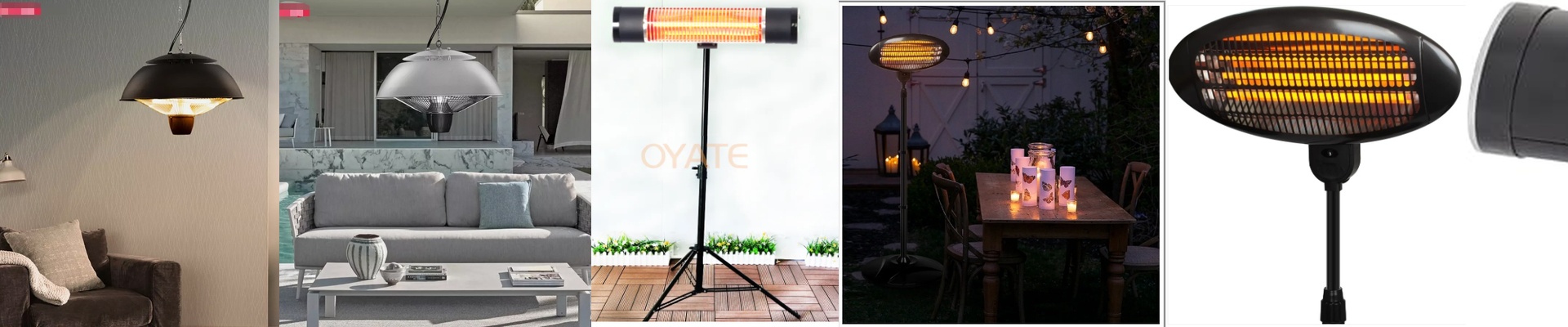

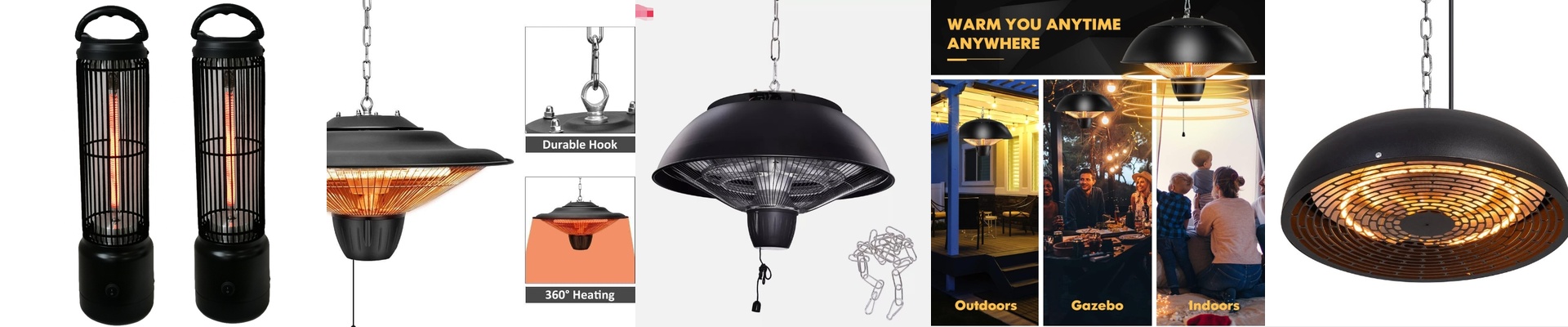


Why You Can’t Just Use Any Quartz Lamp in Your Bathroom
Let’s be honest: nobody likes stepping out of a warm shower into a freezing bathroom. It’s a shock to the system. To fix that, a lot of people look at infrared lamps. But here’s the thing—putting a high-heat lamp in a room full of steam is a bit like playing with fire. If you use a standard quartz tube, you’re asking for trouble. Imagine a tiny drop of cold water hitting a glowing hot piece of glass.**Pop.**That’s called thermal shock, and in a shower, it means your lamp shatters. Not exactly the “spa vibe” you were going for.
The Secret to “Explosion-Proof” Glass
When we talk about explosion-proof quartz, it sounds intense, but it’s actually pretty simple. It’s just glass that’s been engineered to handle those wild temperature swings. It doesn’t panic when a cold droplet hits it. And if the worst happens and it does break? It’s designed to crumble safely rather than sending shards flying across your bathroom floor. We also tuck these tubes into waterproof housings. This keeps the moisture away from the electrics. If you skip the seal on those connections, you’ll probably be dealing with rust and short circuits in a few months. Nobody wants that.
Heat That Hits Different
The best part about these lamps is the speed. You don’t have to wait for the air in the room to warm up. You feel that warmth on your skin the second you flip the switch. It’s instant. Just a heads-up: more power means more stress on the glass. If you cram a high-wattage lamp into a tiny ceiling fixture, the heat has nowhere to go. If there’s no venting, you might find your plastic brackets warping or melting over time. Give the lamp some room to breathe.
Getting It Installed Without the Headaches
If you’re wiring this up, please—use heat-resistant cables. Standard PVC wire can actually melt if it touches the housing while the lamp is cranking. Also, don’t trust a “waterproof” label blindly. Check your IP rating and make sure that junction box is sealed tight. The most important bit?**Use a GFCI circuit.**It’s the only way to make sure the power cuts instantly if a seal fails. It’s a small detail that keeps everything safe.