Getting Warm Fast, Even When It’s Soaking Wet
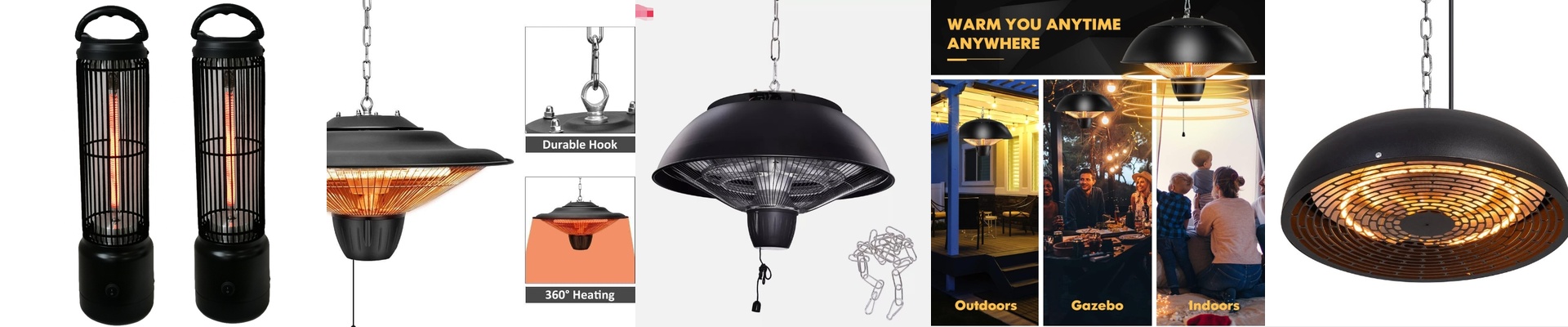
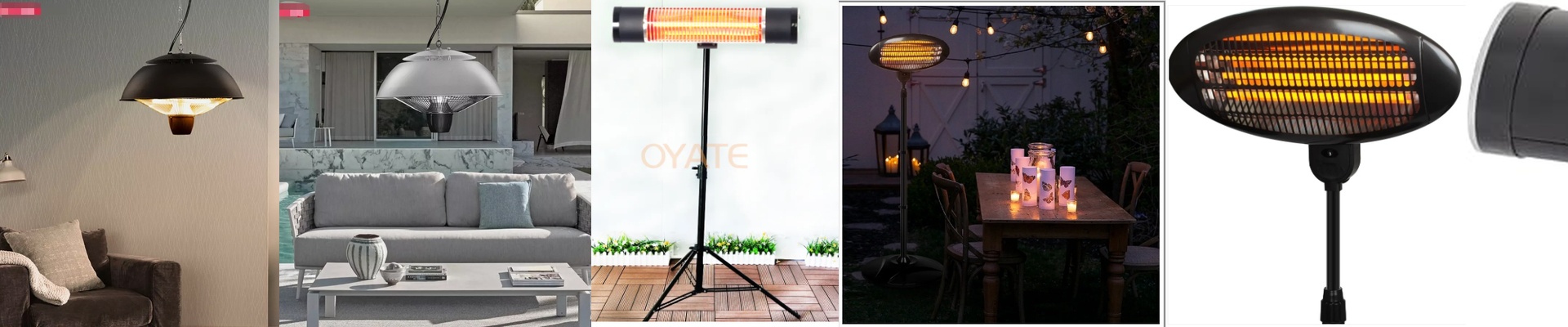
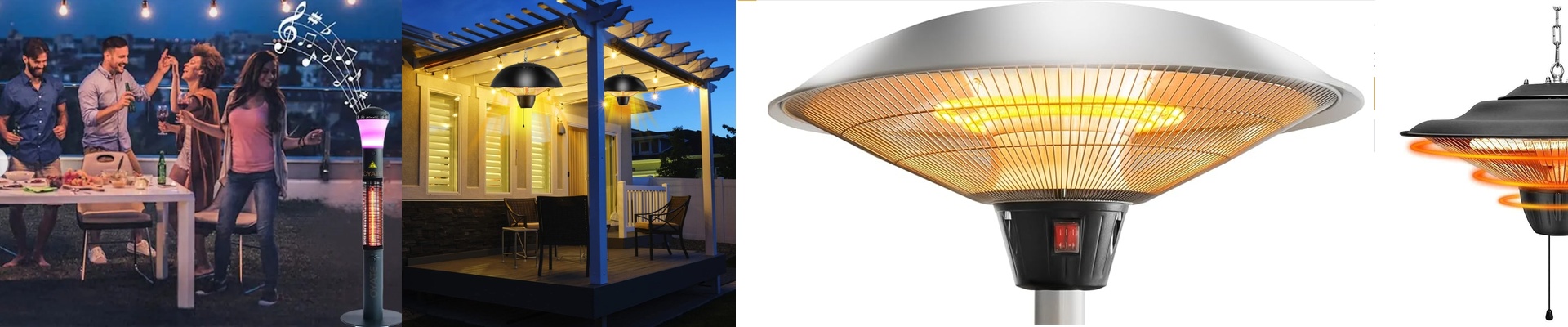
If you’ve ever tried to warm up a cold changing room or a steamy spa area with a standard heater, you know the struggle. You’re basically trying to heat the air, which takes forever. By the time the room feels warm, the person you’re trying to help has already frozen. That’s why we don’t bother with the air. We use short-wave infrared. It works more like the sun—the heat travels in a straight line and hits your skin directly. You feel it the second you step under it. No waiting around.
Keeping the Water Out
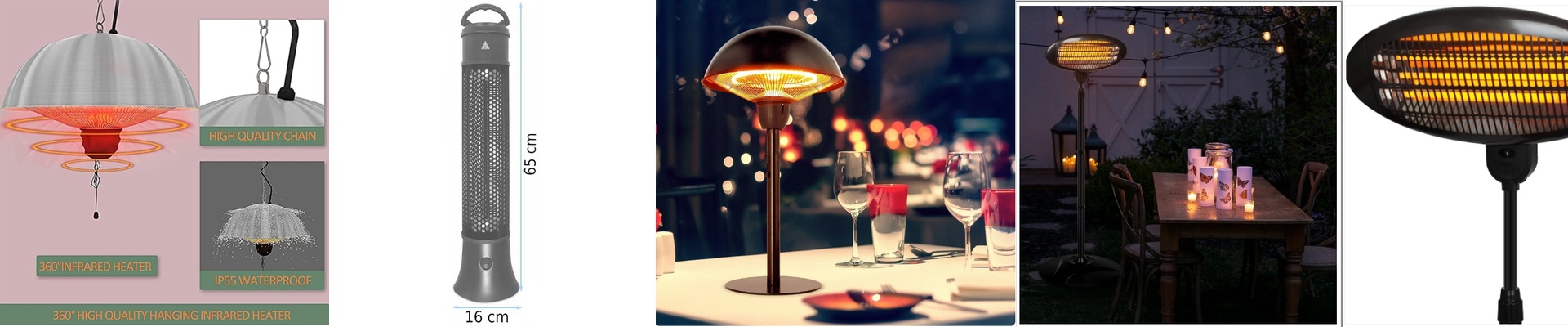
In a spa or a locker room, steam and splashes are the enemies. They kill electronics. To stop that from happening, we use an IP65 rating. In plain English? It means the housing is tight enough to keep out dust and can handle being hit with water jets without breaking a sweat. We seal every junction and the housing itself so you don’t have to worry about a short circuit ruining your day. Inside, there’s a quartz halogen tube. We’ve added a specific coating to it so the heat is absorbed better by the body. Most of these run on standard power, but if you need a real blast of heat, we can bump up the wattage. Just a heads-up: high-wattage lamps gethot. Really hot. Make sure whatever you’re mounting them to can handle the heat without warping or melting.
The Nitty-Gritty of Setup
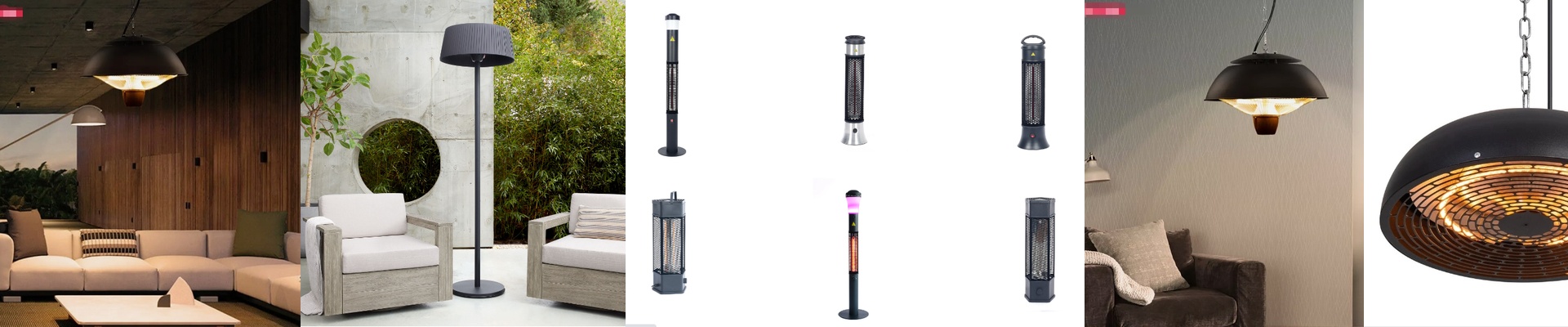
We keep the hardware simple. We use standard connectors—like R7s or specific pins—so these are basically drop-in replacements. They fit securely, so you don’t have to worry about them rattling loose over time. We also use polished aluminum reflectors. This pushes all that heat down toward the floor where it belongs, instead of wasting energy heating up the ceiling.
The Catch (And How to Fix It)
Here’s the thing about infrared: it’s directional. If you step out of the light, you lose the heat immediately. It’s not like a warm breeze that follows you. Because of that, one heater usually isn’t enough for a big room. You’ll end up with “cold spots” that make people miserable. The trick is to map out the floor and overlap the heat zones. And for goodness’ sake, hook them up to a timer. You don’t want these blasting away in an empty room—it’s a waste of power and can actually make the space feel stifling.