




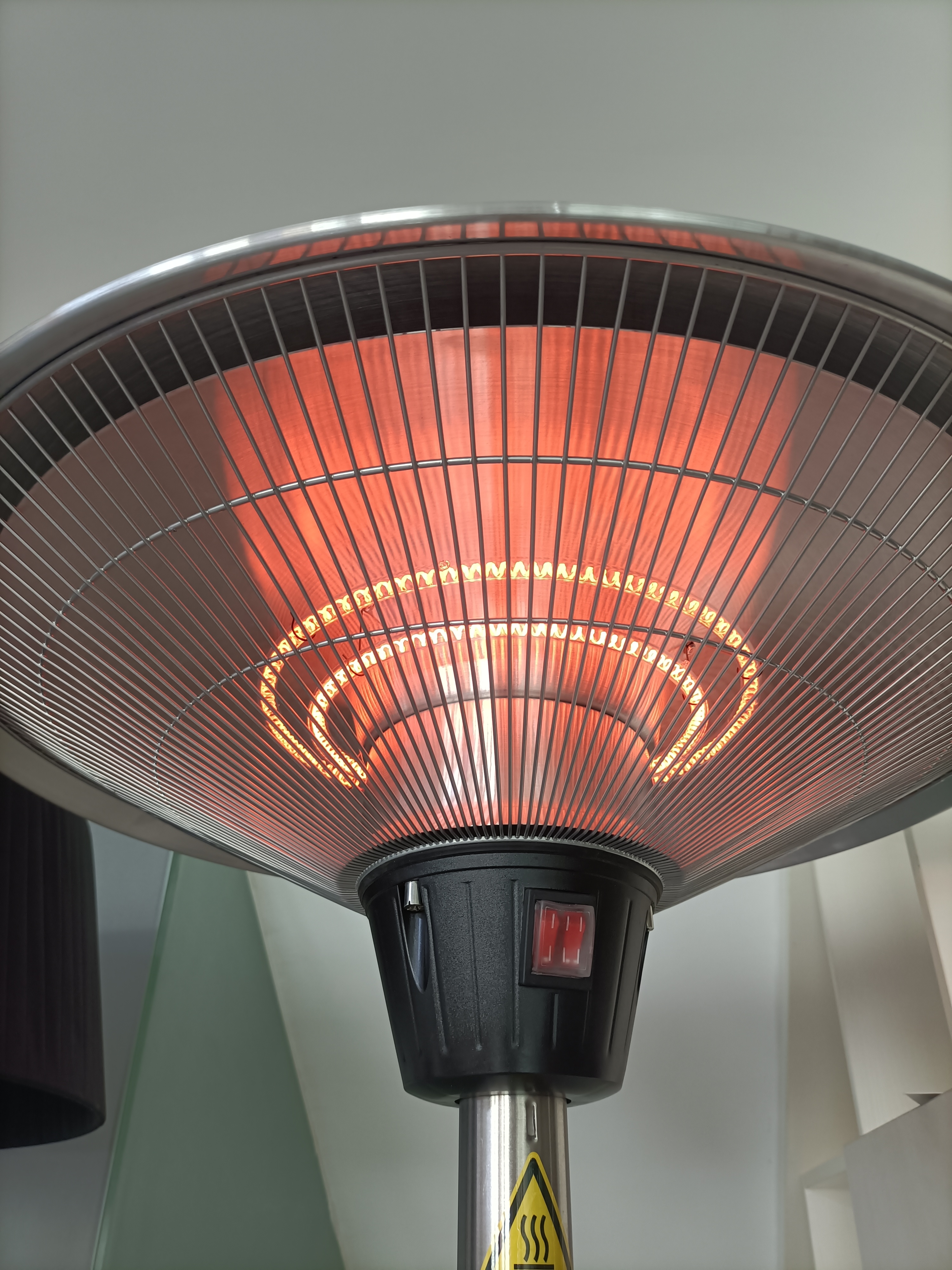
Keeping Your Bathroom Heaters Dry (and Safe)
Putting infrared heating lamps in a bathroom isn’t as simple as just plugging them in. You can’t just use your standard heating specs here. Once you add steam and water vapor to the mix, things get risky. You’re dealing with current leakage and short circuits, which is the last thing you want when you’re stepping out of a shower. You need a setup that’s completely sealed. Period.
Why moisture is the enemy
It’s basic science: water conducts electricity. In a steamy bathroom, condensation loves to settle right on the lamp housing and the electrical terminals. If your seals aren’t tight, that moisture creates a little bridge between the live terminal and the chassis.**Boom.**That’s how you get a ground fault. We avoid this by using heavy-duty dielectric materials and connectors that are hermetically sealed. If you try to use a standard open-socket design in a wet zone, you’re basically asking for a burnout—or worse.
How we actually keep the water out
To keep the electronics bone-dry, we stick with housings that have an IP65 rating or better. In plain English? It means the unit is dust-tight and can handle water jets without breaking a sweat. We use silicone gaskets and epoxy potting around where the wires enter the unit. This stops “capillary action”—that annoying thing where water actually climbs through the cable jacket and sneaks into your electronics. Then there are the quartz tubes. We use specialized end-cap seals to keep the halogen gas inside and the humidity outside. If those seals leak, the filament oxidizes and your lamp will pop in a matter of hours. Not a great look.
The trade-offs
Here’s the catch: total waterproofing makes things bulkier. You’ll notice the heater head is a bit larger to make room for all those gaskets and seals. Plus, because the unit is sealed tight, it traps more heat inside. You’ve got to make sure your mounting bracket leaves enough room for airflow. If the waterproof shell blocks the cooling, your internal wiring could overheat. And for a bit of extra peace of mind? Wire everything into a dedicated GFCI. It’s that final safety net that keeps everyone safe.