
Getting Your Sterilization Cabinet Up to Temp—Fast
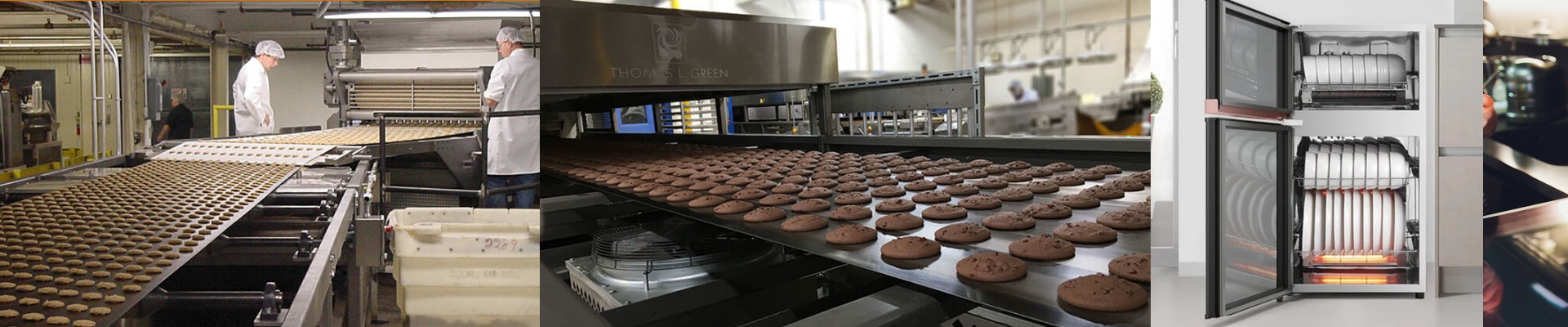
If you’ve ever dealt with cabinet sterilization, you know the struggle. You need to go from room temperature to peak heat in a matter of seconds. But standard resistive heaters? They’re slow. They take forever to “soak” the area, which just wastes time. To get that instant-on feel, we switched to short-wave infrared elements. Instead of wasting energy heating up all the air in the cabinet first, these blast energy directly onto the surfaces you’re actually trying to sterilize. It’s a huge difference.
Why it actually works
It all comes down to how much “stuff” is in the way of the heat. We use a high-wattage tungsten filament wrapped in a low-mass quartz envelope. Since the quartz doesn’t hang onto heat, the filament hits its operating temperature almost the moment you flip the switch. Pair that with a fast-switching PID controller, and you’re looking at a response time of seconds, not minutes. This kills that annoying “lag” that usually leads to either overheating the gear or, even worse, missing the sterilization mark entirely.
The trade-offs you need to know
We stick with high-purity quartz glass because it lets the IR light through without blocking it. If you’re working with specific materials that need a certain wavelength, we can add a thin-film coating to the tube to dial in the emission. But here’s the catch: you have to be careful with power density. When you shove a ton of wattage through a short tube, you create an intense amount of heat. If your ventilation or the cabinet chassis isn’t built to handle that, you’re going to melt your wiring or warp the housing. You get the speed, but you’ve got to manage the heat load, or things get messy.
Keeping it running
The good news is that most of these elements use standard R7s or Sk15 connectors. They’re basically drop-in replacements. No soldering, no crimping, no headache during a field repair. You just pop the old tube out and slide a new one in. One tip: if you’re running high-cycle sterilization, check your connectors for oxidation every six months. A loose fit at the socket creates a hot spot, and that’s usually how you end up with a melted plastic housing. Keep them tight, and you’re good to go.