
Stop Fighting Bathroom Mold with a Towel
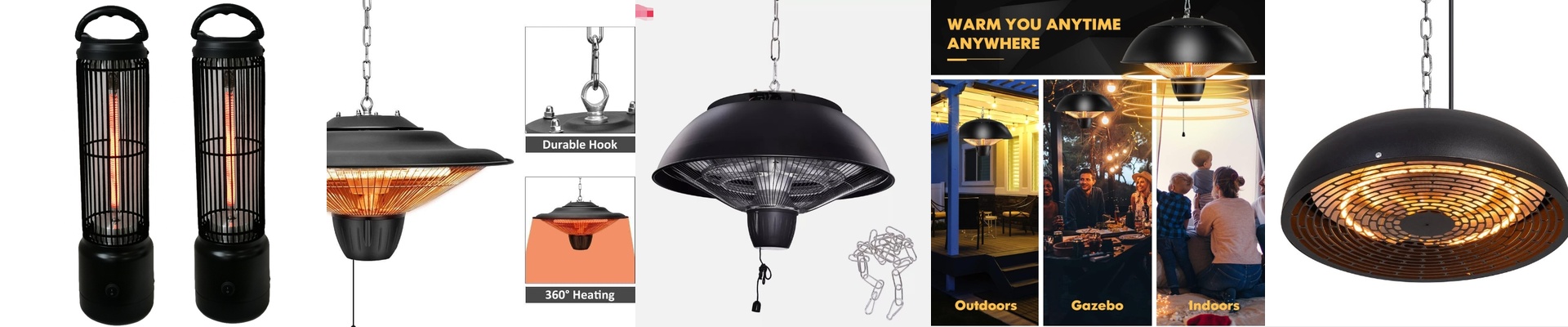
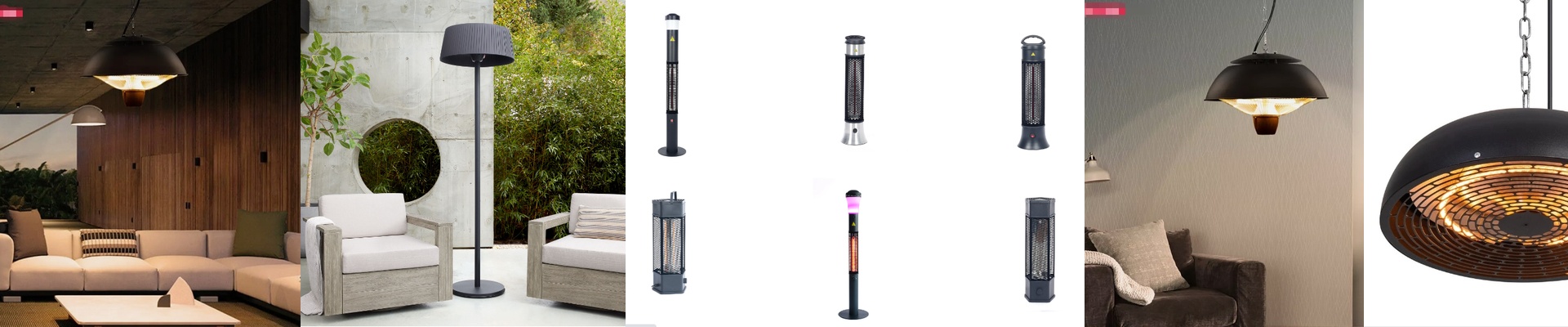
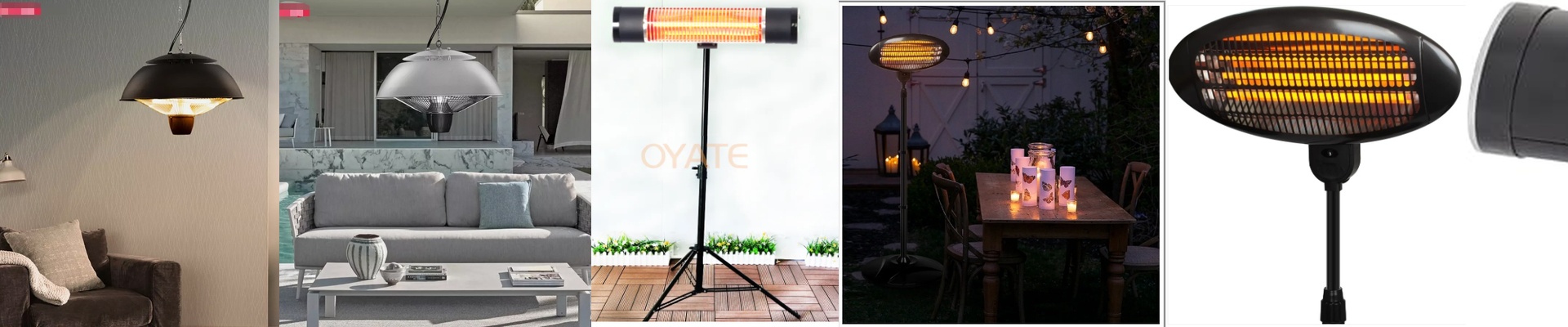
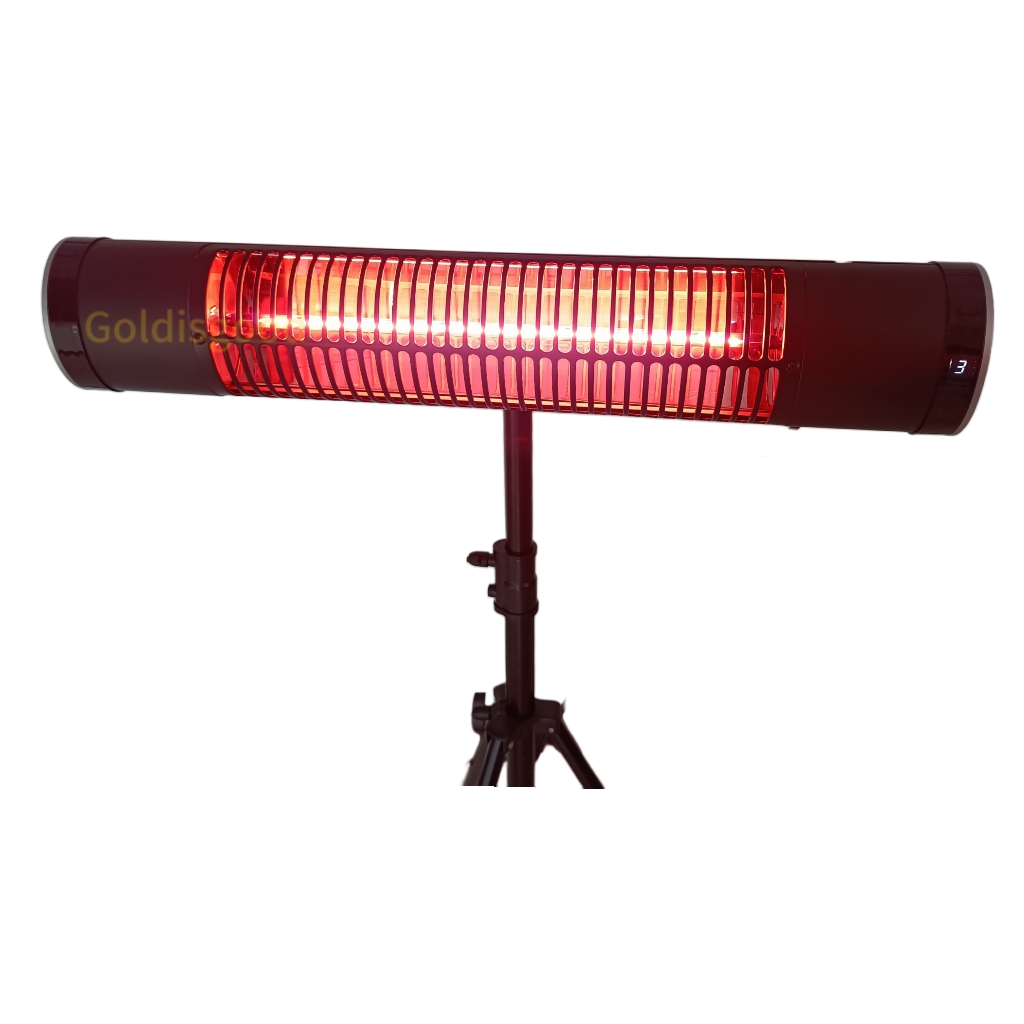
Most people think of a bathroom heater as something to keep you from shivering when you step out of the shower. But we look at it differently. For us, it’s more about managing moisture. When we built our IP65 infrared heater, we weren’t just trying to make the air feel warm. We wanted to use specific light waves to actually dry out the spots where mold loves to hang out.
How it actually works
We use something called short-wave infrared (SWIR). Here’s the thing: standard heaters just warm up the air. SWIR is different. It sinks into the surface of your walls and tiles, pushing the hidden moisture out of those porous materials. It basically targets water molecules and forces them to evaporate faster. If there’s no dampness, mold spores have nowhere to land. They can’t colonize. Simple as that.
Built for the steam
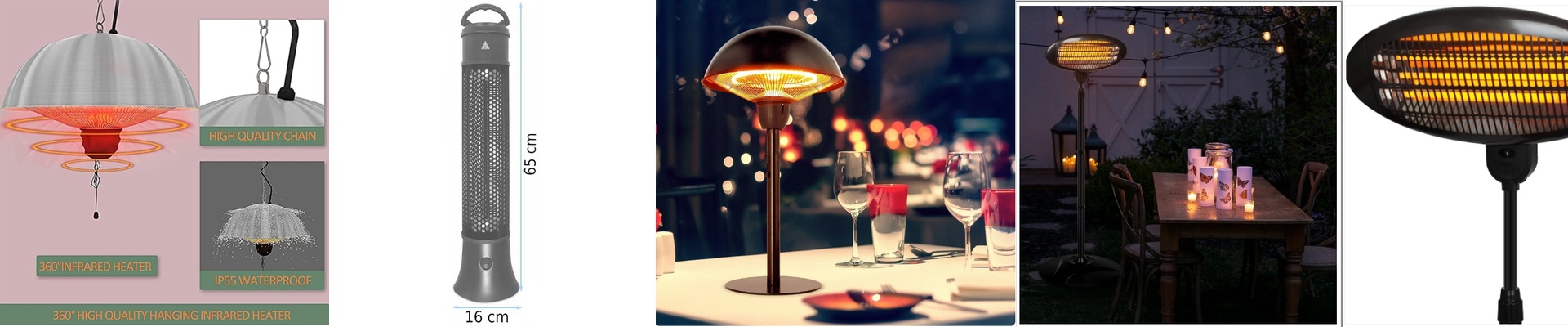
Steam is brutal on electronics. It gets everywhere. That’s why we made these units IP65 rated. In plain English? The housing is sealed tight against dust and can handle water jets. You can mount it right above your shower and not worry about a short circuit or a dangerous flicker. We also used high-density quartz tubes. This gives you heat the second you flip the switch. No waiting around for the room to “warm up.” That instant hit of heat is what really drives the drying process.
A quick heads-up on placement
Now, there is a catch. Infrared is very precise. It hits the floor and walls hard, but it doesn’t “fill” the room the way a clunky space heater does. If you have a bathroom with deep alcoves or weird blind spots, the mold in those dark corners won’t feel the heat. You have to be smart about where you put the lamp. If you just slap it on the ceiling without thinking, you might end up wasting power heating up your mirror while the damp corner stays wet. Map out your room first. It makes all the difference.