
Stop Waiting for Your Oven to Warm Up
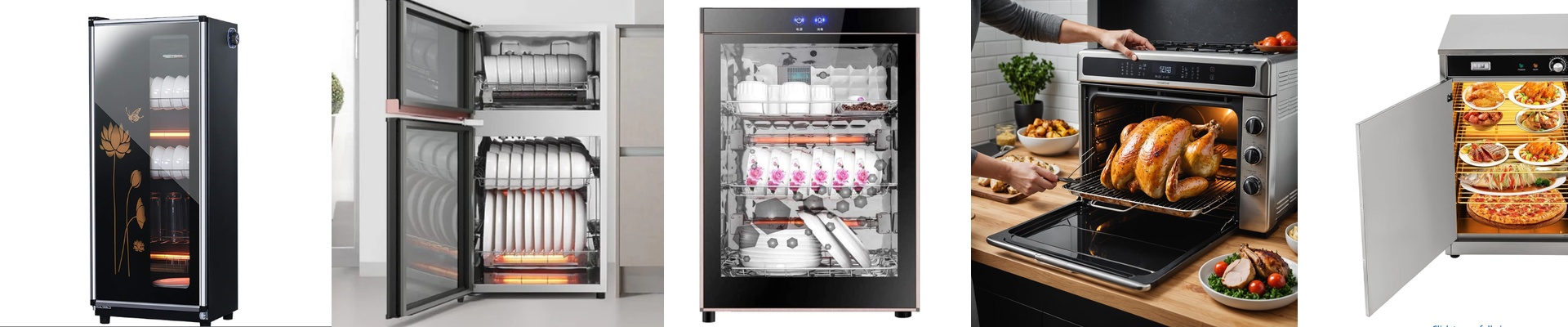
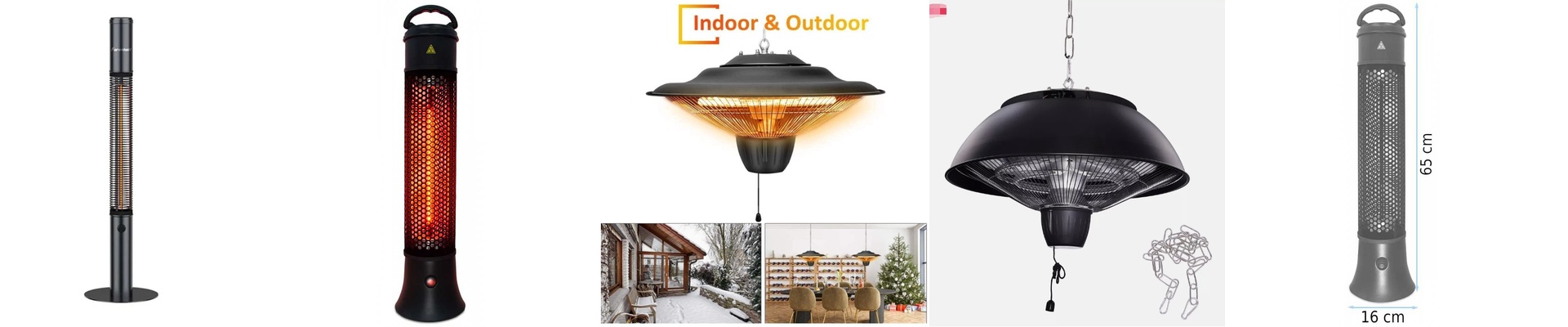
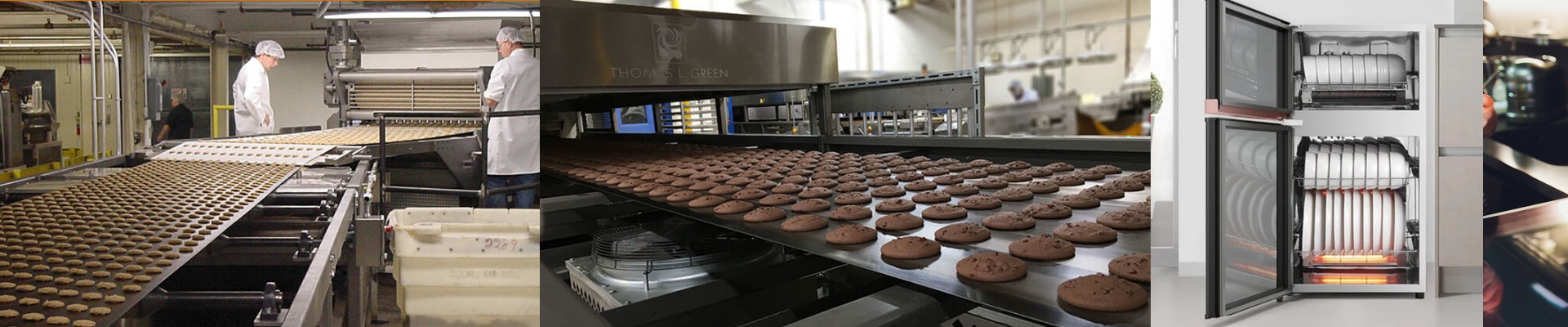
We’ve all been there. You’re ready to go, but you’re stuck staring at a convection oven that takes forever to hit the right temperature. The problem is that these ovens try to heat the air first, and air is just slow. We found a better way. We added infrared (IR) auxiliary heating tubes into the mix. Instead of waiting for the air to get hot, these tubes beam energy straight into your product using electromagnetic radiation. It’s a shortcut. And it works.
Getting the Heat Right
If you want to slash your preheat times, you need a lot of power packed into a small space. That’s why we use short-wave infrared radiation. It doesn’t just sit on the surface; it punches right through the material immediately. But here’s the trick: if you’re trying to speed up your production line, you can’t just crank the wattage. You have to balance that power against the length of the tube. If you don’t, you’ll end up with hot spots that ruin your work.
The Nitty-Gritty Stuff
We don’t use cheap glass here. We use high-purity quartz to hold the tungsten filament because it can handle the sudden, violent jumps in temperature without cracking. For the plugs, we stuck with R7s or SK15 bases. Why? Because they’re standard. You can just pop a new tube in without having to rip apart your wiring or rebuild the whole chassis. We even offer some tubes with special coatings. Depending on what you’re baking, these coatings tweak the heat spectrum so the material actually absorbs the energy instead of letting it bounce off.
A Few Things to Watch Out For
Look, IR heat isn’t a magic wand. It’s powerful, and that power comes with a few catches. Because the heat is so concentrated, these tubes can burn out quickly if your ventilation is trash. You’ve got to keep them cool. You also need a smart control system—something like a PID or SCR—to modulate the power. If you just plug these into a constant power source without a sensor loop, you’re going to scorch your product. It’ll happen fast. And one last thing: check your insulation. These tubes put out a lot of ambient heat during that initial rapid-start phase, and your cabinet needs to be able to handle it without overheating the rest of your shop.